

By Winona LaDuke
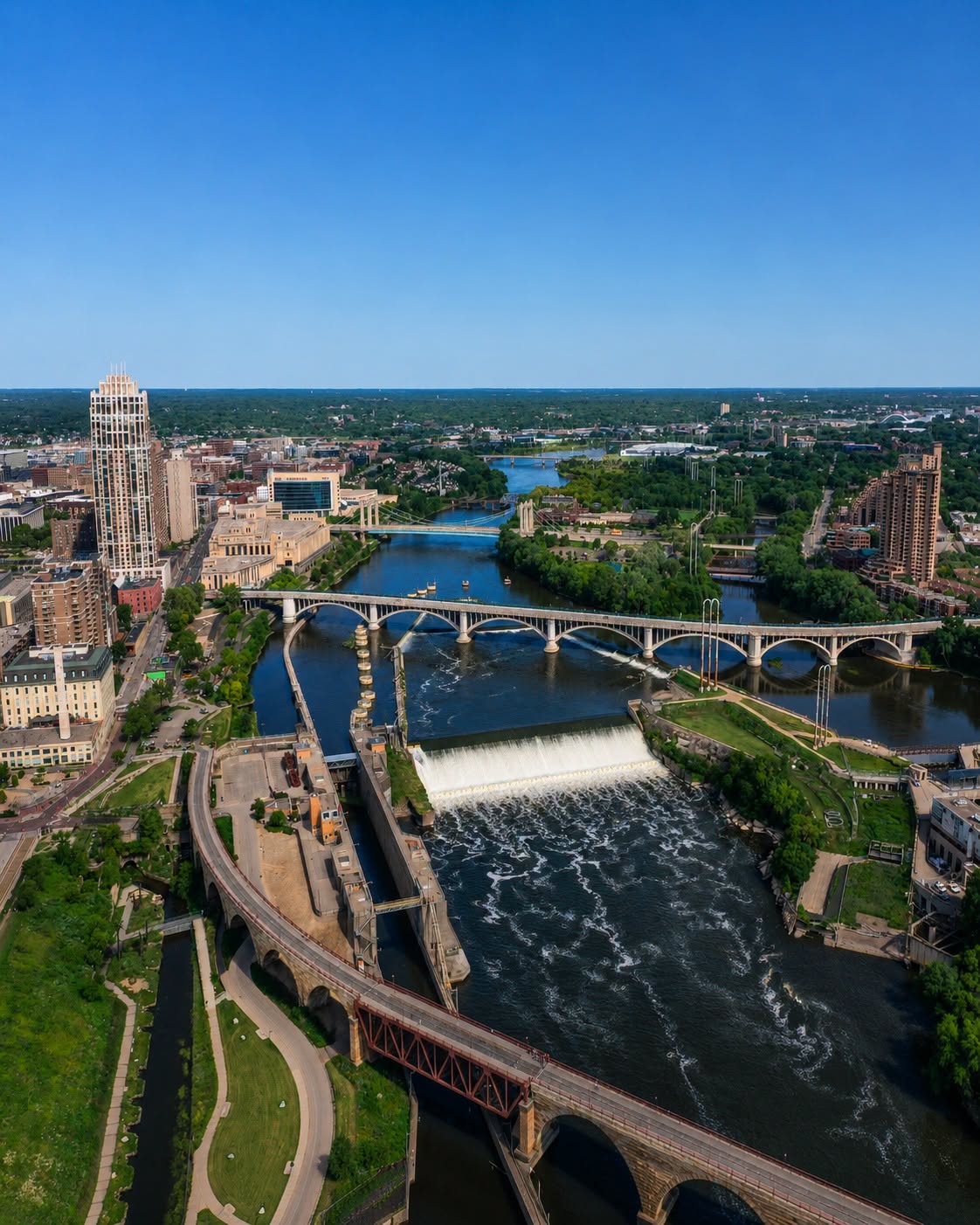
It was like that movie Back to the Future. I traveled to a meeting with White Earth Tribal representatives and 8th Fire Solar to meet with some energy industry professionals in Minneapolis at OATI (Open Access Technology International). OATI supplies software to manage the grid which moves electrical power around the country and around the world. We discussed renewable energy, the future, and how local communities’ utilities and rural cooperatives are moving towards the sun and the wind for the future of power.
After the meeting, I traveled back to the reservation in a Ford Lightning electric truck. I was in the back seat and two of my sons were in the front seat. That’s the future.
What is the future of energy? What do you want it to be? Pine Point village on White Earth decided it wanted to have a little more control over the costs and future of energy. This fall, Pine Point Elementary School, with l0 Power, 8th Fire Solar and Ziegler Energy, installed 480 kw of solar power for the school — that’s a school that is l00% electric and serves one of the poorest communities in Minnesota. Their electric bill is whopping! Scheduled to come online by January of 2026, the project could provide l00% of the school’s energy, and with battery backup power, that school will keep the power going till the grid comes back up after it goes down. What’s wrong with that?
For now, most of the power used by the school and the White Earth community has been coming from some dirty coal plants in North Dakota, which have been spewing nasty stuff towards Minnesota, and a few big dam projects in Manitoba, which are destroying that northern river. That’s where fish and migratory birds live. I’d like to move along.
On what my ancestors called the Scorched Path, these types of outdated power production will cause the bills to get bigger and the problems worse. For 100 years or so, economists and all have been saying Big is Best. But more power outages, long inefficient transmission lines and generation — which waste about 61% of the energy between point of origin and use — are not a very reliable future. That’s why we need local power.
The White Earth tribal officials from the Tribal Utilities Commission and tribal planners went to see OATI, sort of the gurus of electric grid management. Simply stated, utility power producers and transmission entities need to move power around, turn off and on switches, “manage loads” and such. Computers and smart people operate the “smart grid.”
With customers like Great River Energy, Ottertail Power, Xcel and others “OATI provides solutions for the operational challenges of energy providers in an industry that is constantly changing. Changes in technology, market demand, and regulations require utility companies to constantly adapt…” it says on their website. That’s the future. That’s being adaptable, or their words — having interoperability.
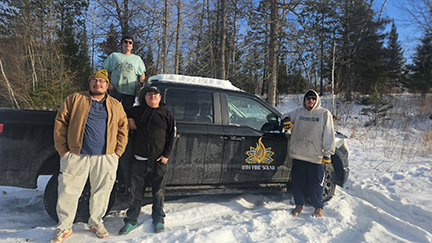
The White Earth tribal staff and community members from 8th Fire Solar and Akiing listened to these guys talk about the grids of the future. That future grid for them though is mostly renewable energy and distributed energy – and not all from centralized power plants. That’s local generation, wind in a farm field and community units called micro grids.
The writing is on the wall, and we all just need to read it. This fall, the Federal Energy Regulatory Council reported some 68% of the energy coming online in our region is solar, with wind and batteries pushing that higher. And the majority of what’s getting retired is coal. This region is called MISO (Midcontinent Independent System Operators), and MISO is changing.
Despite attempts by the Trump administration to change the course of history, keeping a 50-year-old plant that wastes lots of energy on life support doesn’t make any sense. It sure doesn’t make any sense for our communities. Why should we pay for monopolized fossil fuel industries, when we can each bask in the sun? And, by the way, solar is a third less expensive to put in than new coal, or some crazy mini-nuclear plants on the Missouri River to feed a data center.
Over there in OATI land, they had all sorts of charts and graphics, and what seemed clear is that the future is in these changes, and that most of the energy industry is embracing them. But what’s even better is the idea of using less energy. That’s what 8th Fire Solar is working on — reducing home heating bills by implementing simple solar thermal panels, installed on a south-facing wall. Heating bills using solar thermal can be reduced by up to 30% and considering that almost 40% of energy bills this time of year are heating, well that’s some significant savings.
As the longest night of the year comes upon us, the sun will return, and I want to be ready. Let’s all work together to make a good future. These rural cooperatives who serve us all can be part of making that future, and I think that these smart grid ideas and community-scaled projects are the power of the future.
Pine Point and OATI are talking about the future of energy, right along with 8th Fire Solar. And as I sat there in the back of that electric Ford Lightning, headed back to the reservation, I realized that I want to be part of that future.