
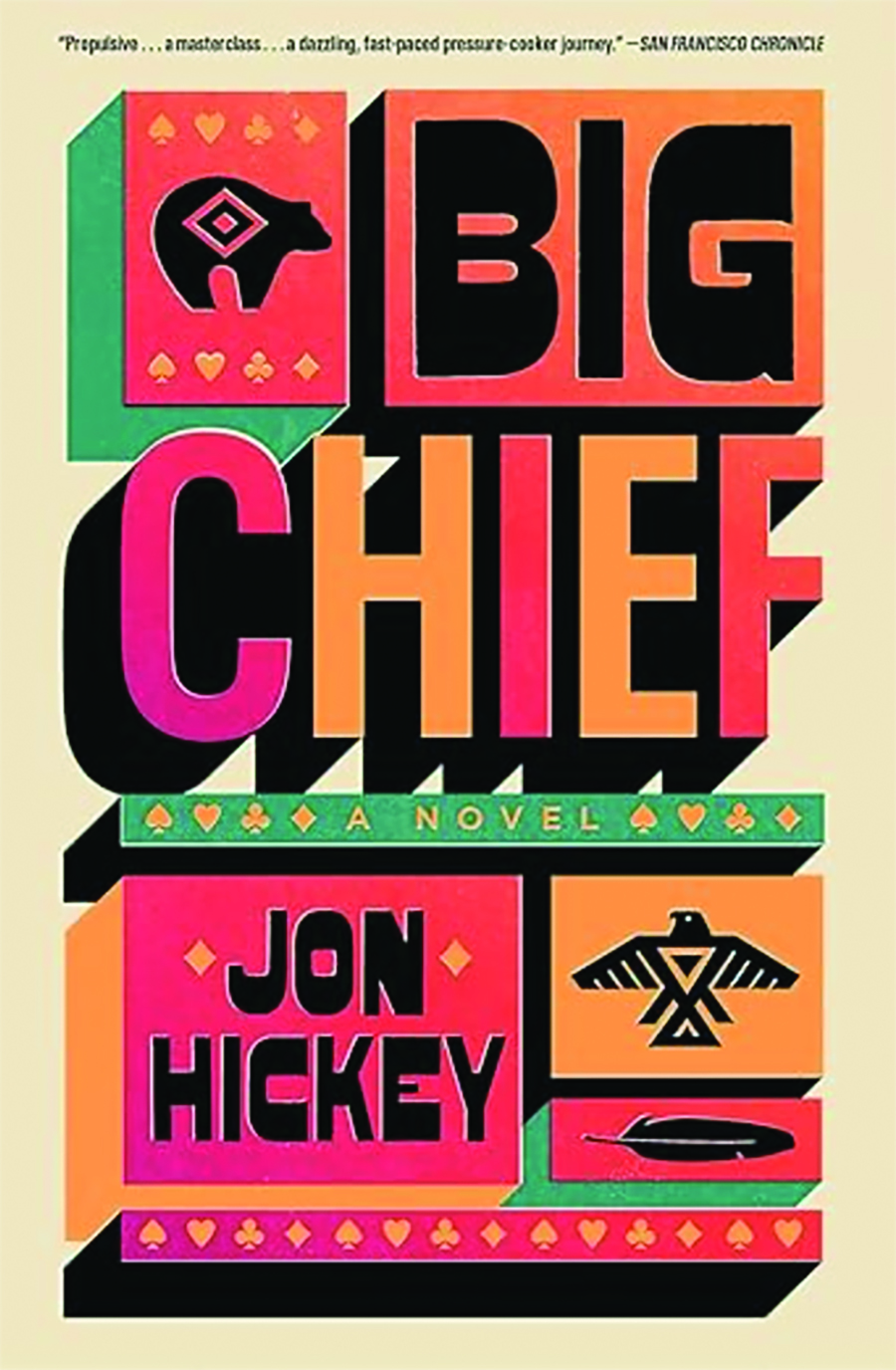
Review by Deborah Locke
Mitch Caddo, a tribal operations executive with a Wisconsin Ojibwe nation, is charged with ensuring that the tribal president, Mack Beck, wins his next election. The plot of “Big Chief” by Jon Hickey (Ojibwe) (Simon & Schuster 2025) evolves around that upcoming election and the corruption that ensues. Dirty politics reign, and they are all there: innuendo, social media manipulation, lies about tribal enrollment, reservation banishments, financial malfeasance, cruelty and finally, violence.
But the thread of most interest to me was Mitch Caddo’s ambiguous status among the members of the fictitious Passage Rouge Nation in Wisconsin. He’s enrolled, grew up on the rez and had a non-Indian mother, but lived away, and received a law degree from Cornell University. His family ties are tenuous, his relationship with his mother was fraught, he has few supporters, no family, and he’s just not sure who he is, why he’s there, and whose side he’s on.
Mitch’s job is to get the tribal president, Mack Beck, reelected by any means including spreading lies about the opponent’s enrollment status. The opposition team is also preoccupied with throwing up dirt at Mack but not as much. There are a lot of bad actors on the stage, and it’s tough at times to sympathize with any of the characters. The fight culminates in a large-scale band member takeover of a casino and an attempt on Mitch’s life.
Two thoughts outweighed others as I made my way through this excellent book. First, some of Hickey’s descriptions of rez political life ring true. Difficult decisions are made every day on tribal councils by people who genuinely wish to improve the lives of American Indians. However, like politics since the dawn of time, there are political operators who are in it for self-gratification, the abuse of power and greed. Mitch knows that Mack’s motives are far from pure, but he constantly pushes on to return Mack to office, even when it places him in danger.
That’s in part due to the history of the two men. Mack protected Mitch from bullies as they were growing up. Mack was the reservation Indian that Mitch wanted to be. Mitch says: “If only I had the ease and comfort of never having to doubt where I came from.” Hickey credibly establishes Mitch’s importance to the difficult tribal chief. Often Mitch is the only voice in the room speaking truth to power, but there’s a consequence for that. He often refers to the unease he feels at work or home, described often as “shivers.” But he also understands ways to wield his own power, and he enjoys that part of the job. “Instead of wishing away the poverty on this reservation, I make the decisions that keep people employed and fed,” Mitch says.
In addition to portraying political conflict that grows increasingly personal and frightening, the book also displays effective layering and structure, with the right amount of suspense. And humanity. Chapters are arranged under sections named for days of the week, bringing the reader closer to the fateful election when scores of Ojibwe showed up to show support for Mack’s opponent.
If all of the above sounds like a hodgepodge of fighting and nastiness, it is. Because democracy is often that hodgepodge — an odd state forced upon tribal nations who lived for centuries with their own working governments. Mitch makes this point in the book, the way the “tools” used by the tribe to “self-govern” were imposed by colonizers. The tools still don’t always work well.
A good size cast of characters races through the pages including a wealthy, powerful non-Indian with close ties to the band. The potential for romance between Mitch and another character is introduced vaguely but romance never blooms. Hickey does a nice job of portraying the reservation’s natural environment, especially during a blizzard in the dead of winter. It’s features like those, plus the overriding question of who wins the election, that will compel you to make time for this book. It’s thought provoking and well done.
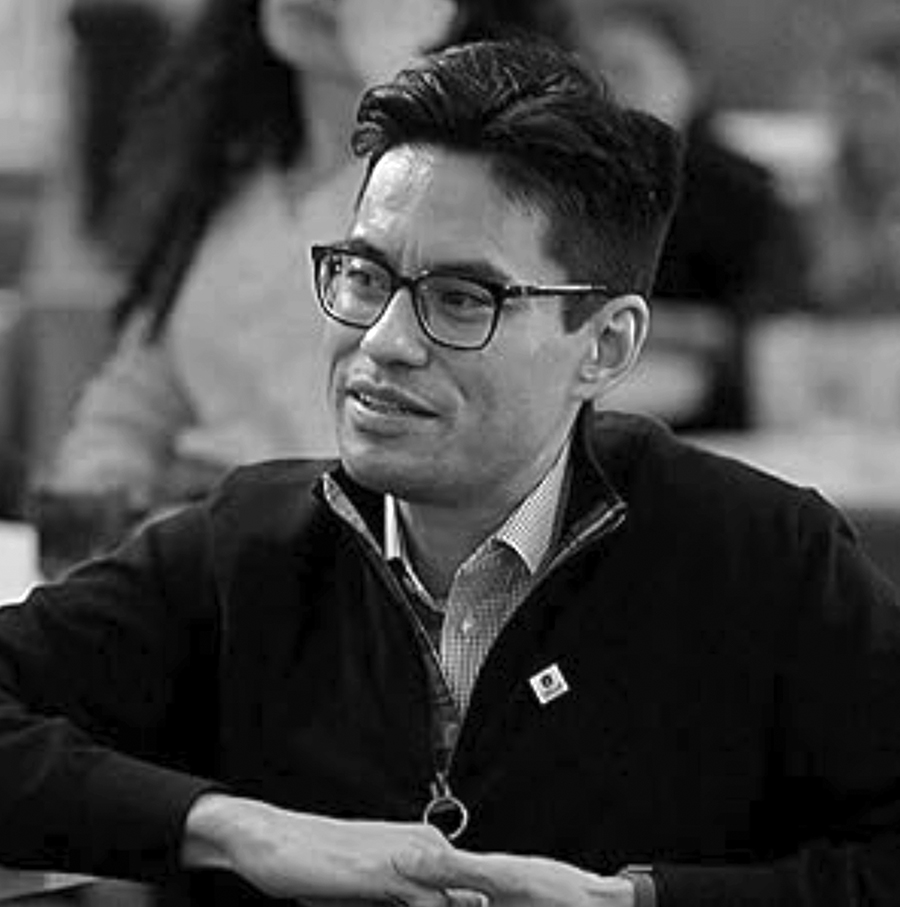
Hickey is an enrolled member of the Lac du Flambeau Band of Chippewa in Wisconsin. This is his first book