

By Dan Ninham
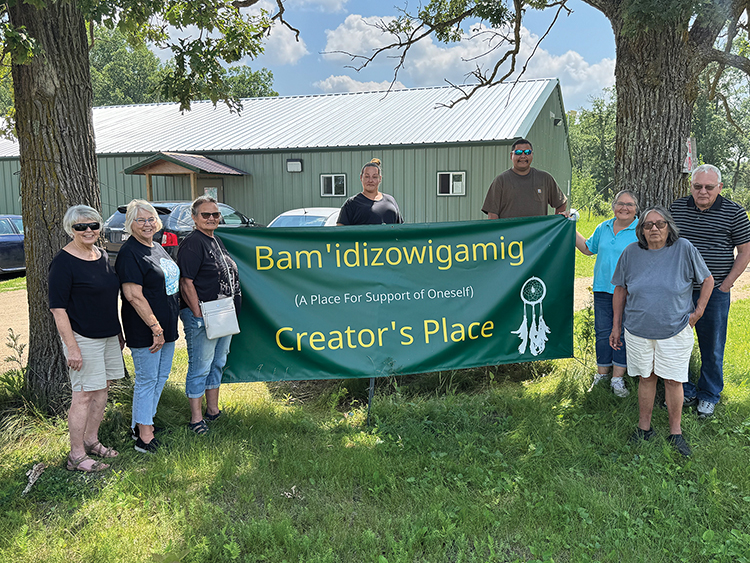
Bam’idizowigamig Creator’s Place was founded in 2021 in the tribal village of Pine Point, located a half mile north of Ponsford and both are on the southeastern corner of the White Earth Nation in northern Minnesota.
Jean Kruft has a few hats on as the founder, board chair and daily volunteer with the Bam’idizowigamig Creator’s Place. Her main hat would be a visionary. Kruft knew the community lacked employment opportunities so she used an inheritance to have a steel building built and started the economic social enterprise to provide training and meaningful work in creative, culturally rooted fields.
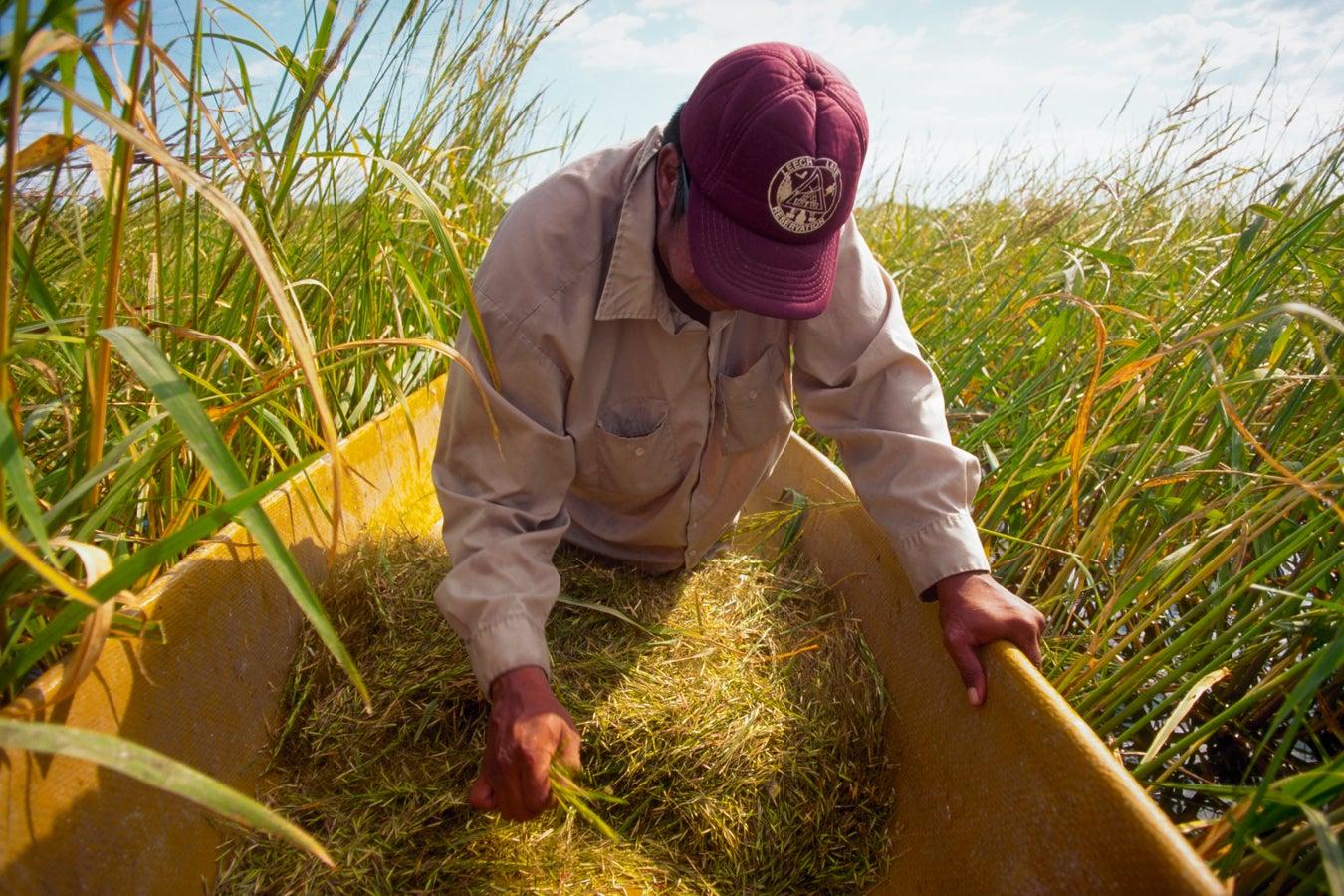
“What began as a handful of people making art and products together has grown into a nonprofit employing about 25 local residents, building skills in construction, beadwork, graphic design, book publishing, etched granite memorials, marketing, management and packaging of wild rice food mixes,” said Jean Kruft.
It is called Creator’s Place because it seemed obvious to Jean that as soon as she had the idea to build an employment center in Pine Point, she received an unexpected inheritance to do it. “So… Creator’s Place means it belongs to the Creator. Bam’idizowigamig means a house or place for supporting oneself,” said Kruft.
“Our mission is to create meaningful work and economic opportunities through building, art, design, and culture,” said Kruft. “We want our community members to not only earn wages but also build confidence, skills, and pride in producing items that reflect our heritage and creativity.”
The work contributes to cultural revitalization and community well-being.
“By producing Ojibwe children’s books, Indigenous-designed apparel, granite memorials, and wild rice soup kits, we are both preserving and sharing culture,” said Kruft. “Each product connects our youth and families to Ojibwe traditions while generating pride and hope.”
Research also plays in the creative processes to connect to Ojibwe ways.
“Research is essential,” said Kruft. “Artists often draw from oral traditions, elder knowledge, and community stories. For example, our books and illustrations are rooted in Ojibwe teachings, language, and historical storytelling. Many artists also study traditional designs, natural imagery, or archival sources to ensure cultural accuracy while adding their own creative voice.”
“I’ve worked at Creator’s Place for two and half years, doing various art from sculpture, drawings for gift cards, and t-shirt designs,” said Dayton Adams, Ojibwe. “I did my first comic last year and I have been doing it since.”
“It was Jean who requested that I do a traditional Ojibwe story in my style,” said Adams. “As far as I can tell, the Creation Story was never done in comic book form and we figured it would be a good idea for the community, especially for younger readers.”
“I then went into scripting and rough drafts before doing the final product, making sure everything stays in touch with the original story. Overall, the process was pretty lengthy,” added Adams.
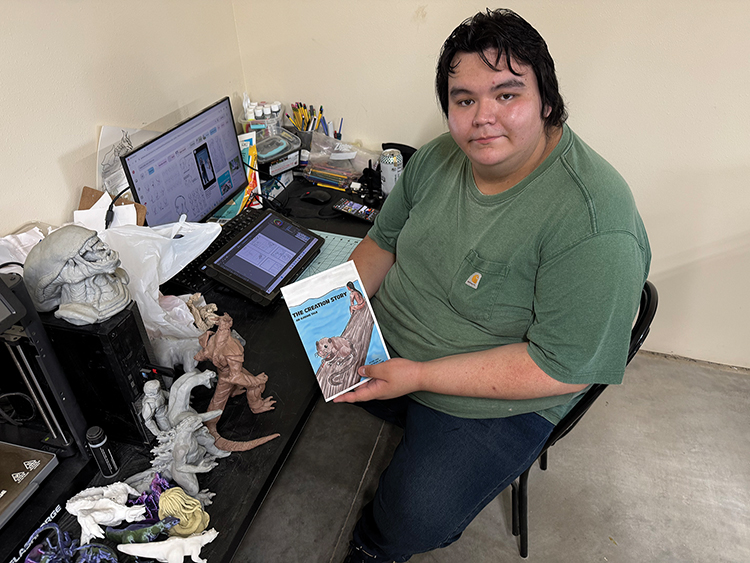
Adams continued to address the story details. He said, “Now the characters themselves are just like the ones heard in the original story. Nanaboozhoo, the Muskrat, Loon, et al. I tried to give them varied personalities, for example, how the Beaver and Loon are overly confident in their swimming but were quickly shot down by the water’s depth, and how the Squirrel made comical remarks in the background. The Muskrat was probably the most straight-forward to write, as I gave him a selfless and brave personality despite his size, mainly for the readers to empathize with the Muskrat’s heroism.”
“Nanaboozhoo himself more or less acted as the main character of the story, seeing events play out and such, acting as the reader’s viewpoint,” added Adams.
“Overall, I think it’s been a valuable learning experience and interesting endeavor to be able to make and market my own comics,” said Adams.
Jean Kruft and a dynamic board of director’s share empowered responsibilities to both the artists and the wider community.
“We see ourselves as bridge-builders—supporting individuals while uplifting the whole community,” said Kruft.
“We hope Creator’s Place will grow into a full-time employer for the community, with expanded food product lines, a strong publishing arm, and a regional reputation for high-quality Indigenous art,” said Kruft. “We want this endeavor to be totally operated and managed by local indigenous people.”
Jean Kruft continued to talk about the vision of the non-profit business on the reservation. She said, “Creator’s Place is more than a studio; it’s a community anchor. We’ve helped over 50 people gain work experience and skills since we started, and each success story builds hope. We’re also creating a replicable model for other rural and tribal communities facing similar challenges.”
“The White Earth Tribal Council has been totally supportive of this endeavor. They have arranged to have trainees wages reimbursed through the Maadadizi workforce Center through the Quest Program, and are also providing funds for ongoing employment for people who have exceeded the allowed training phase.”
“Our sales cover all supplies, materials, equipment and a portion of wages, but we are not yet self-sufficient. We have also been annually supported through a grant from the West Central Regional Foundation.”
People can visit the program in Pine Point, or they can connect online through their websites at:
• https://www.creatorsplace.org
• https://www.facebook.com/p/Pine-Point-Bamidizowigamig-Creators-Place-100088913816337