

No data was found

Celebrating 40 years of The Circle

Staff Reporter
Share :
Facebook
X
No data was found

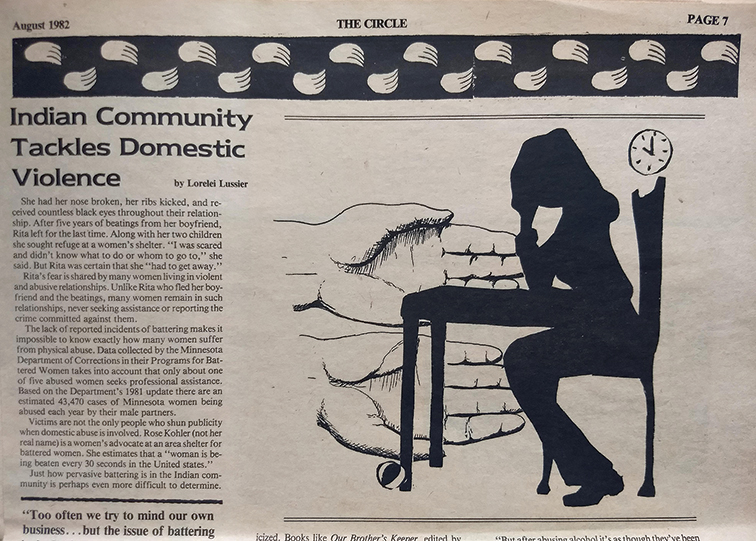
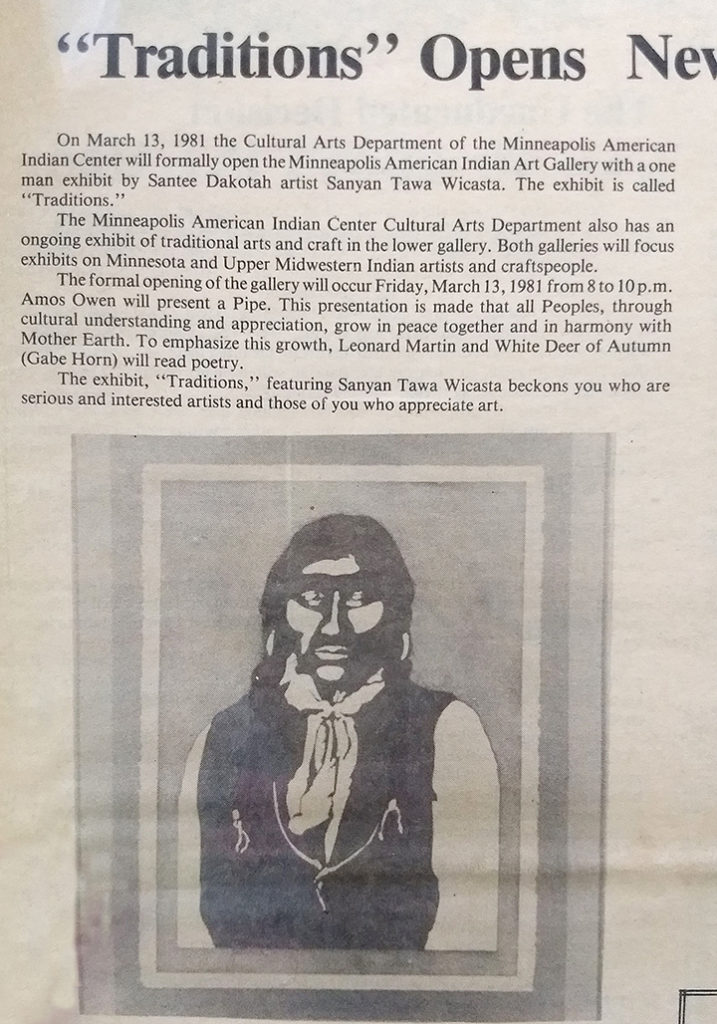
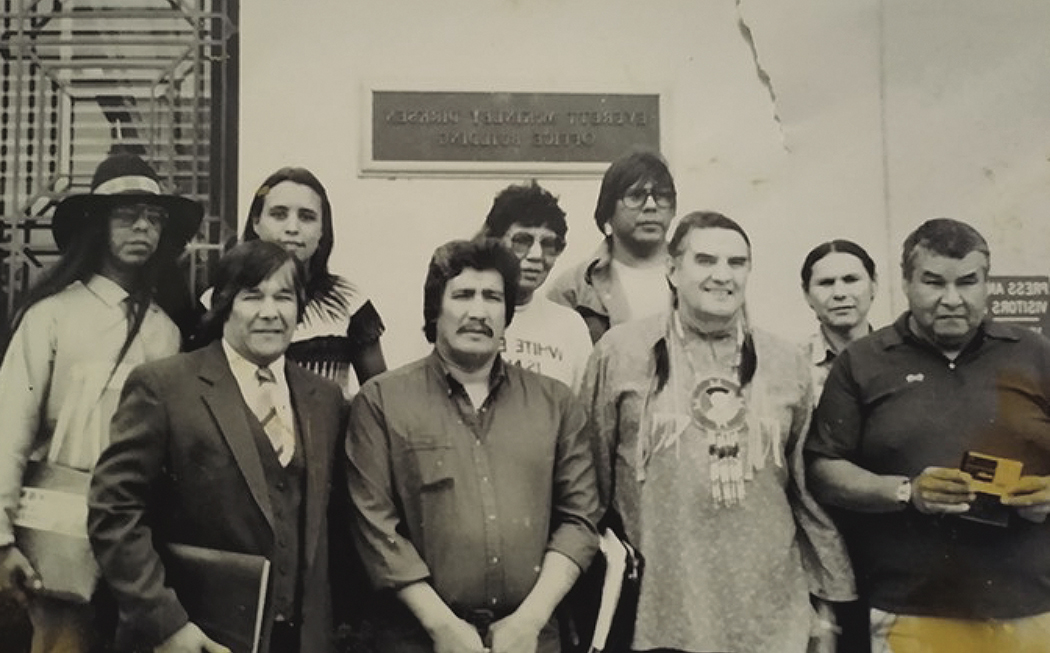
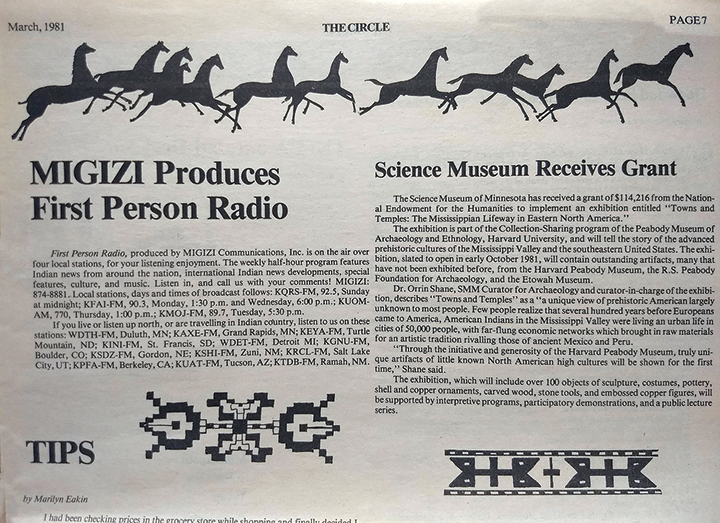
This year we will feature old articles, photos and pages from years gone by as we look back at 40 years of covering the Native community.

Facts about The Circle:

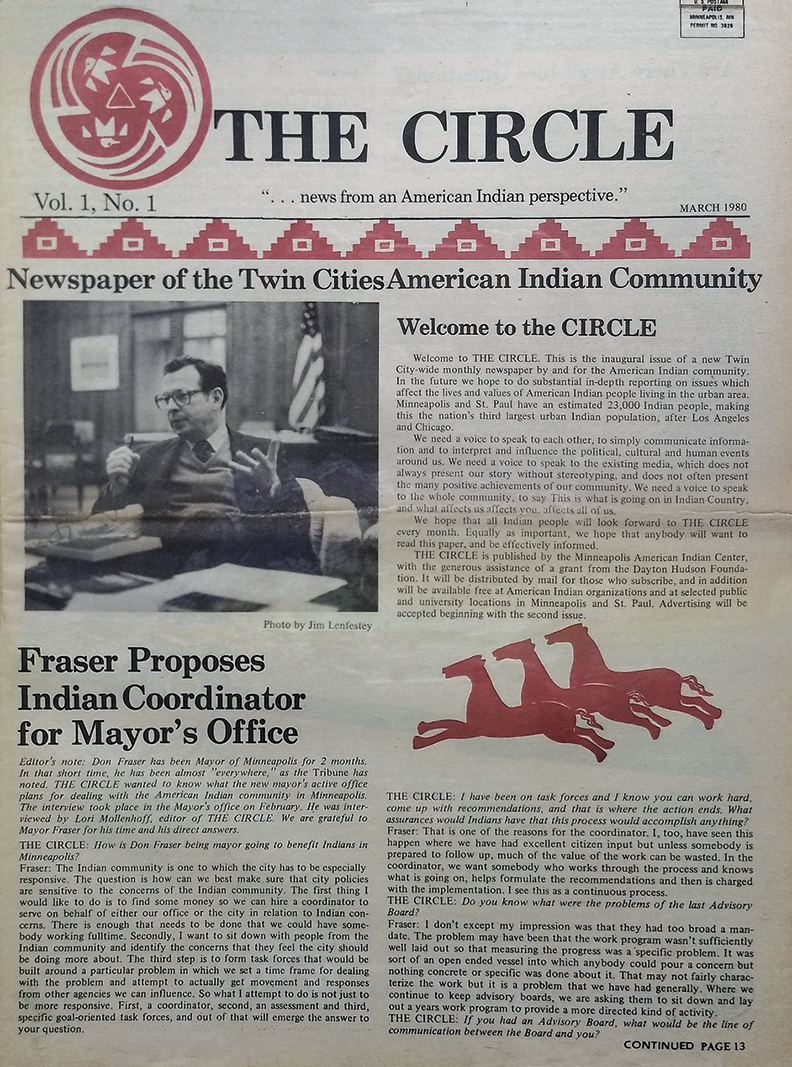
  • The Circle was originally an in-house newsletter of the Minneapolis American Indian Center (MAIC)
  • The Circle was started in 1980 by the Minneapolis American Indian Center.
  • A grant from the Dayton Hudson Foundation helped launch the paper.
  • The Circle’s first issue, Vol. 1, No. 1 was published March 1980.
  • The Circle used to published poetry, art, and other creative writing.
Staff Reporter,
Environment & Politics
Elaine Strongbow is a member of the Leech Lake Band of Ojibwe and has covered environmental and tribal sovereignty issues for The Circle since 2019. She is a graduate of the University of Minnesota School of Journalism and was a 2023 fellow of the Institute for Nonprofit News.

This reporting is made possible by readers like you.

The Circle is a nonprofit newsroom with no tribal affiliation, no corporate ownership, and no paywall. Independent Native journalism depends on reader support.

Recent Stories

More From History

Shagobay, A Great Chief of the Anishinaabe

By Winona LaDuke In celebration of this America’s President’s Day, I would like to offer a story of a great chief and leader of the Anishinaabe, Shagobay, who met U.S. presidents, negotiated treaties, and kept peace. Shagobay was considered a Manidoo (a spirit ), evidenced perhaps in part by his longevity. Born on the Knife River,  he […]

Land, treaties and the new round of Indian Wars

By Winona LaDuke The l867 treaty was intended to provide a secure homeland for the Anishinaabe people forever.  The treaty was signed by our leaders and by President Andrew Johnson. Agreements should be honored by nations. The treaty provides for many things; the 837,000 acres of land, maples, the wild rice, the 47 lakes, the […]

On language and legacy: Wakáŋ Tipi

By the Lower Phalen Creek Project The first European known to have visited the area known to the Dakota as Imnižaska, or Saint Paul, was Jonathan Carver. In his journals from 1766-1767, Carver details encountering the place we know as Wakan Tipi when he writes about a “great stone cave called Waukon Teebee” by the […]

No data was found

Search The Circle

Find stories, columns, events, and magazine features.