
No data was found

DOI Solicits Nominations for Secretary’s Tribal Advisory Comm.

Staff Reporter
Share :
Facebook
X
No data was found

In remarks at the National Congress of American Indians 2022 Executive Council Winter Session in February, Secretary of the Interior Deb Haaland announced that the Department is requesting nominations for Tribal member representatives for the new Secretary’s Tribal Advisory Committee (STAC).

The STAC, which was announced as part of the 2021 White House Tribal Nations Summit, will ensure Tribal leaders have direct and consistent contact and communication with the current and future Department officials to facilitate robust discussions on intergovernmental responsibilities, exchange views, share information and provide advice and recommendations regarding Departmental programs and funding that impact Tribal nations.

“Tribes deserve a seat at the decision-making table before policies are made that impact their communities. The creation of this new Advisory Committee is a timely and much-needed development that will ensure Tribal leaders can engage at the highest levels of the Department on the issues that matter most to their people,” said Secretary Haaland. “I encourage Tribal leaders to submit their nominations to ensure we have the best representation possible as we begin this new chapter of Tribal engagement at the Department.”

The STAC will be composed of a Tribal member representative from each of the 12 Bureau of Indian Affairs Regions, and one alternate member. The members will be appointed on a staggered term for up to two years. The Secretary, in consultation with the Assistant Secretary for Indian Affairs, will designate one member of the STAC to serve as chairperson.

Members should be an elected or designated Tribal official who is qualified to represent the views of the Tribes in the respective BIA Region for which they are being nominated.
The names of each nominated STAC member and alternate must be submitted to the Office of Intergovernmental and External Affairs via e-mail to oiea@ios.doi.gov in an official letter from the Tribe by Monday, May 9, 2022, at 11:59 p.m. ET.

For more info, see their website at: https://www.hhs.gov/about/agencies/iea/tribal-affairs/about-stac/index.html


Staff Reporter,
Environment & Politics
Elaine Strongbow is a member of the Leech Lake Band of Ojibwe and has covered environmental and tribal sovereignty issues for The Circle since 2019. She is a graduate of the University of Minnesota School of Journalism and was a 2023 fellow of the Institute for Nonprofit News.

This reporting is made possible by readers like you.

The Circle is a nonprofit newsroom with no tribal affiliation, no corporate ownership, and no paywall. Independent Native journalism depends on reader support.

Advertisement

RWRE-Battery-Digital_1000x2110

Recent Stories

Advertisement

RWRE-Battery-Digital_1000x2110

More From News

Senator-Elect Peggy Flanagan Makes History, Outlines Priorities for Native Communities

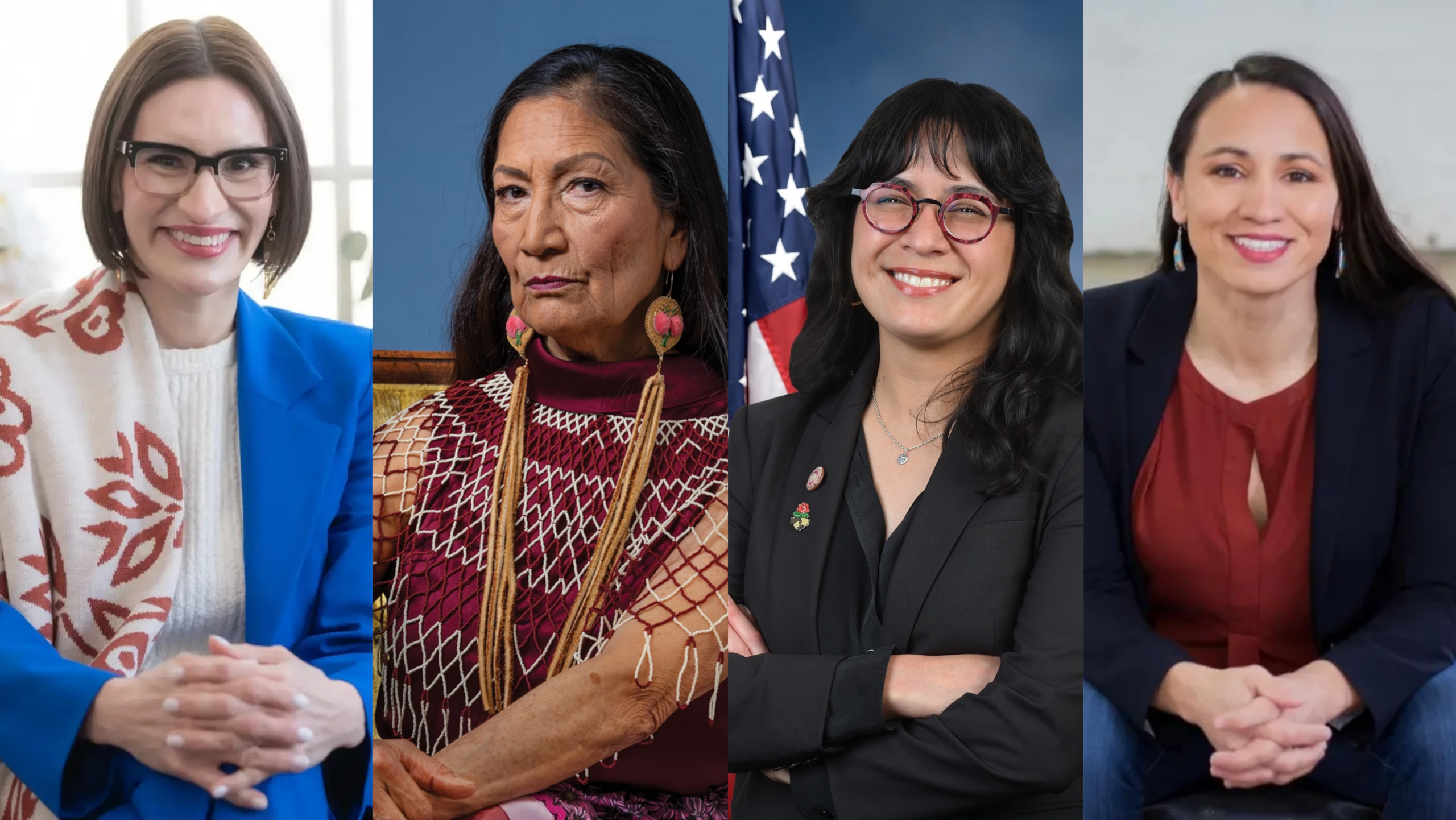
Following her historic election as the first Native American woman elected to the United States Senate, Minnesota Senator-elect Peggy Flanagan spoke with Native journalists about her victory, legislative priorities, and the importance of Indigenous representation in government. Flanagan, a citizen of the White Earth Nation, hosted a press call for Native reporters and Native-led media […]

Minnesota Regulators Approve Pipestone Pipeline Reroute Despite Tribal Opposition

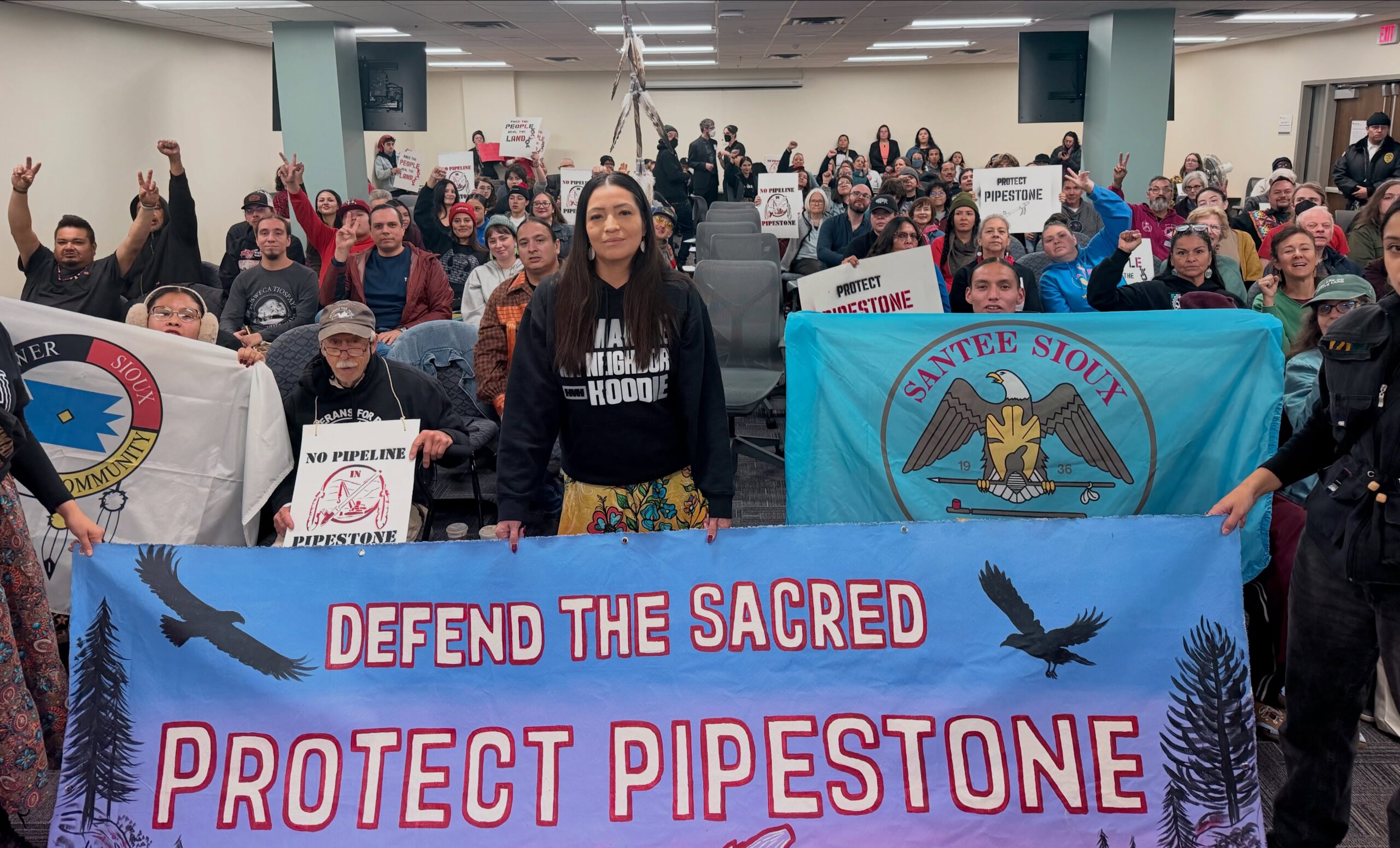
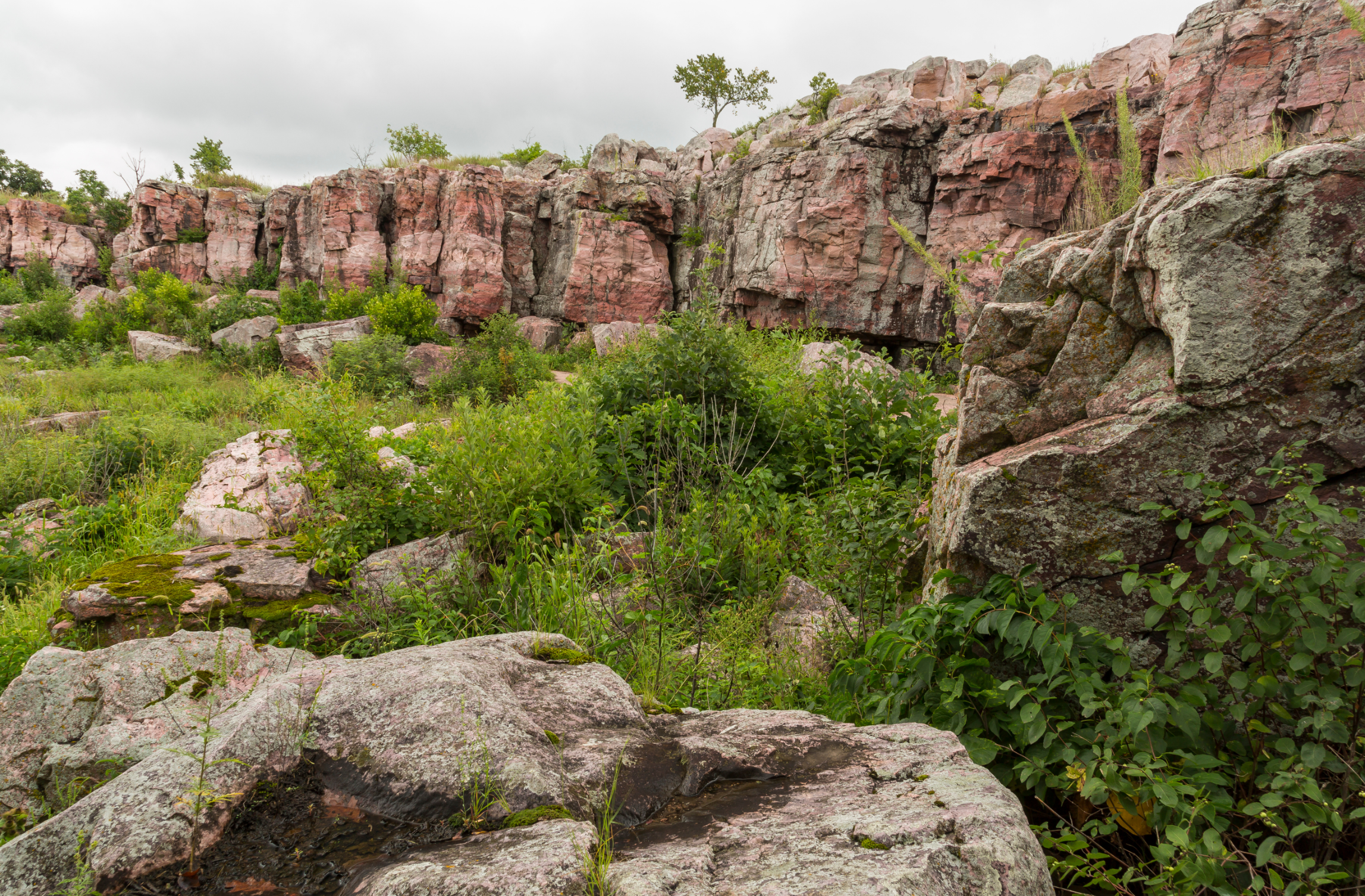
ST. PAUL, Minn. — The Minnesota Public Utilities Commission (PUC) voted 4-1 on November 5th to approve a conditional route permit for a petroleum pipeline reroute near Pipestone National Monument in southwestern Minnesota, despite opposition from Tribal Nations and Indigenous land protectors. The decision allows Magellan Pipeline Company, owned by ONEOK, to move a portion […]

What Is Section 106 and Why Does It Matter for Tribal Nations?

Before a federally funded or permitted project moves forward, who gets a say in whether it could damage historic places? Section 106 of the National Historic Preservation Act of 1966 allows Tribal Nations, preservation officials, and the public to help answer that question. It requires federal agencies to consider how their projects could affect historic […]

No data was found

Search The Circle

Find stories, columns, events, and magazine features.

Help The Circle Recover & Preserve Native History

FIRE RECOVERY & ARCHIVE PRESERVATION FUND

A recent fire at the building housing The Circle’s office has created unexpected challenges for our independent Native newspaper.

Thankfully, with the help of community members, we were able to recover our newspaper archives dating back to the 1980s. These irreplaceable records preserve decades of Native community history, cultural knowledge, and stories.

Your donation will help The Circle recover from the fire, protect our historical archives, and continue sharing Native voices for generations to come.

Every contribution makes a difference.

Pinagigi — Thank you for helping preserve generations of Native stories.