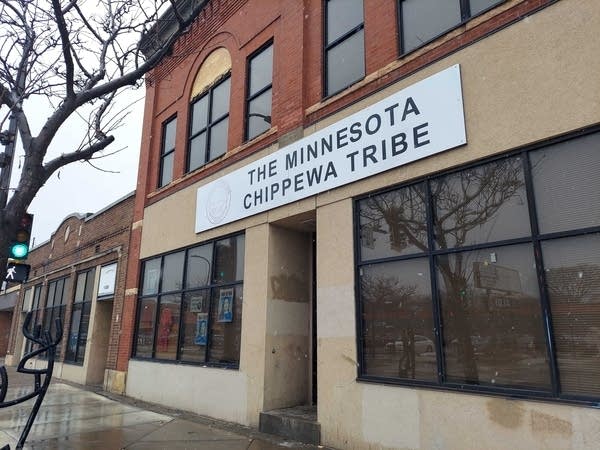
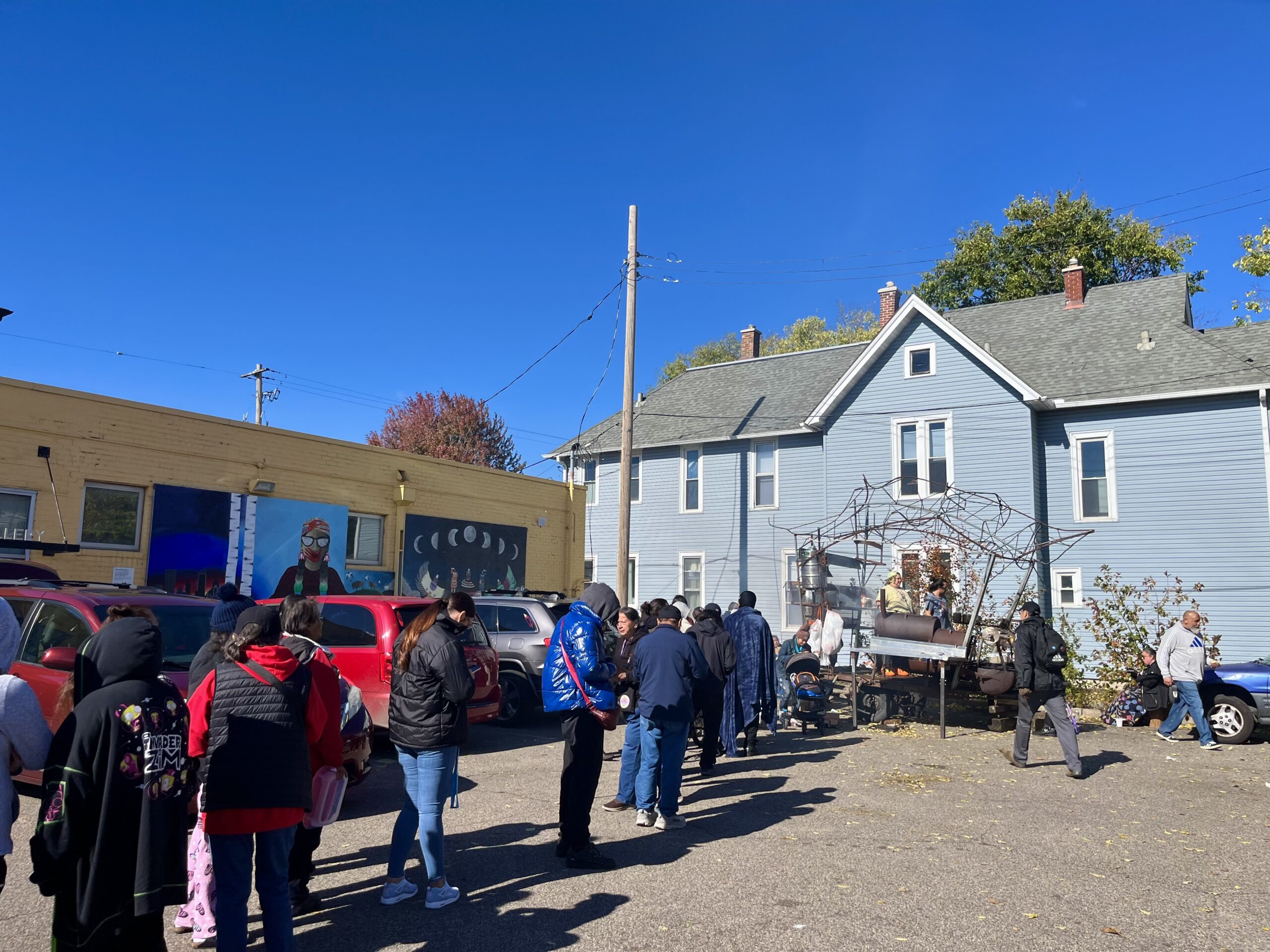
MINNEAPOLIS — After the devastating fire at the Minnesota Chippewa Tribe (MCT) building on Franklin Avenue, local Native organizations, staff, and volunteers came together on Friday, October 16th, for an Intertribal Community Feast, turning a difficult week into an opportunity for generosity, connection, and community support.
The fire, which broke out Sunday, October 11th, affected several Native organizations and tribal offices housed in the building, including the Fond du Lac and Bois Forte urban offices, The Circle, and Wicoie Nandagikendan, an early childhood Indigenous language immersion program that provides Dakota and Ojibwe language education.
As organizations assessed damage, recovered belongings, and determined next steps, another concern emerged: what to do with the traditionally processed foods stored in the building’s freezers.
Wicoie Nandagikendan also leads Our Sacred Foods Project, a community food sovereignty initiative focused on preserving traditional Indigenous foods and cooking practices. After the fire, the organization shared information about the upcoming Intertribal Community Feast on social media, explaining that they would prepare and share traditional foods stored in the building’s freezers with the community rather than letting them go to waste.
Community members and staff worked together to salvage, prepare, and distribute the food, embracing the event’s message: “No one turned away, nothing goes to waste.”
The menu featured traditional foods, including bison, venison, lamb, turkey, walleye, and an assortment of side dishes.
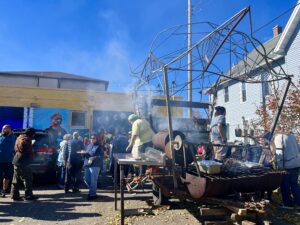
The Native American Community Development Institute (NACDI) provided space in its parking lot for the gathering. Bob Rice, owner of Pow Wow Grounds and the Frybread Factory food truck, helped prepare meals and generously let staff and volunteers use his food truck to cook more food.
Staff from the Tiwahe Foundation also volunteered, helping serve meals to community members throughout the event.
Organizers estimated that several hundred people were served, including unhoused individuals in the surrounding area. Attendees were encouraged to bring containers to take home extra food, helping ensure as much as possible was shared rather than discarded.
For the Franklin Avenue Native community, the gathering provided a much-needed bright spot during an otherwise devastating week. While the fire left organizations facing uncertainty, damaged workspaces, and disrupted services, the feast gave people a chance to reconnect, share a meal, and support one another.
What began as an effort to prevent traditional foods from going to waste became a demonstration of community resilience, generosity, and the importance of looking out for one another during difficult times.