No data was found

Lake Superior island returned to Grand Portage tribe

Share :
Facebook
X
No data was found

BY MPR NEWS STAFF

An island at the tip of north-eastern Minnesota has been returned to the Grand Portage Band of Lake Superior Band of Ojibwe.

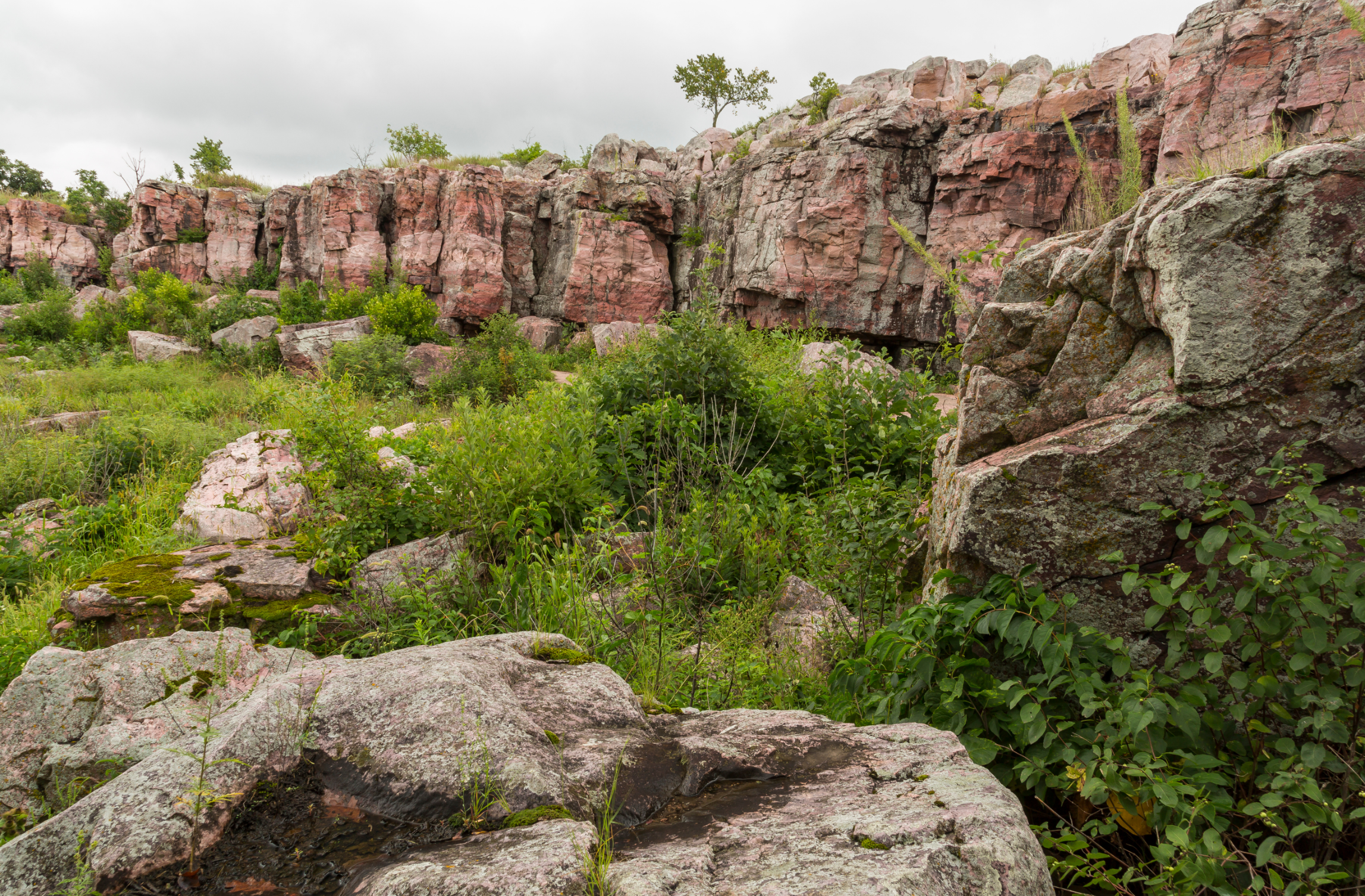
The 142-acre Susie Island is the largest of 13 small and rocky islands in Lake Superior, just before the Canadian border. The islands are home to some of Minnesota’s rarest plant life.

April McCormick is a member of the Grand Portage Band and worked closely with the Nature Conservancy to bring the island back under the tribe’s control.

The Grand Portage Reservation was established by the 1854 Treaty of LaPointe. A large portion of land on the eastern side of Mount Josephine extending out to Pigeon Point was left out when the boundaries were drawn. Tribal leadership pushed for many years to reestablish this area as part of the reservation, McCormick said in a conversation with MPR’s Cathy Wurzer.

A 1982 proclamation made this north eastern point part of the Grand Portage Reservation, but portions –including Susie Island – were acquired by private land owners. Between 1973 and 1991, the Nature Conservancy worked to buy back the entirety of Susie Island from multiple land owners, preventing any commercial development there, McCormick said.

Now under band control, human influence on the island will be kept to a minimum in order to protect areas of cultural significance as well as the natural environment.

Minnesota Public Radio News can be heard on MPR’s statewide radio network or online.

This reporting is made possible by readers like you.

The Circle is a nonprofit newsroom with no tribal affiliation, no corporate ownership, and no paywall. Independent Native journalism depends on reader support.

Advertisement

RWRE-Battery-Digital_1000x2110

Recent Stories

Advertisement

RWRE-Battery-Digital_1000x2110

More From News

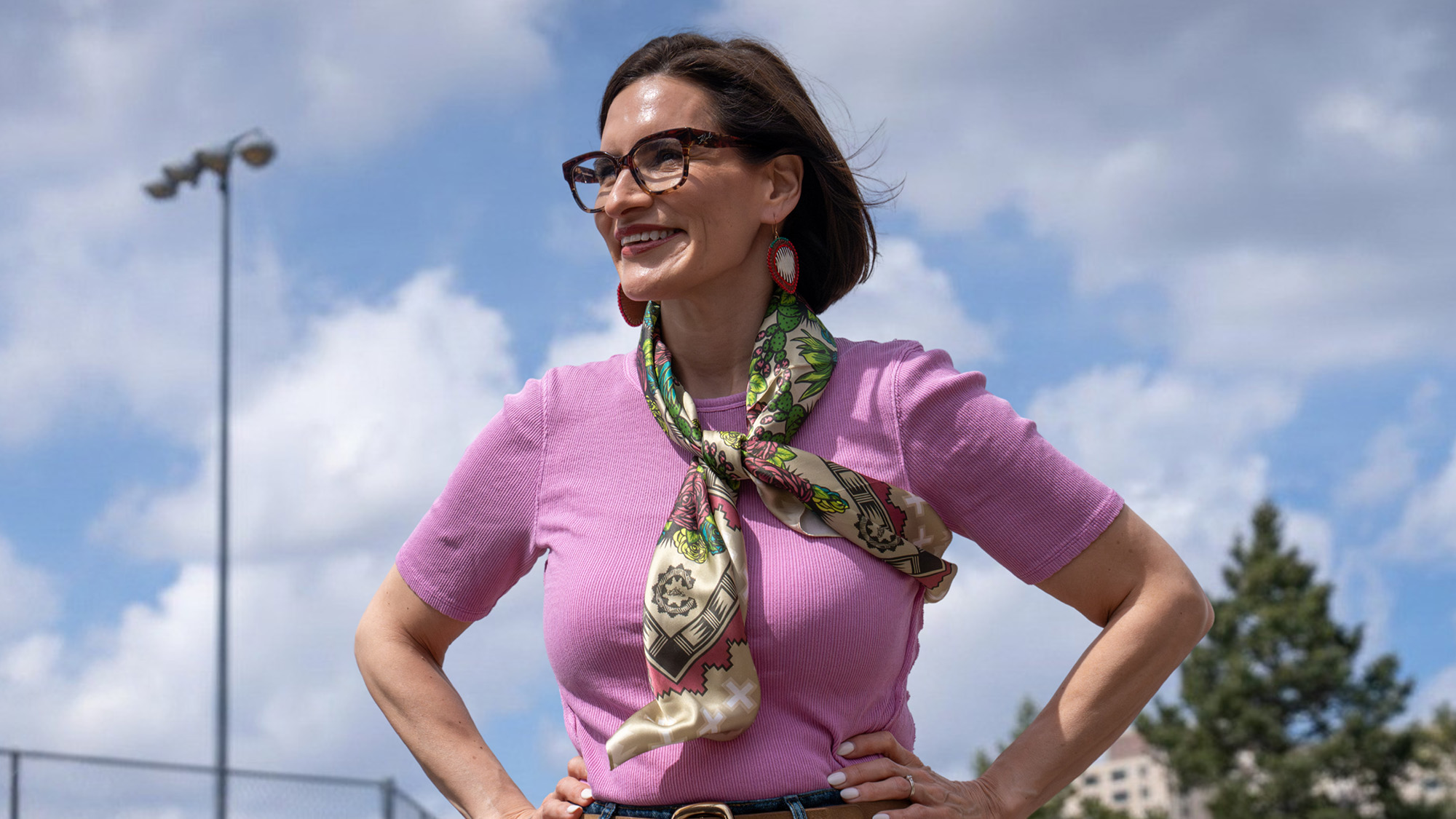
Senator-Elect Peggy Flanagan Makes History, Outlines Priorities for Native Communities

Following her historic election as the first Native American woman elected to the United States Senate, Minnesota Senator-elect Peggy Flanagan spoke with Native journalists about her victory, legislative priorities, and the importance of Indigenous representation in government. Flanagan, a citizen of the White Earth Nation, hosted a press call for Native reporters and Native-led media […]

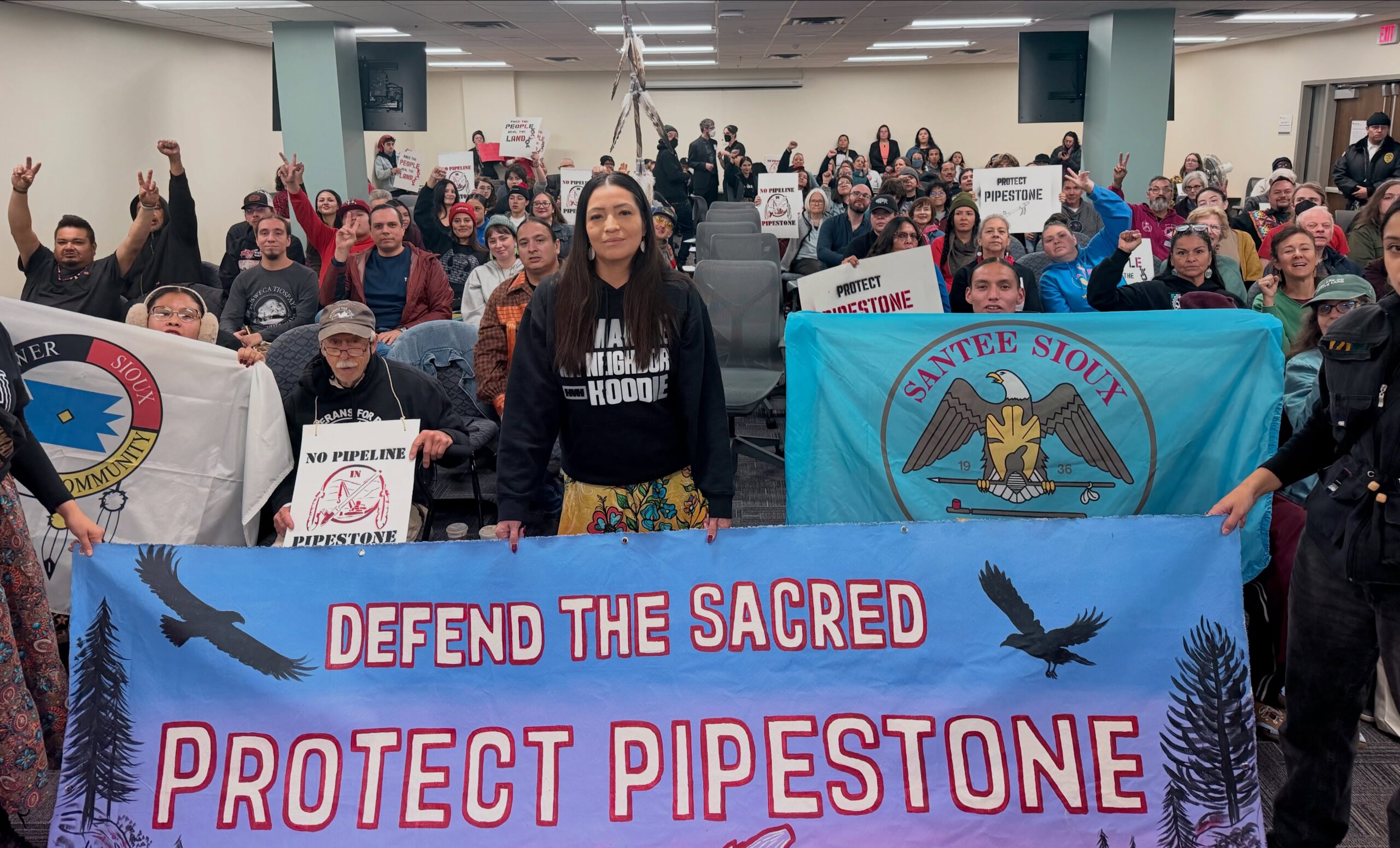
Minnesota Regulators Approve Pipestone Pipeline Reroute Despite Tribal Opposition

ST. PAUL, Minn. — The Minnesota Public Utilities Commission (PUC) voted 4-1 on November 5th to approve a conditional route permit for a petroleum pipeline reroute near Pipestone National Monument in southwestern Minnesota, despite opposition from Tribal Nations and Indigenous land protectors. The decision allows Magellan Pipeline Company, owned by ONEOK, to move a portion […]

What Is Section 106 and Why Does It Matter for Tribal Nations?

Before a federally funded or permitted project moves forward, who gets a say in whether it could damage historic places? Section 106 of the National Historic Preservation Act of 1966 allows Tribal Nations, preservation officials, and the public to help answer that question. It requires federal agencies to consider how their projects could affect historic […]

No data was found

Search The Circle

Find stories, columns, events, and magazine features.

Help The Circle Recover & Preserve Native History

FIRE RECOVERY & ARCHIVE PRESERVATION FUND

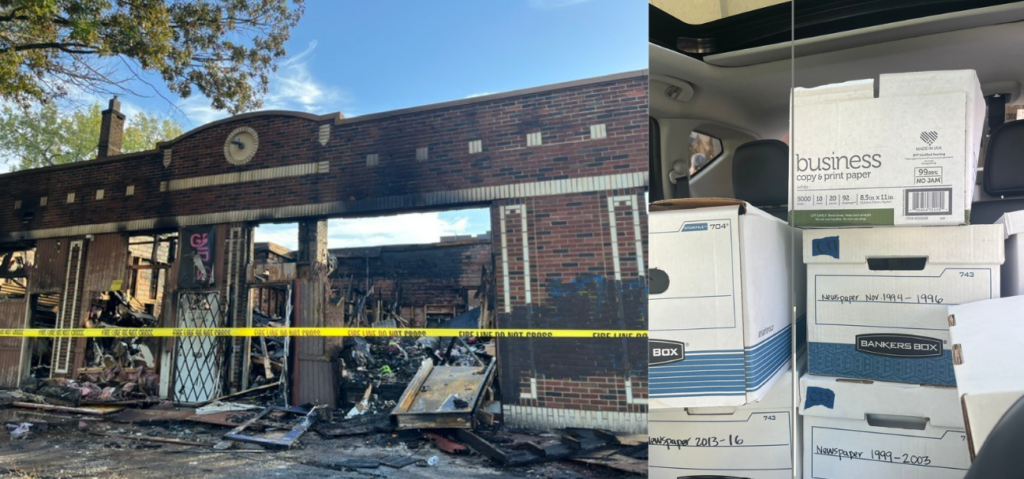
A recent fire at the building housing The Circle’s office has created unexpected challenges for our independent Native newspaper.

Thankfully, with the help of community members, we were able to recover our newspaper archives dating back to the 1980s. These irreplaceable records preserve decades of Native community history, cultural knowledge, and stories.

Your donation will help The Circle recover from the fire, protect our historical archives, and continue sharing Native voices for generations to come.

Every contribution makes a difference.

Pinagigi — Thank you for helping preserve generations of Native stories.