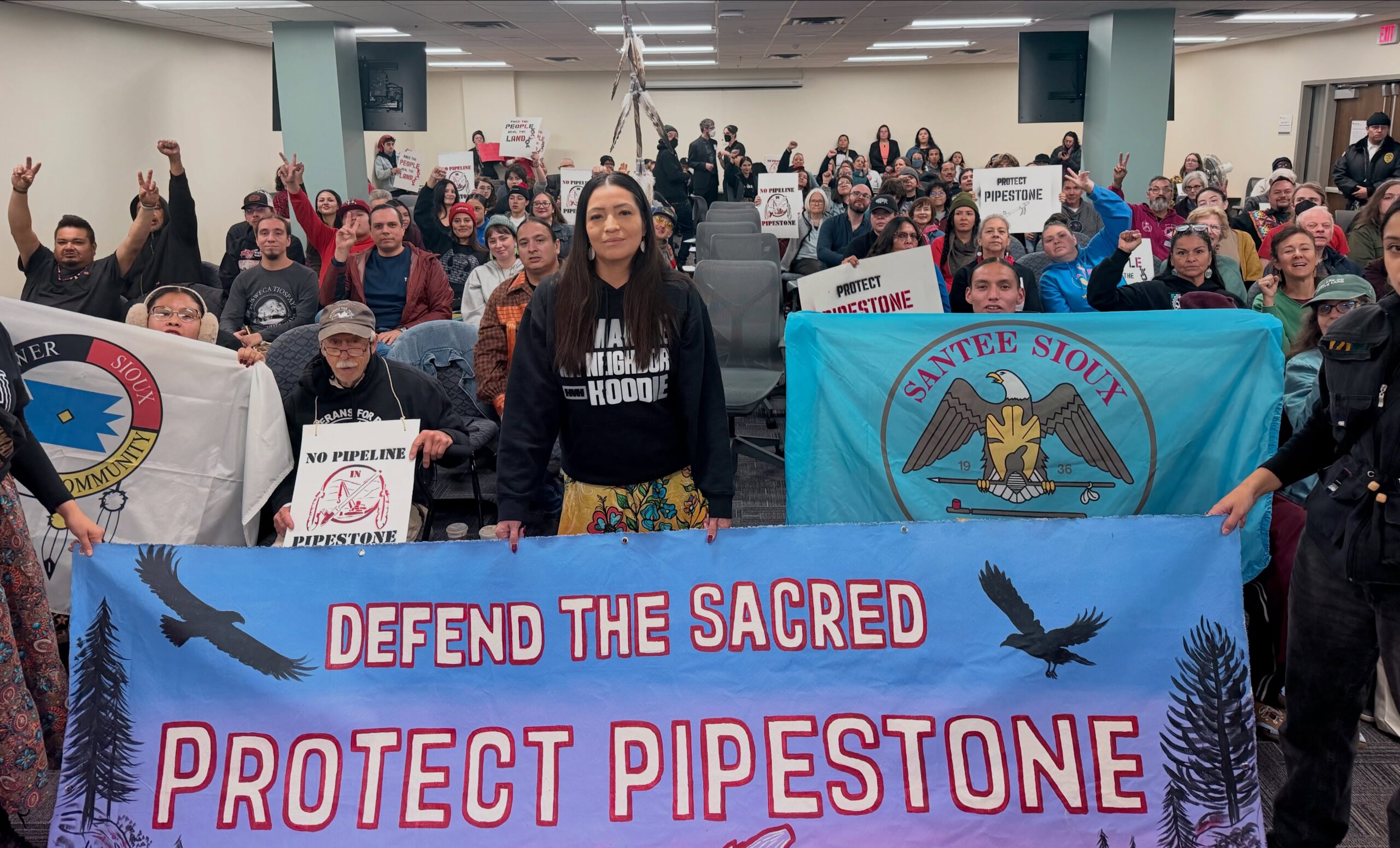
ST. PAUL, Minn. — The Minnesota Public Utilities Commission (PUC) voted 4-1 on November 5th to approve a conditional route permit for a petroleum pipeline reroute near Pipestone National Monument in southwestern Minnesota, despite opposition from Tribal Nations and Indigenous land protectors.
The decision allows Magellan Pipeline Company, owned by ONEOK, to move a portion of its existing petroleum pipeline away from federal lands associated with Pipestone National Monument and the Northern Tallgrass Prairie National Wildlife Refuge.
In a November 6th statement, the Minneapolis-based Indigenous Protector Movement (IPM) condemned the decision, saying every Tribal Nation that testified opposed issuing a permit and advocated a no-build alternative.
“This decision is yet another example of Indigenous erasure,” IPM stated. “Tribal Nations made their opposition unequivocally clear, yet the Commission chose to advance the project.”
Protecting Sacred Pipestone
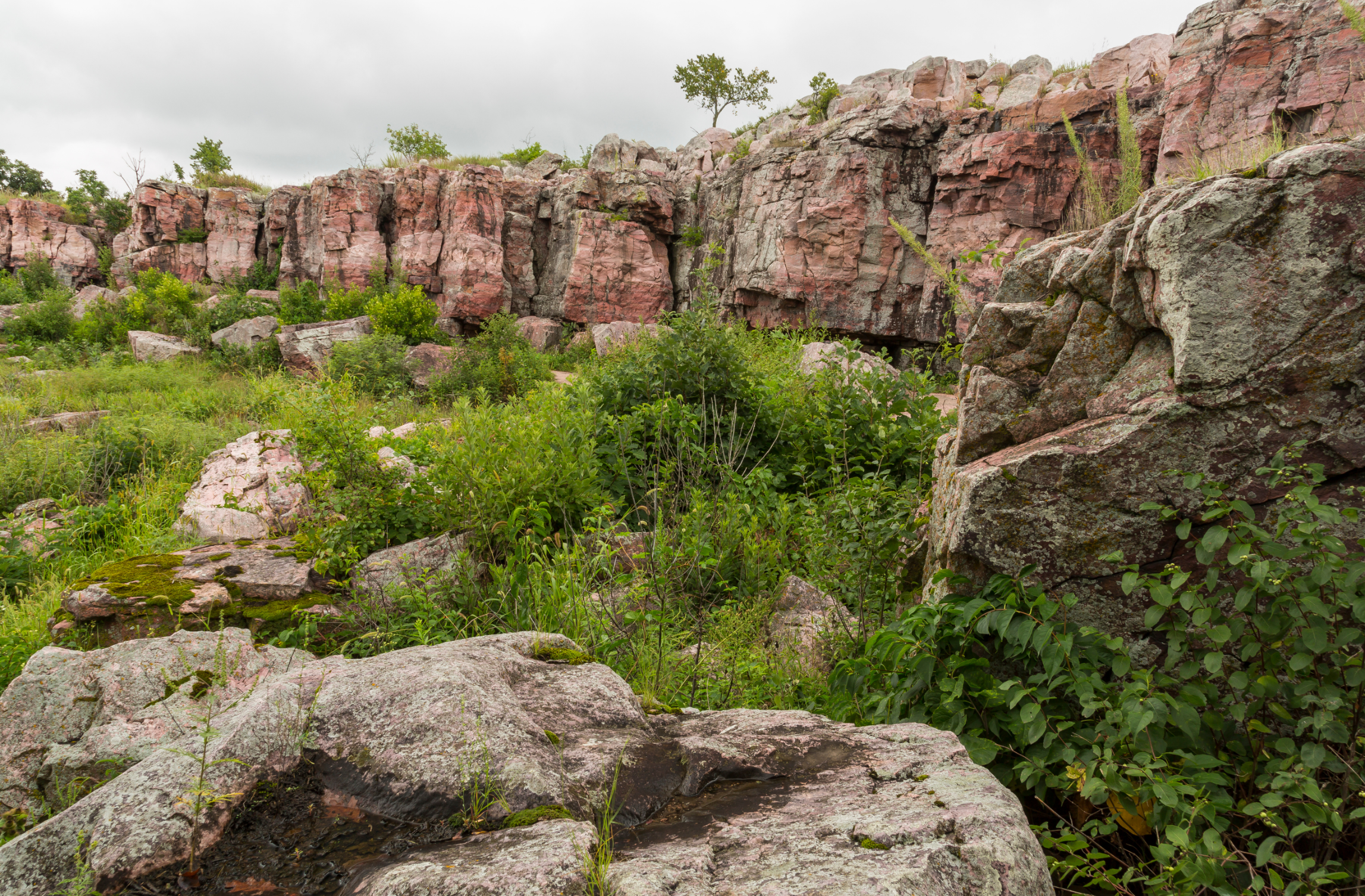
Pipestone National Monument holds deep cultural and spiritual significance for Indigenous peoples across North America. For thousands of years, Tribal Nations have traveled to the area to quarry red pipestone, also known as catlinite, which is used to create sacred ceremonial pipes.
The existing 0.74-mile pipeline segment was deactivated in December 2022 after federal officials declined to renew its right-of-way permit. Although the proposed reroute would move the pipeline outside the monument’s boundaries, Indigenous leaders remain concerned about potential impacts on surrounding sacred sites and cultural resources.
In January 2025, the PUC rescinded its October 2024 approval and required additional cultural, archaeological, and historical inventories. The Commission directed Magellan to coordinate with Tribal Nations and the Minnesota Indian Affairs Council to identify potential impacts on cultural resources.
However, tribal representatives have questioned whether those requirements were adequately fulfilled. According to Sahan Journal, tribal officials raised concerns about survey methods and insufficient consultation. ONEOK maintains that Magellan completed extensive archaeological surveys and engaged tribal cultural specialists.
Tribal Consultation Is Not Tribal Consent
A central concern raised by IPM is the distinction between consulting Tribal Nations and obtaining their consent.
“Allowing Indigenous voices to be heard while disregarding their calls for protection is not meaningful consultation,” the organization stated.
Although the Commission approved the route permit, IPM emphasized that the decision does not authorize immediate construction. According to its statement, additional archaeological surveys, tribal consultation, and cultural-resource protections are required before construction can begin.
IPM also cautioned that these conditions do not guarantee the protection of sacred, historic, or culturally significant sites.
Indigenous Protectors Vow to Continue
Despite the approval, IPM reaffirmed its commitment to protecting Pipestone and standing alongside Tribal Nations and community members who opposed the project.
The organization acknowledged the Elders, ceremonial leaders, and community members who traveled from numerous Tribal Nations to advocate for the sacred site.
“Our responsibility to protect Pipestone is rooted in our sacred relationships to the land, our ancestors, and future generations,” IPM stated.
The organization emphasized that a state-issued permit does not diminish Indigenous sovereignty or the responsibility to protect sacred places.
Sources: