

By The Circle
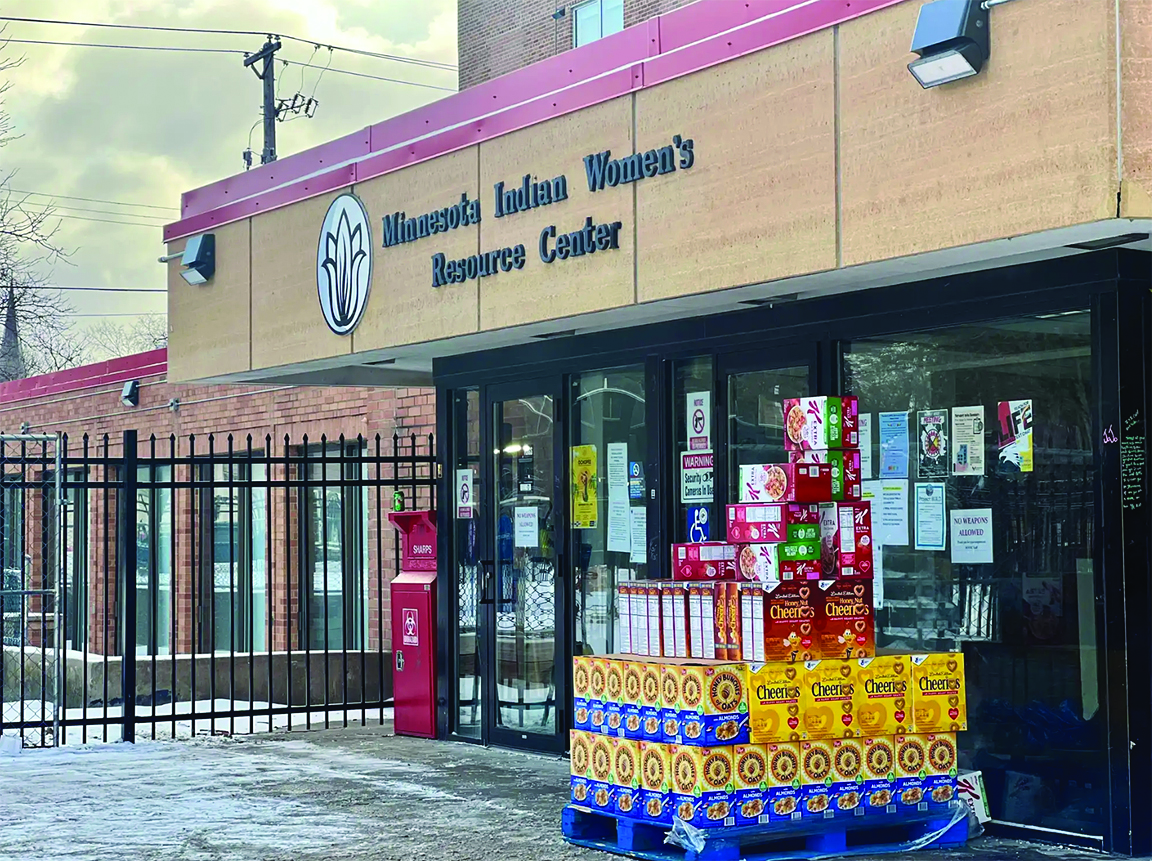
As winter temperatures plunge in Minneapolis, the Minnesota Indian Women’s Resource Center in south Minneapolis (MIWRC) continues to operate an Indigenous-led warming center that provides food, shelter and critical services to people facing homelessness and housing instability. The center has become a steady refuge during subzero conditions, offering not only warmth and meals, but connection and support during an increasingly uncertain winter season.
To meet rising demand, the MIWRC has partnered with local organizations, including Nenookaasi Ozhige and Avivo Village in the North Loop. Through these partnerships, the warming center has effectively doubled its overnight capacity by adding 20 overflow beds. When the center reaches capacity, staff coordinate transportation to Avivo Village to ensure no one is turned away in dangerous conditions.
Inside the MIWRC facility, volunteers guide guests through a simple check-in process before directing them to a large communal room where tables are arranged for meals. Hot breakfasts are prepared daily, with food served to ensure people begin the day nourished and warm. In extreme cold, the center provides up to 20 overnight beds, offering a safe place to sleep when temperatures become life-threatening.
The warming center first opened last winter in response to dangerous weather conditions and the lack of accessible emergency shelter options for Indigenous people and others experiencing homelessness. Since then, it has become a consistent presence in the community, relying heavily on volunteers who assist with cooking, cleaning, serving meals and providing general support to guests. Volunteers also help create a welcoming atmosphere, encouraging conversation and offering companionship to individuals who are often isolated.
In addition to overnight shelter during severe cold, the resource center expanded its services after receiving $100,000 in emergency funding from the city of Minneapolis. That funding allowed the organization to continue weekly “Resource Connect” days every Tuesday, even after the coldest months passed. On those days, the center operates during daytime hours, providing breakfast and lunch along with access to housing assistance and support services.
A mobile medical unit is also available during Resource Connect days, offering basic health screenings, exams and referrals. With the expanded services, the center has seen turnout grow significantly, sometimes serving up to 200 people in a single day. Staff and volunteers say the high demand reflects a broader crisis of housing instability in the region.
According to research by the Wilder Foundation, Native Americans experience homelessness at higher rates than other racial groups in Minnesota. In 2023, nearly half of Native Americans experiencing homelessness statewide were living in Hennepin County. Leaders at the resource center say those numbers highlight the need for culturally responsive services that address both immediate survival needs and long-term stability. While the center prioritizes Indigenous community members, its services are open to anyone in need.
Despite the success of the program, funding remains a significant concern. The original city grant was projected to cover one year of operations, a timeline that has now passed. The resource center has applied for additional grants, but leaders say long-term sustainability will likely require new funding sources to maintain staffing levels and services.
Safety concerns have also grown in recent weeks due to increased immigration enforcement activity in Minneapolis, including reports of detentions involving Indigenous community members. In response, the resource center has taken steps to protect guests and staff, including legal rights training and posting signage designating the facility as private property.
Leaders say the continued operation of the warming center is made possible through strong community partnerships, volunteer dedication and a shared commitment to collective care. As winter conditions persist, the center remains open through the weekend, continuing its role as a critical lifeline for people seeking warmth, safety and support.
For more information about the MIWRC, see: https://www.miwrc.org.