
By Mordecai Specktor
Rampaging microbes
In my column last month, I talked with filmmaker and curator Missy Whiteman about the third installment of the INDIgenesis film series at the Walker Art Center. The series of adventuresome and topical Native films was set to screen at the end of March. Of course, the coronavirus pandemic changed those plans – and it has changed the world as we know it.
Whiteman recently announced on Facebook that several short films froms INDIgenesis-GEN3 will be available to view online. For information, go to: bit.ly/INDIgenesis-GEN3.
Apart from the sickness and death from COVID-19, society has slowed way down. We won’t be going out to the clubs or theaters for a while. Health experts recommend that if people stay home and keep a six-foot distance from others in public spaces, it could break the chain of transmission of the nasty virus, for which we have no immunity and no vaccine as yet.
Of course, U.S. society does not have anything like the social safety net found in most industrialized countries. For example, we do not have a single-payer health care system and medical costs continue to outpace wages. And we are learning that the vaunted medical system in this country is not equipped to deal with the pandemic that is upon us.
Hospitals in Italy, a nation with world-class medical system, have been completely overwhelmed by the number of acutely sick patients with COVID-19 – and, at this writing in late March, a similar crisis is underway in New York City. Perhaps, some of you have seen the photo of nurses at New York’s Mount Sinai Hospital who fashioned PPE (personal protective equipment) out of plastic trash bags.
And the situation in Indian Country, vis-à-vis the coronavirus pandemic, is especially grim. In a well-reported March 25 Vox.com article, “The coronavirus is exacerbating vulnerabilities Native communities already face,” Maria Givens, an enrolled member of the Coeur d’Alene Tribe (Schitsu’umsh), begins her survey on the Navajo Nation. In the town of Kayenta (pop. 5,189), 18 cases of COVID-19 were diagnosed over two weeks in March. Navajo Nation President Jonathan Nez issued a stay-at-home order for residents of the country’s largest Indian reservation.
“The Navajo Nation isn’t the only Indian community to feel the impact of the coronavirus,” Givens writes. “The first person in Oklahoma to die from Covid-19 complications was a 55-year-old citizen of the Cherokee Nation. A Northern Arapaho tribal member on the Wind River Indian Reservation in Wyoming tested positive… and the tribe has declared a state of emergency for the reservation that spans over 2.2 million acres…. Minnesota Lieutenant Governor Peggy Flanagan, of the White Earth Band of Ojibwe, lost her brother to Covid-19 after he was already battling a cancer diagnosis.”
Natives in urban areas also are contracting the novel coronavirus in disproportionate numbers. Givens notes: “According to the National Council on Urban Indian Health, ‘The Urban Indian Organizations located in Seattle, Washington, is projecting a monthly loss of $734,922 during this pandemic,’ meaning the urban health clinics are dipping into their limited noncoronavirus-related funding to cope with the pandemic.”
Closer to home, Melanie Benjamin, chief executive of the Mille Lacs Band of Ojibwe, told Givens: “We took swift action [to declare a state of emergency] as we saw the numbers of confirmed cases in the state escalate from 5 to 14 to 21. We shut down schools and sent all nonessential employees home. We took every precaution we could up front. My biggest concern is if that virus shows up here.”
Givens explains: “Tribal governments, just like state and local governments, become eligible for a large number of federal funds after they officially declare a state of emergency.” And she mentions that, in early March, Congress allocated $40 million in coronavirus aid to Native communities through the Centers for Disease Control and Prevention (CDC); and then another $64 million was granted in direct aid to the Indian Health Service – although, as of March 21st, 98% of tribal clinics had not received any money from the initial allocation through the CDC.
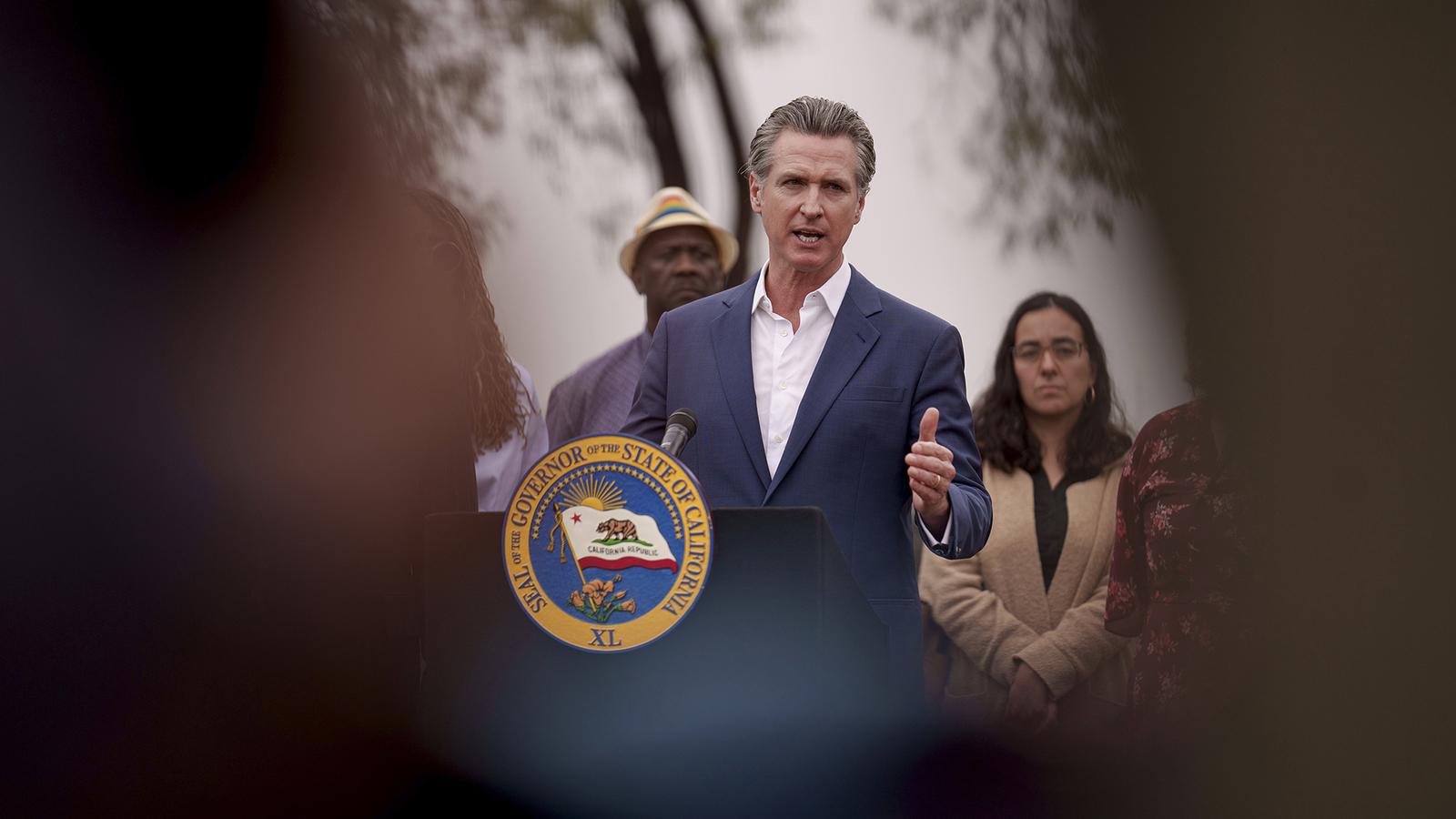
In the absence of sane and competent leadership at the federal level, it will fall to governors, tribal and local government leaders to navigate through this unprecedented health catastrophe. In late March, the nincompoop in the Oval Office was blabbering about everyone gathering in churches for Easter. He seems ready to endanger the lives of millions of Americans in order to get the Dow Jones Industrial Average back on track.
Finally, the pandemic highlights a larger crisis in our society, which must begin a transition to a more humane and equitable economy.