No data was found

Temporary Colorado River rules face lawsuit as tribal water questions remain

Writer
Share :
Facebook
X
No data was found

The federal government has adopted temporary operating guidelines for the Colorado River after the seven basin states failed to agree on a long-term plan for the drought-stricken waterway.

The agreements governing shortages and operations at Lake Powell and Lake Mead expire at the end of 2026. On Aug. 21, the U.S. Department of the Interior issued new guidelines for 2027 and 2028 and adopted a broader decision-making framework extending through 2036.

Under the two-year plan, deliveries to the Lower Basin states of Arizona, California and Nevada will be reduced by a combined 1.25 million acre-feet each year. The guidelines also call for the Lower Basin to voluntarily conserve and store at least 700,000 additional acre-feet over the two years.

The plan creates a federally managed pool intended to help meet tribal water-delivery obligations and provide limited offsets for impacts on tribes. However, it does not resolve the larger dispute over how future shortages should be divided between the Upper and Lower Basin states.

Nevada filed a federal lawsuit Aug. 24 seeking to block the plan, arguing that it places disproportionate reductions on the Lower Basin while imposing no mandatory cuts on Colorado, New Mexico, Utah and Wyoming.

The stakes are especially high for the 30 federally recognized tribes in the Colorado River Basin. Tribal nations hold recognized rights totaling approximately one-quarter of the river’s average flow, but some claims remain unresolved. Many tribal communities also lack the pipelines, treatment facilities, and other infrastructure needed to use their water fully.

Tribal leaders have repeatedly called for sovereign tribal nations to have a meaningful role in developing permanent river-management rules. They have also emphasized that legal water rights provide limited benefits when communities lack the infrastructure needed to deliver clean water.

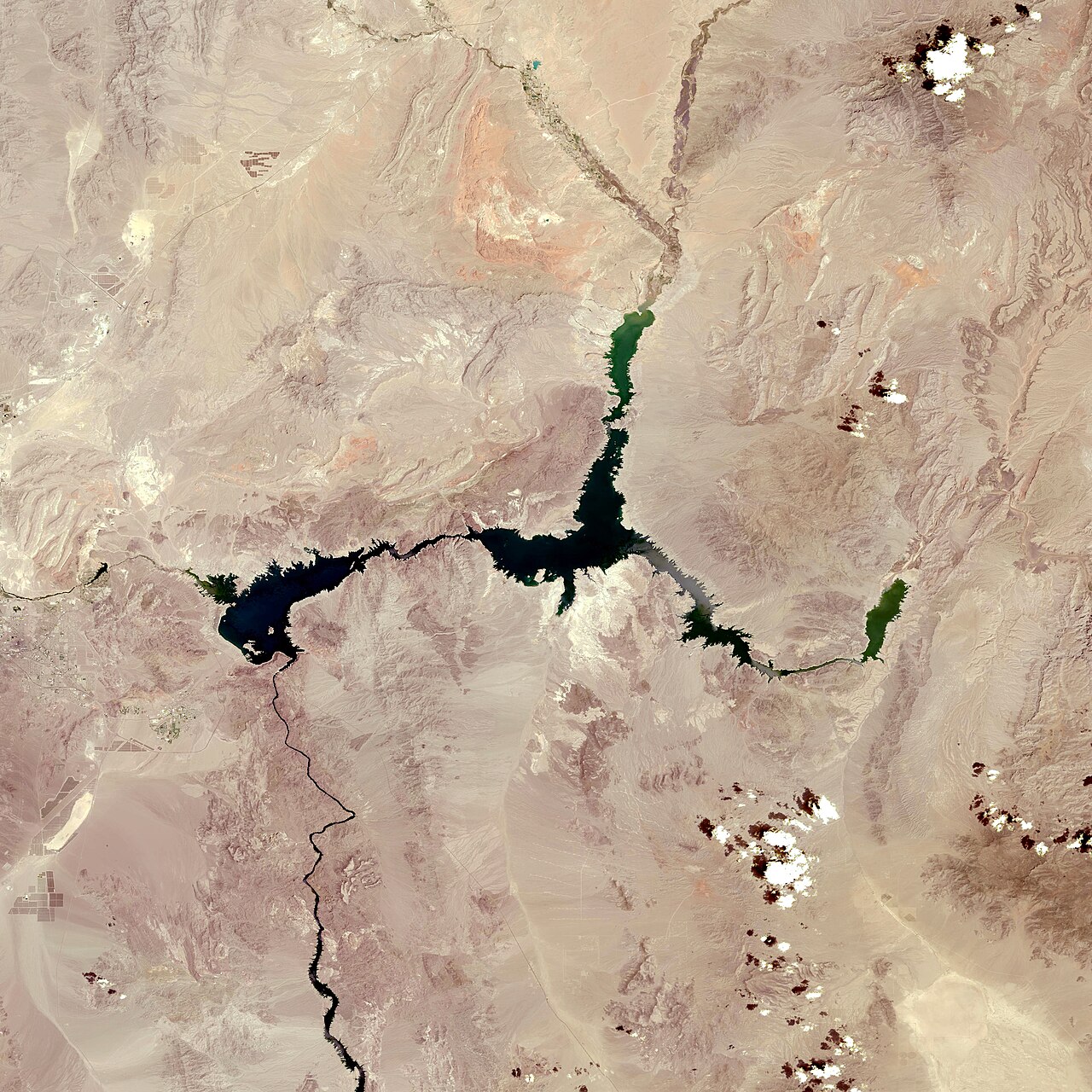
Lake Powell and Lake Mead reached record-low elevations in August after the basin experienced its lowest recorded snowpack during the winter of 2025–26. Negotiations over future operating rules are expected to continue amid worsening shortages and litigation.

Sources:

Writer,
General News
Victoria Fox is an enrolled member of the Ho-Chunk Nation and a communications and operations professional with a background in administration, community outreach, and organizational support. She is passionate about helping lead The Circle into its next chapter while honoring its longstanding legacy of independent Indigenous journalism and advocacy.

This reporting is made possible by readers like you.

The Circle is a nonprofit newsroom with no tribal affiliation, no corporate ownership, and no paywall. Independent Native journalism depends on reader support.

Advertisement

NOV-JAN Federal Changes Ad (1080 x 1080 px) - The Circle (1)

Recent Stories

Advertisement

RWRE-Battery-Digital_1000x2110

More From EnvironmentNational BriefsNewsPolitics & Policy

Honoring Native American Veterans: A Legacy of Service and Sacrifice

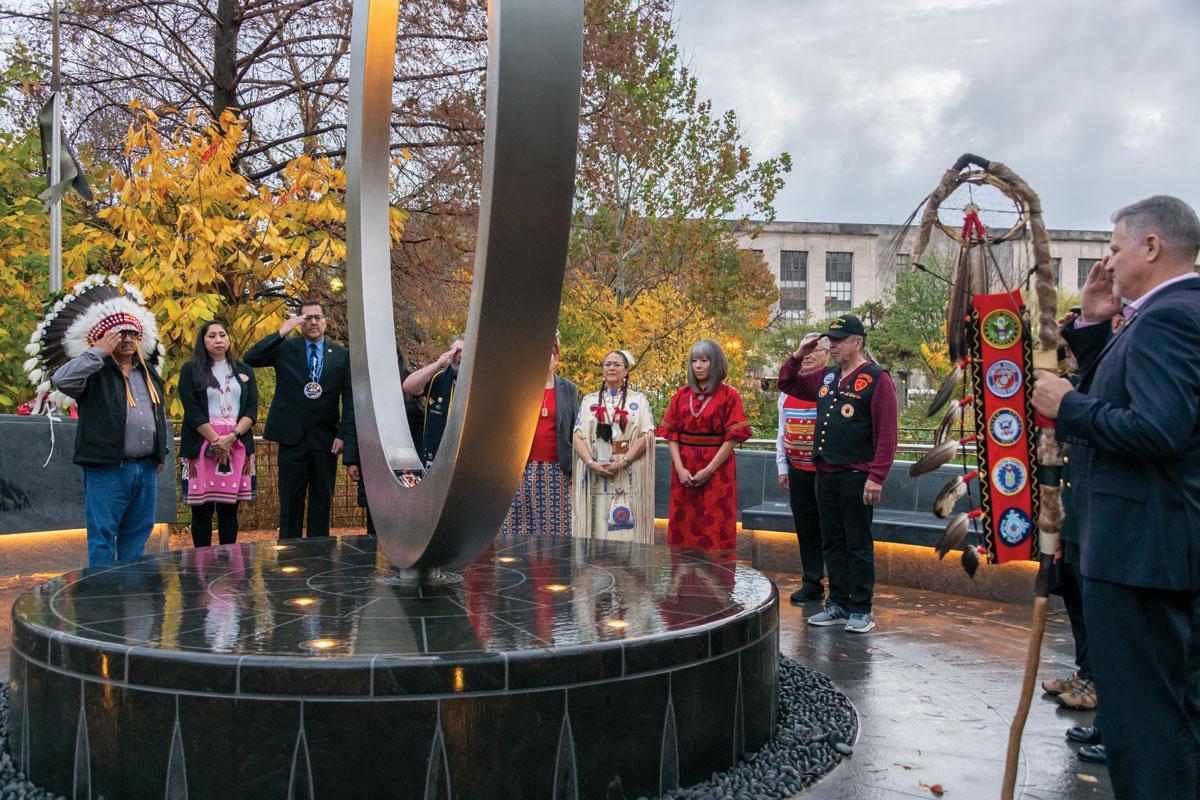
As communities across the country observe Veterans Day on November 11th, The Circle joins tribal nations in honoring the Native American men and women who have served, and continue to serve, in the United States Armed Forces. Native Americans have a long history of military service, with participation rates historically among the highest of any […]

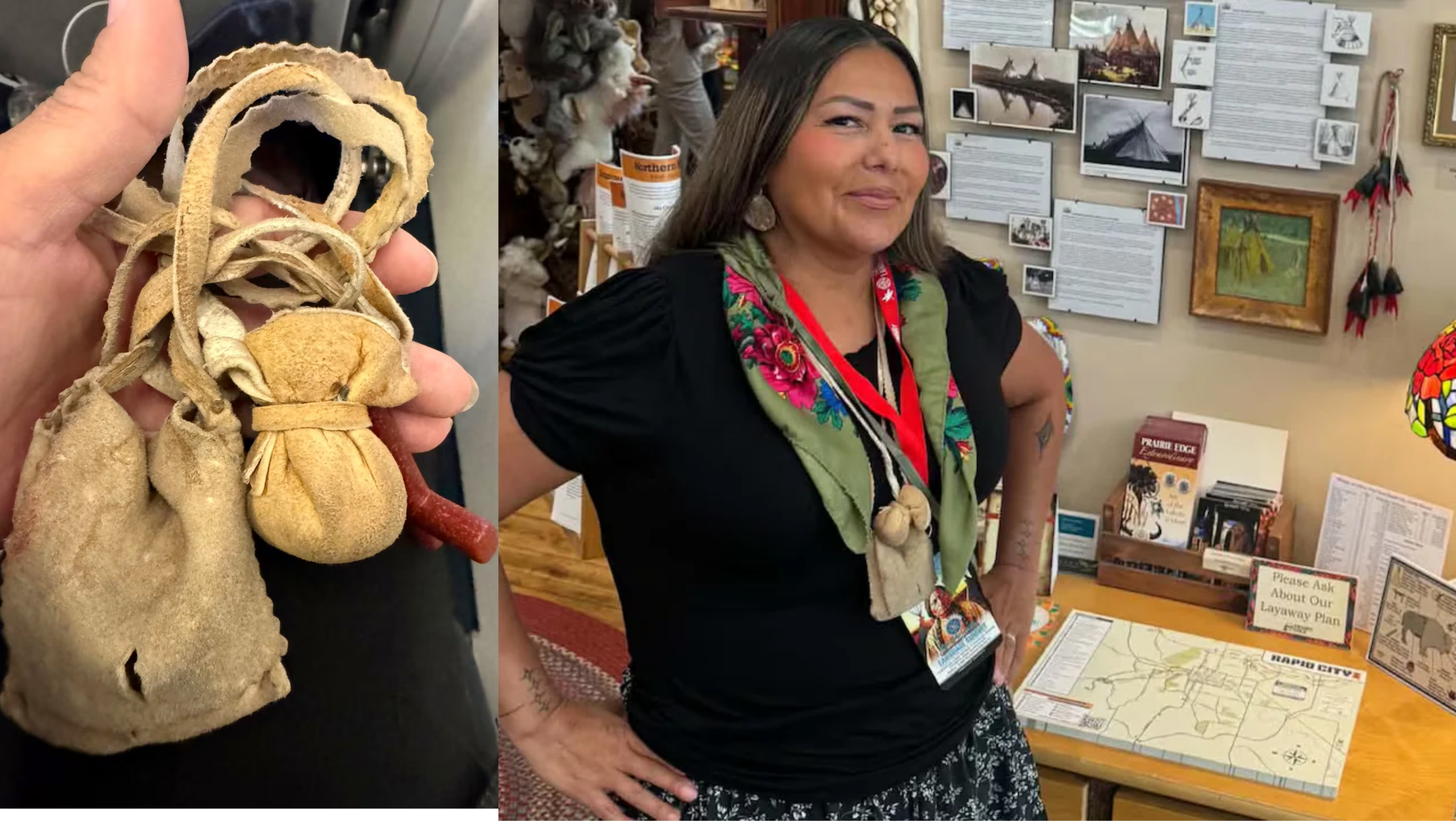
A hand holds Tipiziwin Tolman’s deer-hide medicine pouches, which contain íŋyaŋ wóawaŋyaŋke (protection rock), according to CBC.(Left) Tipiziwin Tolman stands beside a display, wearing her medicine pouches around her neck.(Right)

Alaska Airlines Passenger Says She Was Told to Remove Sacred Medicine Pouches

Tipiziwin Tolman, a Dakota and Lakota student from the Standing Rock Sioux Tribe, says a flight attendant on an Alaska Airlines flight from Seattle to Vancouver told her to remove the medicine pouches she wore around her neck or leave the plane. Tolman was traveling to a First Nations Language Keepers conference in Saskatoon. She […]

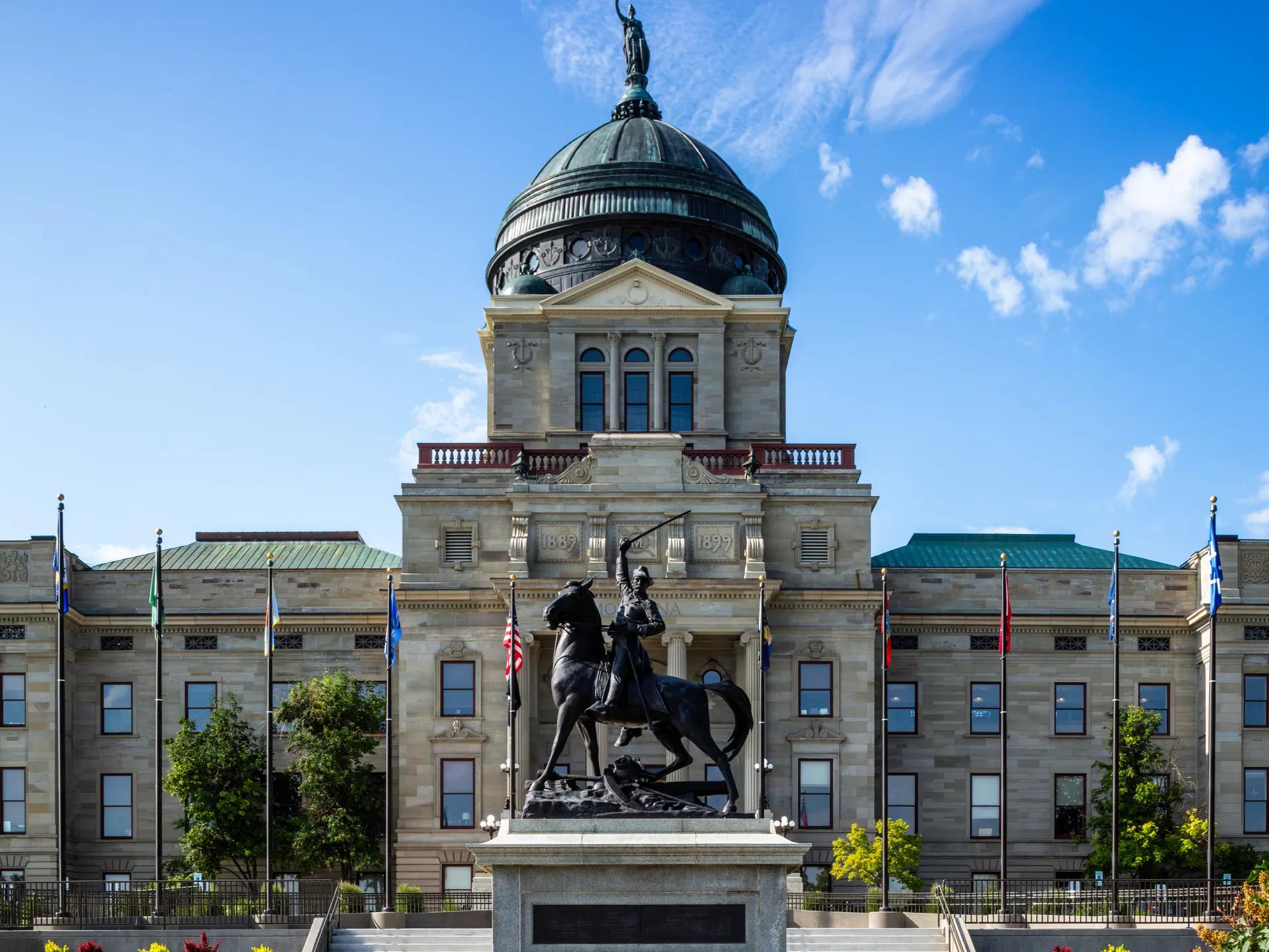
Montana’s American Indian Caucus to Reach Historic 14 Members in 2027 Legislature

Montana’s American Indian Caucus is set to reach a historic milestone following the November 3rd general election, with at least 14 Native American lawmakers expected to serve during the state’s 2027 legislative session, making it the largest Native legislative caucus in Montana history. The milestone represents an increase from the 12 Native lawmakers who served […]

No data was found

Search The Circle

Find stories, columns, events, and magazine features.

Help The Circle Recover & Preserve Native History

FIRE RECOVERY & ARCHIVE PRESERVATION FUND

A recent fire at the building housing The Circle’s office has created unexpected challenges for our independent Native newspaper.

Thankfully, with the help of community members, we were able to recover our newspaper archives dating back to the 1980s. These irreplaceable records preserve decades of Native community history, cultural knowledge, and stories.

Your donation will help The Circle recover from the fire, protect our historical archives, and continue sharing Native voices for generations to come.

Every contribution makes a difference.

Pinagigi — Thank you for helping preserve generations of Native stories.