
MNsure_TheCircle_1800x150

400 turn out for First Annual Mde Maka Ska Canoe Nations Gathering

Share :
Facebook
X
MNsure_TheCircle_1800x150

On August 14 Healthy Nations Canoe Society hosted the first annual Mde Maka Ska Canoe Nations Gathering at Lake Calhoun. The event, celebrating the resurgence of indigenous canoe culture in Minnesota, drew approximately 400 participants from throughout the region who played, painted, and competed in 90-degree heat. Activities included sprint and endurance canoe races, design and paint your own paddle, canoe rides, fishing games, and a sunset dinner.

The gathering was dedicated to Waste’win Gonzalez, an early visionary of a resurgent canoe culture in Minnesota, who passed away on August 16, 2008, at the age of 22. Before her thirteenth birthday Waste’win had been a member of a canoe journey from the Mississippi Headwaters to Minneapolis.
All five of the canoes originally used on Waste’win’s Mississippi trip were used at the Mde Maka Ska event. Waste’win had paddled several times on Mde Maka Ska with Healthy Nations Canoe Society, and at the time of her passing was working on details of a plan to take her infant daughter, Juanita, on a river journey. Juanita, 3, was present at the gathering and marked the occasion by taking her first canoe ride on her grandmother’s (Jaunita Espinosa) lap.

Mde Maka Ska is Dakota for White Earth Lake, the ancient name of Lake Calhoun, where for generations Dakota people lived, hunted, gathered, and fished, using birch and dugout canoes to move between the inland village and Haha Wakpa (Mississippi River).

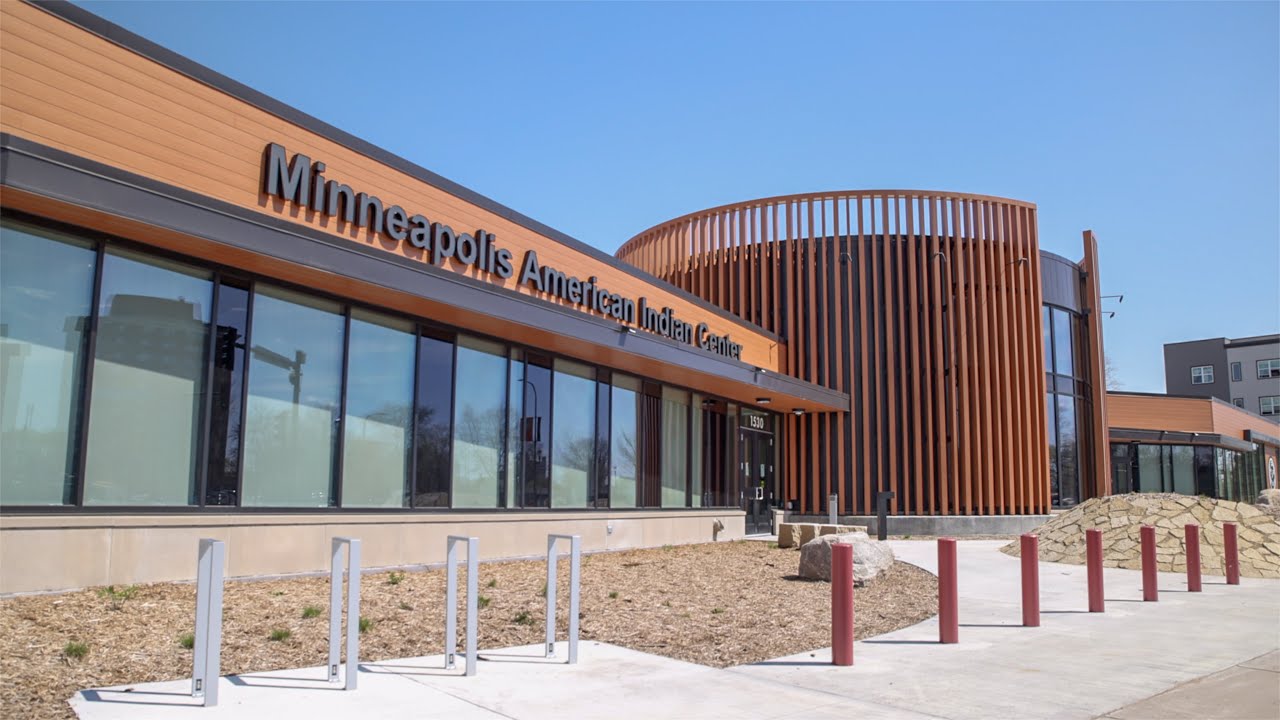
Healthy Nations Canoe Society operates out of the Minneapolis American Indian Center. The organization has been leading indigenous people on culturally specific canoe trips along Minnesota’s waterways for the past three years.

To get involved or to learn more call 612-879-1744 or 651-230-4161; or email llapointe@maicnet.org.

This reporting is made possible by readers like you.

The Circle is a nonprofit newsroom with no tribal affiliation, no corporate ownership, and no paywall. Independent Native journalism depends on reader support.

Advertisement

RWRE-Battery-Digital_1000x2110

Recent Stories

Advertisement

MNsure_TheCircle_1000x2110

More From LatestNews

Minnesota Seeks Community Input on American Indian Education at December Hearings

The Minnesota Department of Education will hold two public hearings in December to gather input from American Indian students, parents, educators, and community members about the state of American Indian education in Minnesota. The hearings are scheduled for December 15th at Grand Casino Mille Lacs in Onamia and December 16th at the Minneapolis American Indian […]

Minnesota Tribes Lead Research Into Water Contaminants and Impacts on Traditional Foods

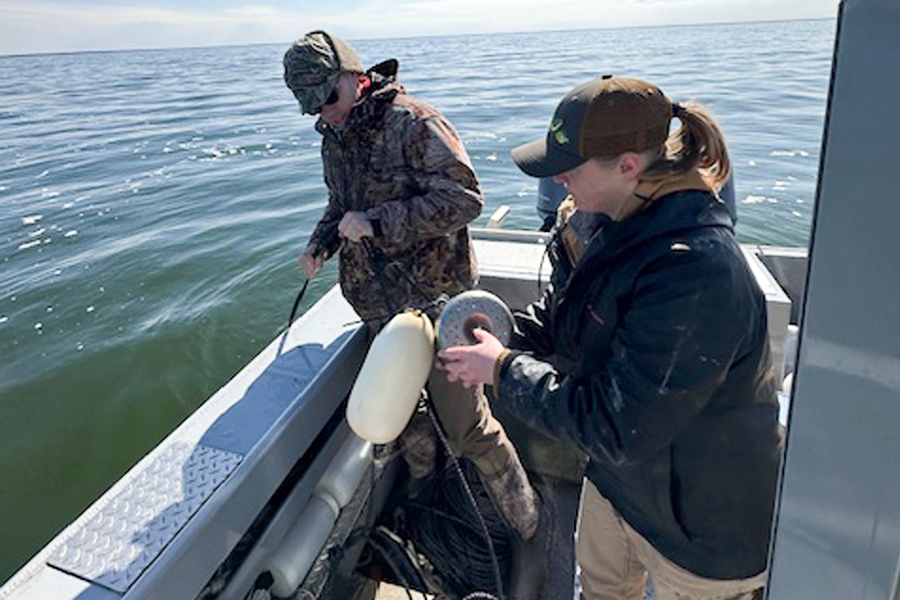
Three Minnesota tribal nations are working with researchers to investigate contaminants in lakes, waterways, and fish to protect water quality, traditional food sources, and the health of their communities. The Red Lake Nation, Fond du Lac Band of Lake Superior Chippewa, and Grand Portage Band of Lake Superior Chippewa are participating in a tribal-led research […]

New Dakota Youth Fellowship Offers Opportunities to Share Community History and Culture

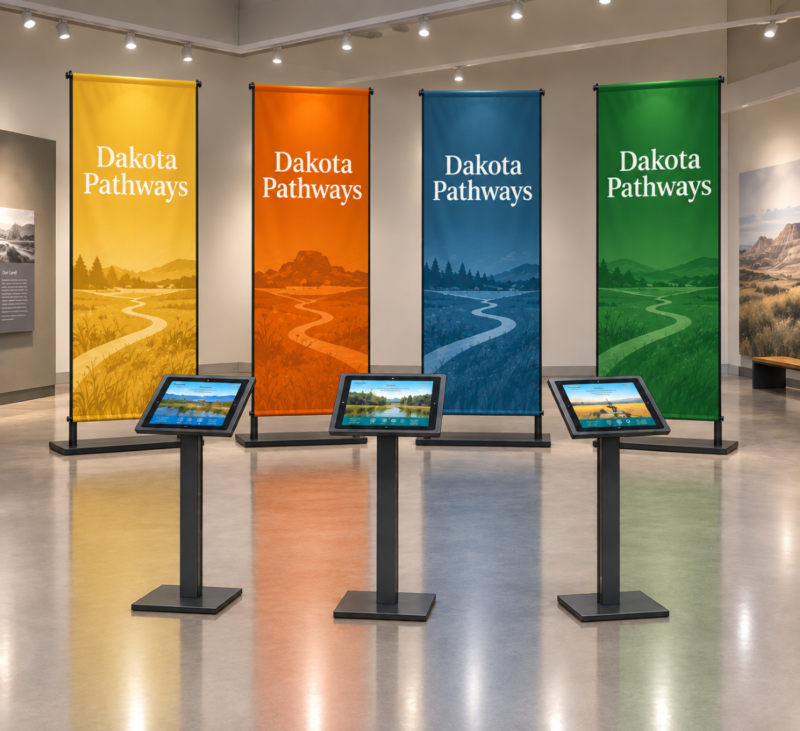
A new fellowship program in southeastern Minnesota is offering Dakota young adults the opportunity to explore their communities’ histories, develop research skills, and share stories through creative projects. The Winona County Historical Society has announced the Dakota Pathways Fellowship, a five-month program beginning in 2027 that will select six Dakota participants ages 18 to 24. […]

MNsure_TheCircle_1800x150

Search The Circle

Find stories, columns, events, and magazine features.

Help The Circle Recover & Preserve Native History

FIRE RECOVERY & ARCHIVE PRESERVATION FUND

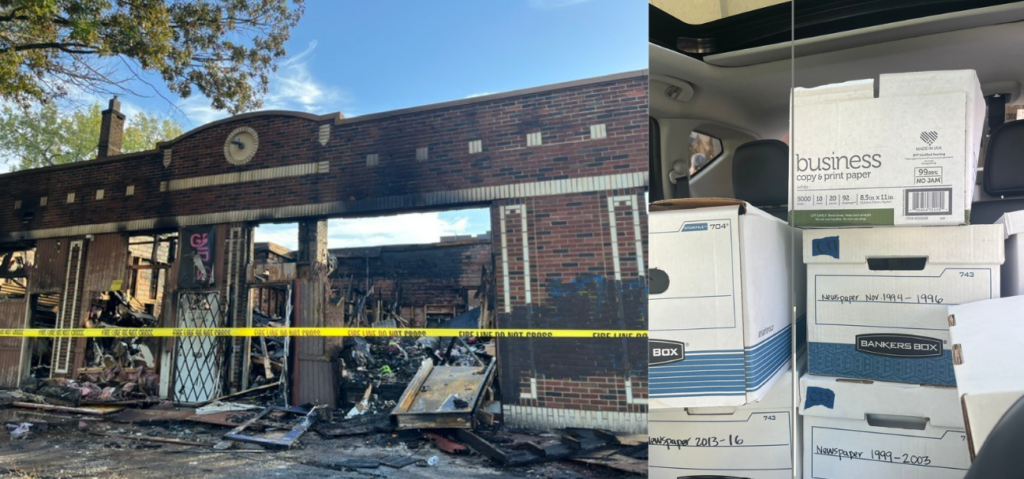
A recent fire at the building housing The Circle’s office has created unexpected challenges for our independent Native newspaper.

Thankfully, with the help of community members, we were able to recover our newspaper archives dating back to the 1980s. These irreplaceable records preserve decades of Native community history, cultural knowledge, and stories.

Your donation will help The Circle recover from the fire, protect our historical archives, and continue sharing Native voices for generations to come.

Every contribution makes a difference.

Pinagigi — Thank you for helping preserve generations of Native stories.