
Tribal leaders, healthcare professionals, researchers, and educators from across Minnesota gathered in Hinckley on October 27–28 for the state’s first American Indian Health and Research Workforce Development Summit, aimed at addressing longstanding workforce shortages and expanding opportunities for Native Americans in healthcare and research careers.
The two-day summit, held at Grand Casino Hinckley, was organized by the University of Minnesota Medical School’s Center of American Indian and Minority Health and the Minnesota Department of Health’s Office of American Indian Health and Tribal Relations.
Participants discussed ways to strengthen the Native healthcare workforce, support Indigenous-led research, and develop educational pathways that encourage more American Indian students to pursue careers in medicine, public health, and scientific research.
“Healthcare and research workforce shortages persist in Indian country,” said Dr. Mary Owen, associate dean of Native American Health at the University of Minnesota Medical School and director of the Center of American Indian and Minority Health.
Owen described the summit as an initial effort to bring educational and healthcare institutions together to develop tribally led solutions to longstanding workforce needs.
A central focus of the gathering was tribal sovereignty, particularly ensuring that Native Nations have authority over research involving their communities.
The Minnesota Department of Health presented on tribal data sovereignty, emphasizing that tribal governments should have control over how information about their people is collected, used, and shared.
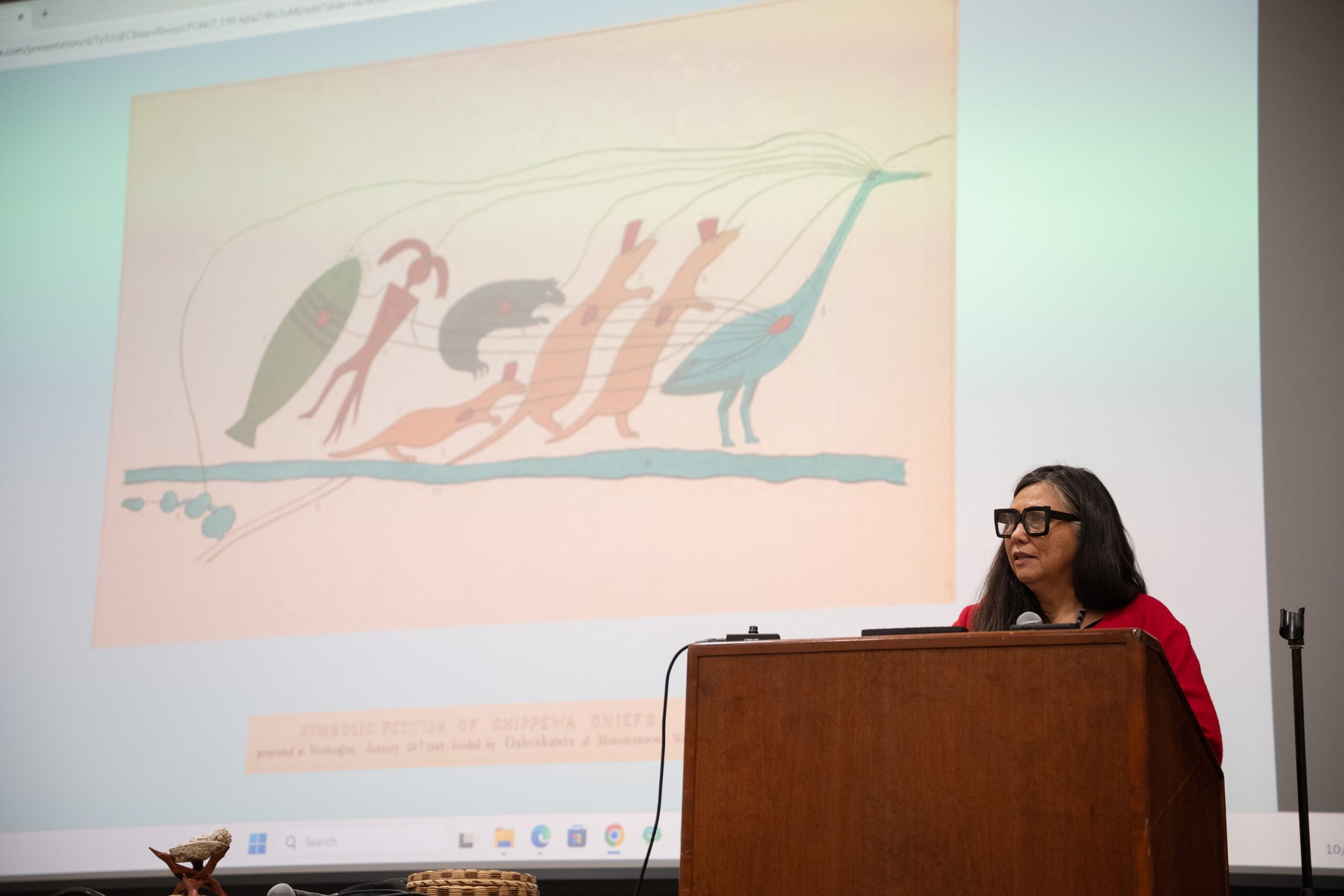
The summit also addressed the historical relationship between the University of Minnesota and tribal nations. Researchers An Garagiola and Audrianna Goodwin discussed findings from the TRUTH Project, which examines the university’s history with Indigenous communities and the need for institutional accountability.
Other presentations highlighted Indigenous scientific knowledge, cardiovascular health research in Native communities, and Indigenous-led cancer research.
On the second day, participants shifted their attention toward developing solutions, including strengthening educational opportunities from kindergarten through graduate and professional programs.
Breakout discussions focused on mentorship, financial assistance, college readiness, research opportunities, and career development for Native students.
The importance of these educational pathways is reflected in ongoing efforts at the University of Minnesota. Earlier this month, the university’s School of Nursing announced that 22 American Indian and Alaska Native students were enrolled in its doctoral nursing pathway programs, including two students pursuing doctoral research degrees.
The summit’s organizers plan to use recommendations from the gathering to develop a Minnesota American Indian Health and Research Workforce Development Roadmap over the coming months.
The proposed roadmap is intended to guide future collaboration among tribal nations, educational institutions, healthcare organizations, and state agencies.
For Native communities throughout Minnesota, the initiative aims to expand opportunities for Indigenous healthcare professionals while ensuring tribal priorities, cultural knowledge, and sovereignty remain central to healthcare and research decisions.
Sources: