

The federal government has adopted temporary operating guidelines for the Colorado River after the seven basin states failed to agree on a long-term plan for the drought-stricken waterway.
The agreements governing shortages and operations at Lake Powell and Lake Mead expire at the end of 2026. On Aug. 21, the U.S. Department of the Interior issued new guidelines for 2027 and 2028 and adopted a broader decision-making framework extending through 2036.
Under the two-year plan, deliveries to the Lower Basin states of Arizona, California and Nevada will be reduced by a combined 1.25 million acre-feet each year. The guidelines also call for the Lower Basin to voluntarily conserve and store at least 700,000 additional acre-feet over the two years.
The plan creates a federally managed pool intended to help meet tribal water-delivery obligations and provide limited offsets for impacts on tribes. However, it does not resolve the larger dispute over how future shortages should be divided between the Upper and Lower Basin states.
Nevada filed a federal lawsuit Aug. 24 seeking to block the plan, arguing that it places disproportionate reductions on the Lower Basin while imposing no mandatory cuts on Colorado, New Mexico, Utah and Wyoming.
The stakes are especially high for the 30 federally recognized tribes in the Colorado River Basin. Tribal nations hold recognized rights totaling approximately one-quarter of the river’s average flow, but some claims remain unresolved. Many tribal communities also lack the pipelines, treatment facilities, and other infrastructure needed to use their water fully.
Tribal leaders have repeatedly called for sovereign tribal nations to have a meaningful role in developing permanent river-management rules. They have also emphasized that legal water rights provide limited benefits when communities lack the infrastructure needed to deliver clean water.
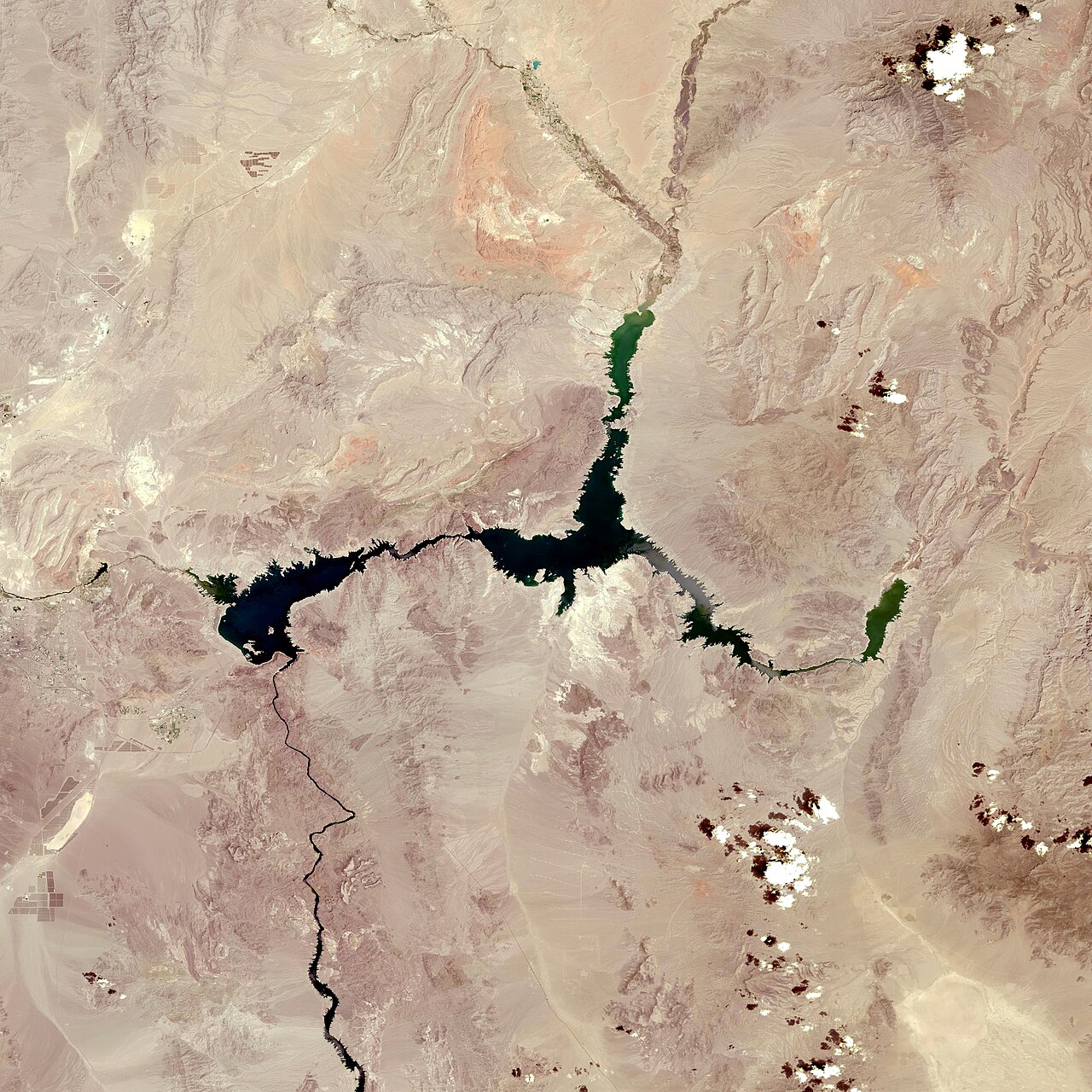
Lake Powell and Lake Mead reached record-low elevations in August after the basin experienced its lowest recorded snowpack during the winter of 2025–26. Negotiations over future operating rules are expected to continue amid worsening shortages and litigation.
Sources:
- Bureau of Reclamation: Interior Department Finalizes Plans for 2027–2028 Colorado River Operations
- Bureau of Reclamation: Future Colorado River Operations—Decision Documents
- Reuters: U.S. imposes deep Colorado River water cuts
- Reuters: Nevada sues to block federal Colorado River plan
- Colorado Newsline: States stalling water-rights deal