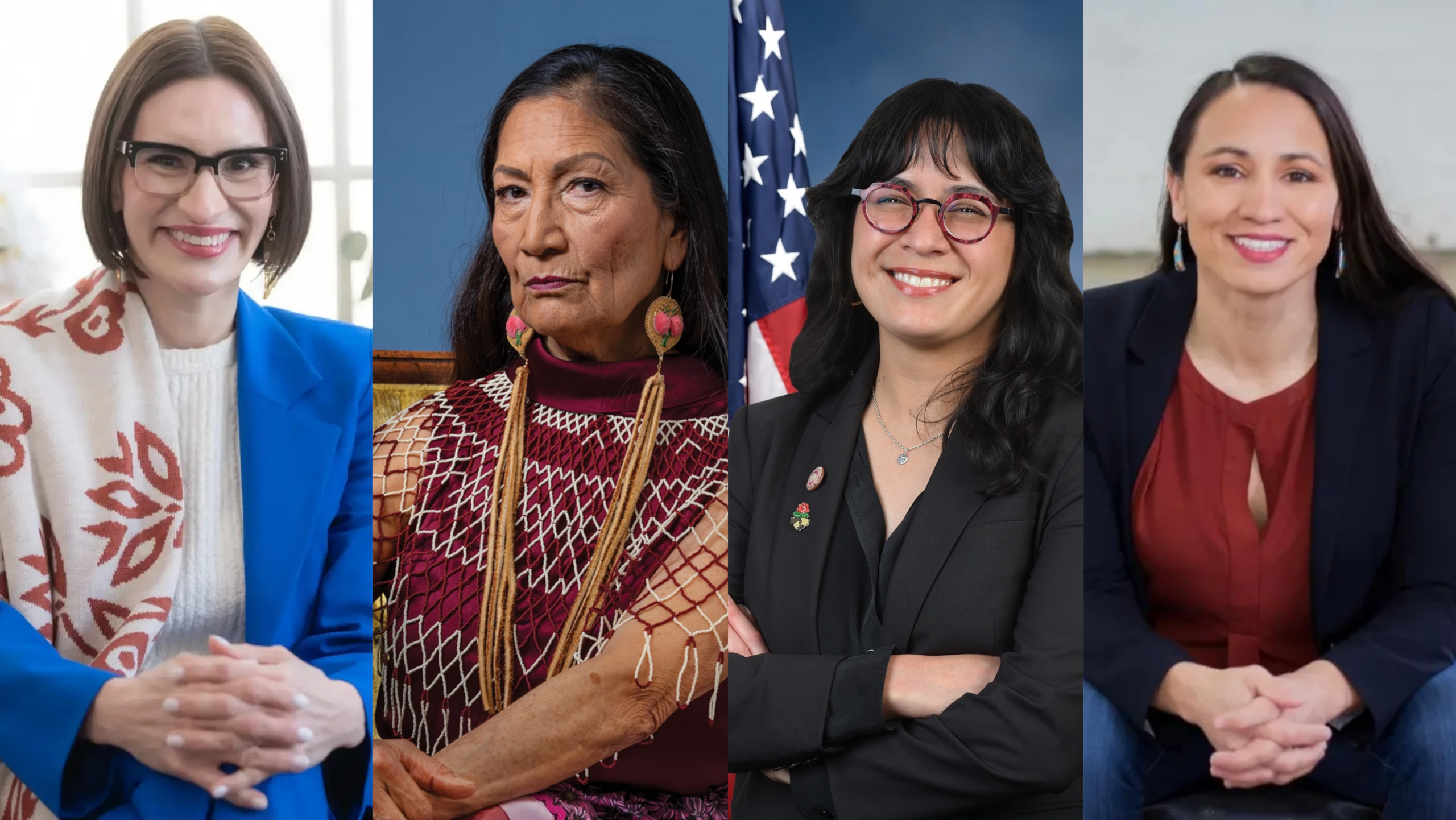
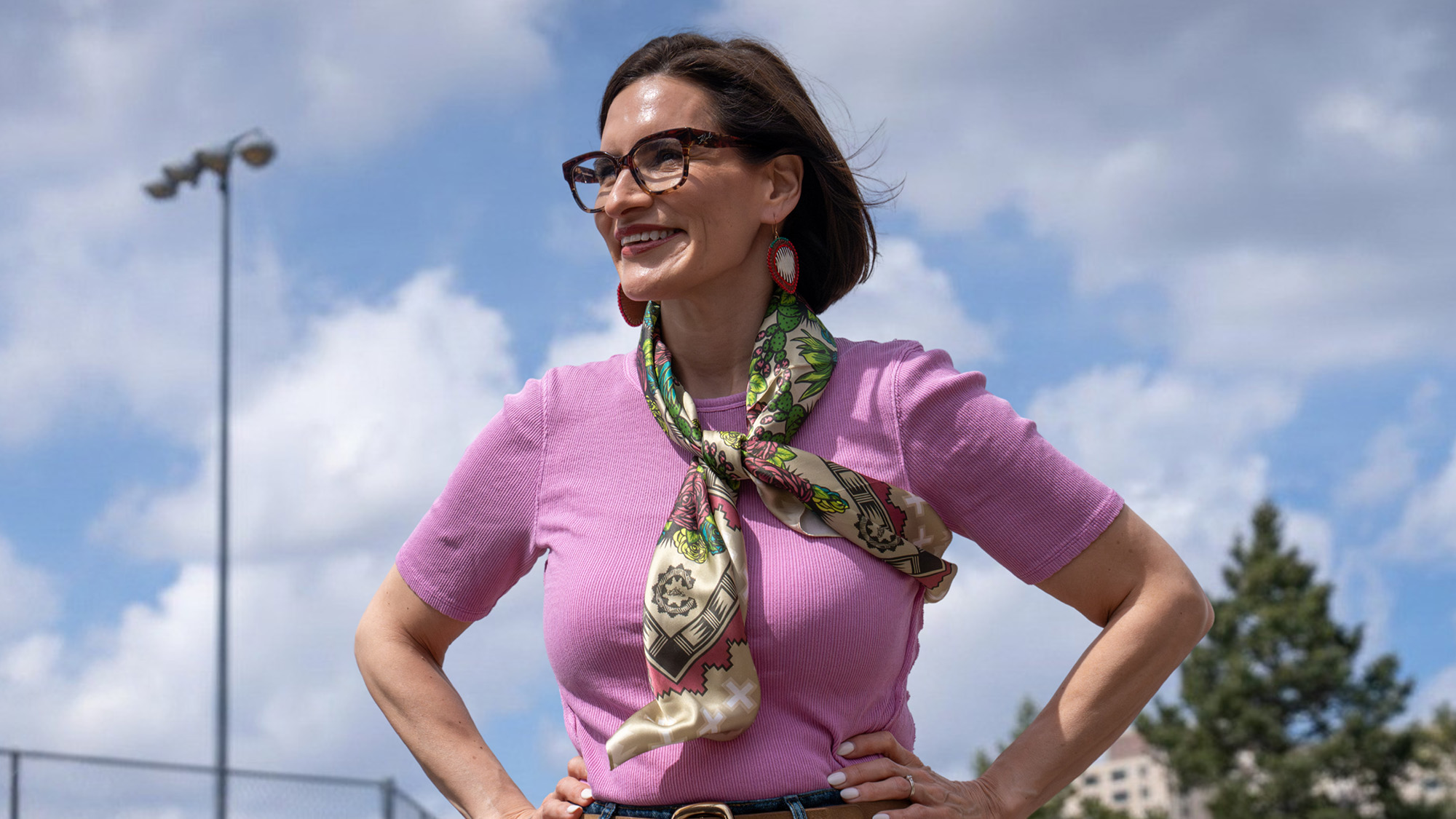
Following her historic election as the first Native American woman elected to the United States Senate, Minnesota Senator-elect Peggy Flanagan spoke with Native journalists about her victory, legislative priorities, and the importance of Indigenous representation in government.
Flanagan, a citizen of the White Earth Nation, hosted a press call for Native reporters and Native-led media outlets, recognizing the election’s significance and the need to keep Native communities informed.
“We’re just getting started,” Flanagan told reporters.
A Historic Victory for Native Representation
Flanagan described election night as overwhelming and filled with gratitude. She recalled seeing her tribal chairman holding the White Earth Nation flag on stage and later watching a video of a drum group performing an honor song before her entrance.
Her victory came alongside another historic milestone: former U.S. Interior Secretary Deb Haaland became the first Native American woman elected governor of a U.S. state.
Flanagan also expressed excitement about the possibility of serving alongside former Alaska Congresswoman Mary Peltola, a Yup’ik Democrat who holds a narrow lead over incumbent Republican Sen. Dan Sullivan in Alaska’s still-undecided U.S. Senate race.
“I’m excited about the possibility of having two Indigenous women serving in the U.S. Senate together,” Flanagan said during the November 4 press call.
“Although it took 250 years for a Native woman to become a United States senator, I certainly know that the next Native woman who is elected to the U.S. Senate, it will happen much faster,” she said.
“When our elected bodies more accurately reflect the communities they seek to represent, it’s better for democracy.”
Priorities for Indian Country and Minnesota
Flanagan outlined several legislative priorities, including reversing cuts to Medicaid and the Supplemental Nutrition Assistance Program (SNAP), which she described as devastating to Minnesota.
She also called for banning prior authorization requirements that allow insurers to delay or deny prescribed medical treatments, describing the proposal as a step toward Medicare for All.
Other priorities included ending the war in Iran and addressing federal immigration enforcement operations in Minnesota. Flanagan criticized ICE operations and raised concerns about Native community members being targeted based on their appearance.
For tribal nations, Flanagan emphasized the federal government’s responsibility to uphold treaty rights and trust obligations.
“Frankly, that should be the floor,” she said.
She also called for full funding of the Indian Health Service, describing it as honoring an existing federal commitment to Native people.
Flanagan expressed interest in serving on the Senate Committee on Indian Affairs, following Minnesota senators Paul Wellstone, Al Franken and Tina Smith.
“I absolutely would like to have a seat at that table,” she said.
Encouraging Future Native Leaders
When asked what advice she would offer young Native women interested in politics, Flanagan encouraged them to gain experience working on political campaigns.
She credited volunteering for Sen. Paul Wellstone as a turning point in her career and highlighted Native women who served on her campaign staff.
Flanagan also recommended Advanced Native Political Leadership, an organization that trains Native candidates and campaign staff.
“That’s the best place to get your foot in the door, to learn about how to run and how to win,” she said.
Recognizing Minnesota’s Native Community
Throughout the call, Flanagan acknowledged the Native communities that helped make her election possible, particularly Minnesota’s urban Native community.
“I exist because of the love and support of the Native community here in Minnesota,” she said.
She encouraged supporters to celebrate by wearing their biggest earrings, rocking their ribbon skirts, and letting out their loudest lele.
As Flanagan prepares to take office, her election marks a historic milestone for Native representation and an opportunity to bring Indigenous perspectives into federal policymaking.