No data was found

The Native American Boarding School

Share :
Facebook
X
No data was found

The Native American children were taken away from their families and put into boarding schools to learn the white man’s way of life. Boarding schools were planned by the government so the children would forget their tribal ways. The schools were devastating to the native people. Practicing their tribal ways or speaking the language was punished.                                    

It was forbidden to practice their tribal ways or language because the white people thought it was worthless. There was a lot of racism toward native people. Families couldn’t see their children, sometimes for years. The elders couldn’t teach the children their tribal ways because the children had forgotten. The federal government banned Ojibwe spiritual practices, and they were forced to be Christians.  When they become adults, they didn’t teach their children the tribal ways cause they didn’t want them to suffer. In the summer, many were sent to work on the farms of white settlers.                                        The families of Native American were suffering because they were losing relatives to alcoholism and disease. The diseases were taking many lives and sadness and grief fell over the Ojibwe people. Families were breaking up from alcoholism and lack of jobs. There were many lives taken away due to smallpox, influenza (flu), and tuberculosis. Some people died of poor nutrition.The Ojibwe suffered emotionally for losing their land, not having jobs or money, and losing loved ones. The white man made life difficult for each Native American.

This reporting is made possible by readers like you.

The Circle is a nonprofit newsroom with no tribal affiliation, no corporate ownership, and no paywall. Independent Native journalism depends on reader support.

Advertisement

RWRE-Battery-Digital_1000x2110

Recent Stories

Advertisement

RWRE-Battery-Digital_1000x2110

More From EducationNews

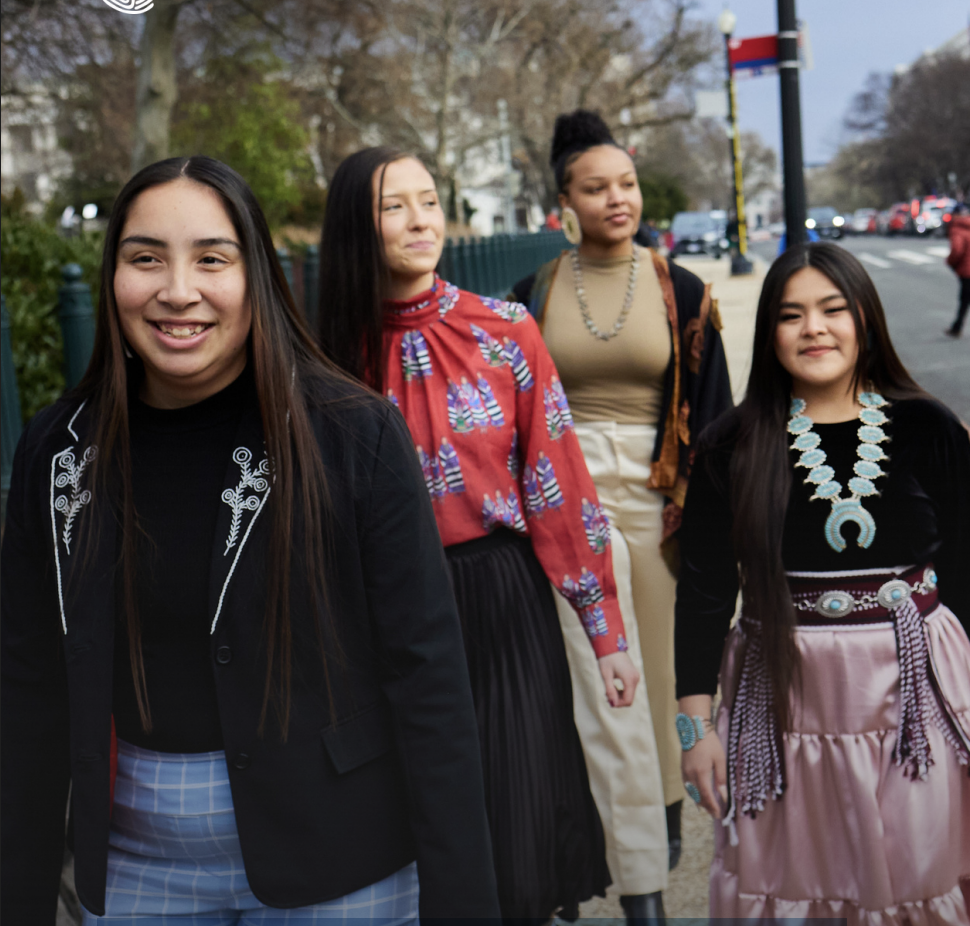
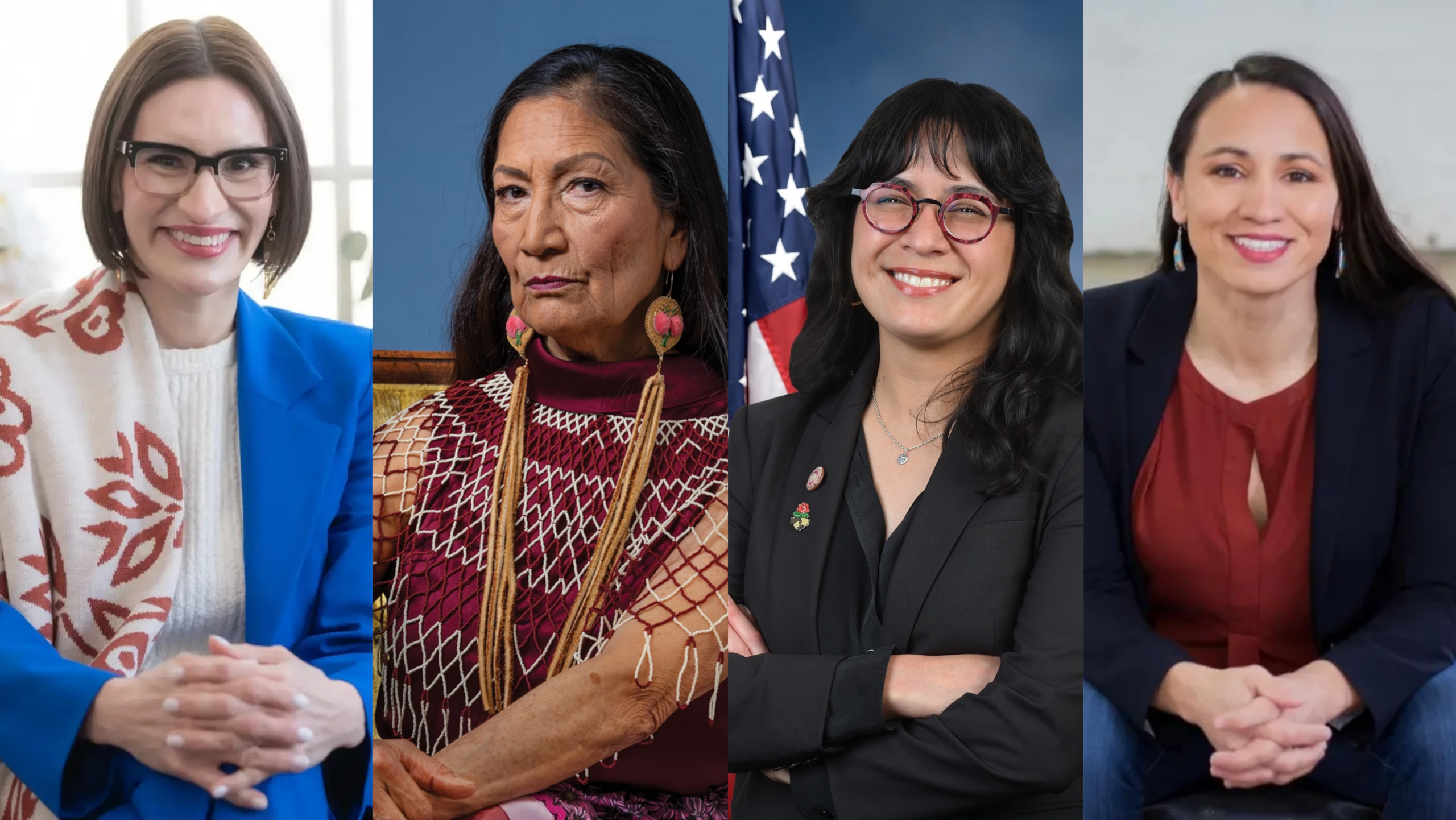
Pictured from left: Peggy Flanagan (White Earth Nation), Deb Haaland (Pueblo of Laguna), Claire Valdez (Ysleta del Sur Pueblo) and Sharice Davids (Ho-Chunk).

Native Women Make History in 2026 Midterm Elections

Native women secured historic victories in the Nov. 3 midterm elections, winning seats in Congress and the governor’s office in Minnesota, New Mexico, New York, and Kansas. In Minnesota, Peggy Flanagan, a citizen of the White Earth Nation, became the first Native woman elected to the U.S. Senate. The Democratic-Farmer-Labor lieutenant governor defeated Republican Michele […]

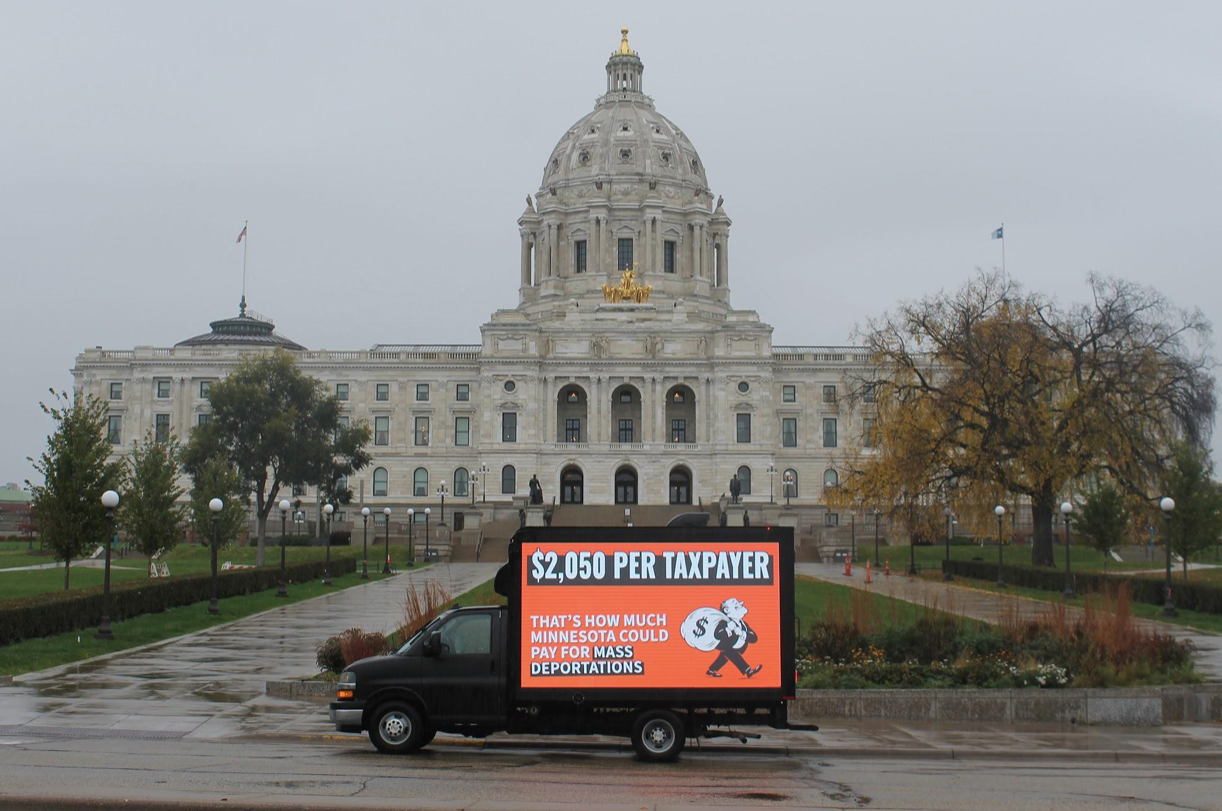
The Cost of Mass Deportations: What’s at Stake for Minnesota’s Native Communities?

Sponsored Content | Minnesota AFL-CIO Mass deportations carry a human cost that cannot be measured in dollars alone. Families are separated, livelihoods are disrupted, and communities are left navigating uncertainty and fear. But beyond the human toll, another question is worth asking: What could our communities gain if those same public dollars were invested in […]

New Report Highlights the Power of Native Youth Leadership in Philanthropy

Native Americans in Philanthropy (NAP) has released its October 2026 Native Youth Grantmakers Impact Report, highlighting how Indigenous youth are reshaping philanthropy through cultural values, leadership, and community involvement. The report centers the experiences of 13 Indigenous youth leaders from the program’s first two cohorts. The program brought together 18 participants representing 28 Tribal Nations, […]

No data was found

Search The Circle

Find stories, columns, events, and magazine features.

Help The Circle Recover & Preserve Native History

FIRE RECOVERY & ARCHIVE PRESERVATION FUND

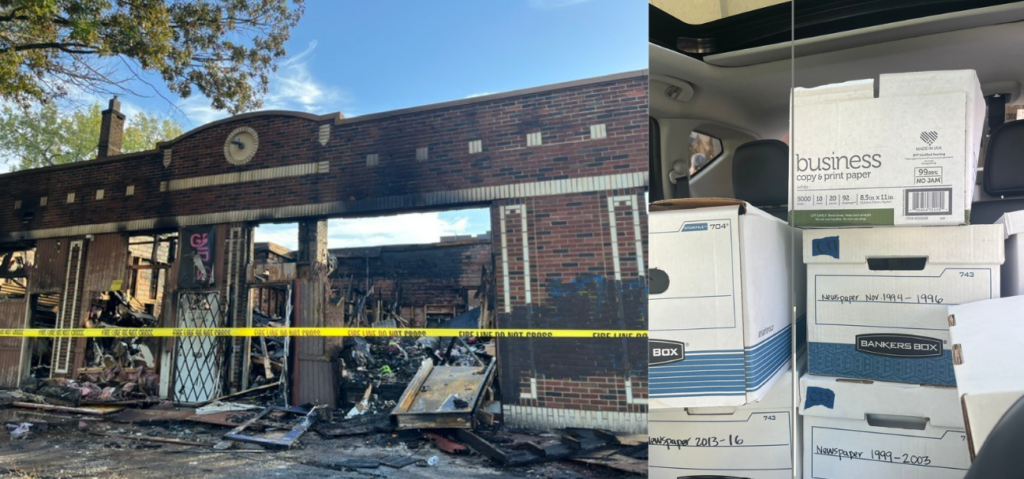
A recent fire at the building housing The Circle’s office has created unexpected challenges for our independent Native newspaper.

Thankfully, with the help of community members, we were able to recover our newspaper archives dating back to the 1980s. These irreplaceable records preserve decades of Native community history, cultural knowledge, and stories.

Your donation will help The Circle recover from the fire, protect our historical archives, and continue sharing Native voices for generations to come.

Every contribution makes a difference.

Pinagigi — Thank you for helping preserve generations of Native stories.