
Sponsored Content | Minnesota AFL-CIO
Mass deportations carry a human cost that cannot be measured in dollars alone. Families are separated, livelihoods are disrupted, and communities are left navigating uncertainty and fear. But beyond the human toll, another question is worth asking: What could our communities gain if those same public dollars were invested in education, health care, and essential services?
For Native American and Indigenous communities in Minnesota, this question carries particular significance. Tribal Nations and urban Native communities continue to advocate for greater investments in education, housing, health care, and programs supporting Native families.
Immigration Enforcement and Indigenous Communities
Immigration enforcement also raises concerns about tribal sovereignty, Indigenous identity, and the rights of Native Americans.
In January 2026, reports emerged that members of the Oglala Sioux Tribe had been detained during federal immigration enforcement operations in Minneapolis. Tribal leaders raised concerns about the treatment of Native citizens, while federal officials disputed aspects of those reports.
These incidents highlighted broader concerns about racial profiling and the recognition of tribal citizenship. For Indigenous peoples whose ancestral homelands existed long before modern international borders, immigration enforcement can raise additional questions about sovereignty and Indigenous rights.
The Economic Cost to Minnesota
The Economic Policy Institute’s Cost of Deportations Calculator provides another perspective by estimating the public dollars allocated to mass-deportation operations and comparing that spending with potential investments in essential services.
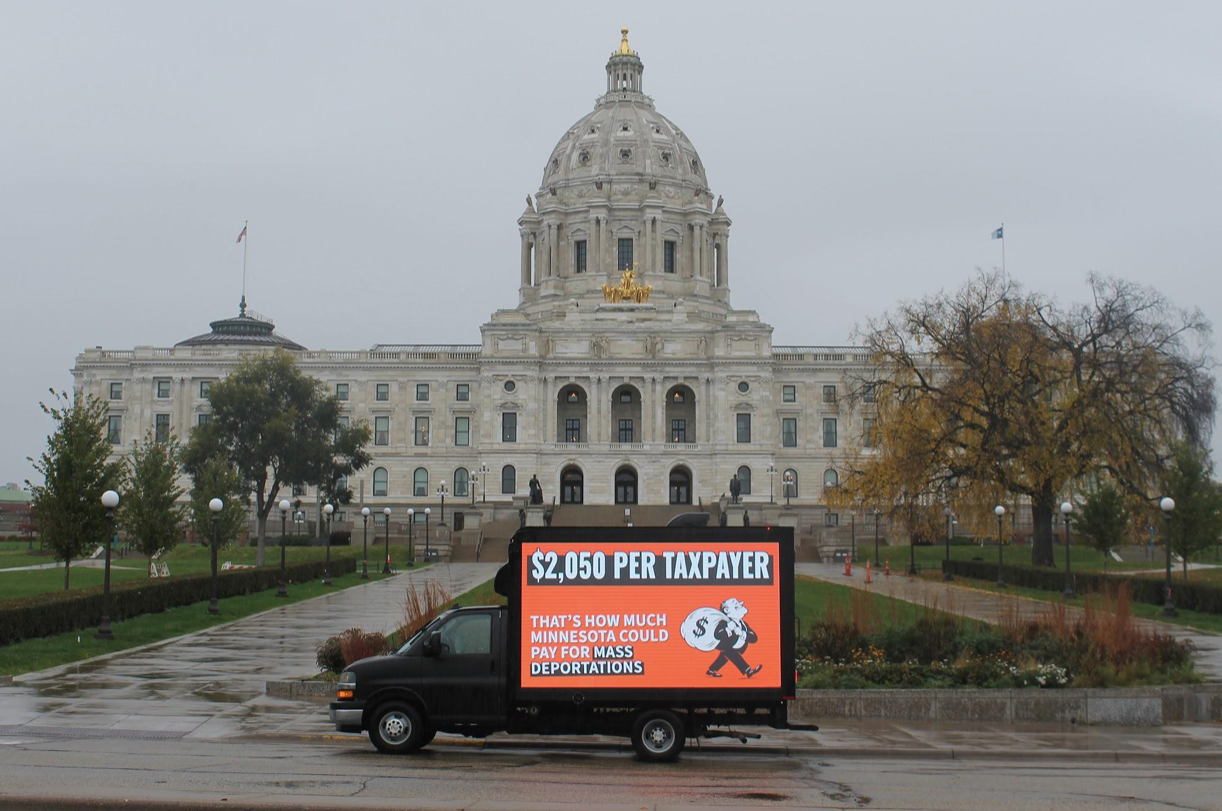
According to the calculator, Minnesota taxpayers’ estimated share of federal mass-deportation spending totals $4.45 billion, based on the state’s share of federal income taxes. That represents approximately $2,050 per federal income-tax filer who owes taxes, including joint filers.
Over the calculator’s roughly two-and-a-half-year comparison period, that amount could alternatively support:
- 14,963 elementary school teachers
- 11,623 registered nurses
- Medicaid coverage for 130,101 people
- 105,139 Head Start slots
Each figure represents a separate funding alternative and should not be added together.
What Could These Investments Mean for Native Communities?
For Native communities across Minnesota, investments in education, health care, and family services could help address longstanding disparities and strengthen programs supporting tribal citizens.
Additional education funding could expand opportunities for Native students, including culturally responsive learning environments and early childhood programs. Greater health care investments could improve access to services for Native families, while increased community resources could help address housing instability, food insecurity, and other challenges.
Although the calculator’s figures do not represent funding specifically earmarked for Tribal Nations or Native-serving organizations, they illustrate broader choices about federal spending priorities.
For communities that have long advocated for adequate resources and fulfillment of federal trust and treaty responsibilities, these priorities deserve attention.
The costs of mass deportations extend beyond federal budgets. They affect families, communities, and livelihoods. Examining these costs raises an important question: What could we accomplish if we invested more public resources in helping our communities thrive?
Explore the Economic Policy Institute’s Cost of Deportations Calculator:
https://www.epi.org/deportation-calculator/
This article is sponsored by the Minnesota AFL-CIO.