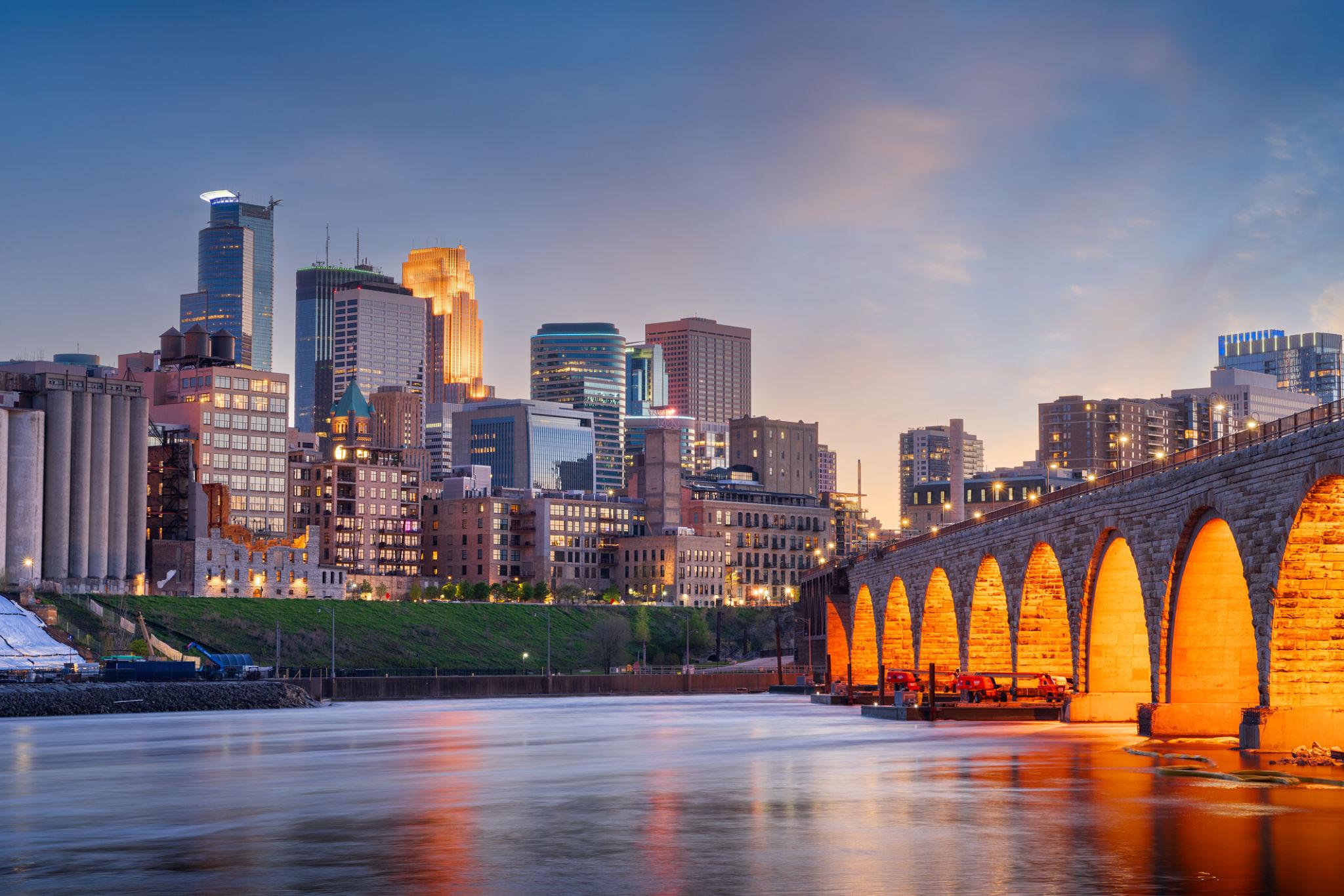


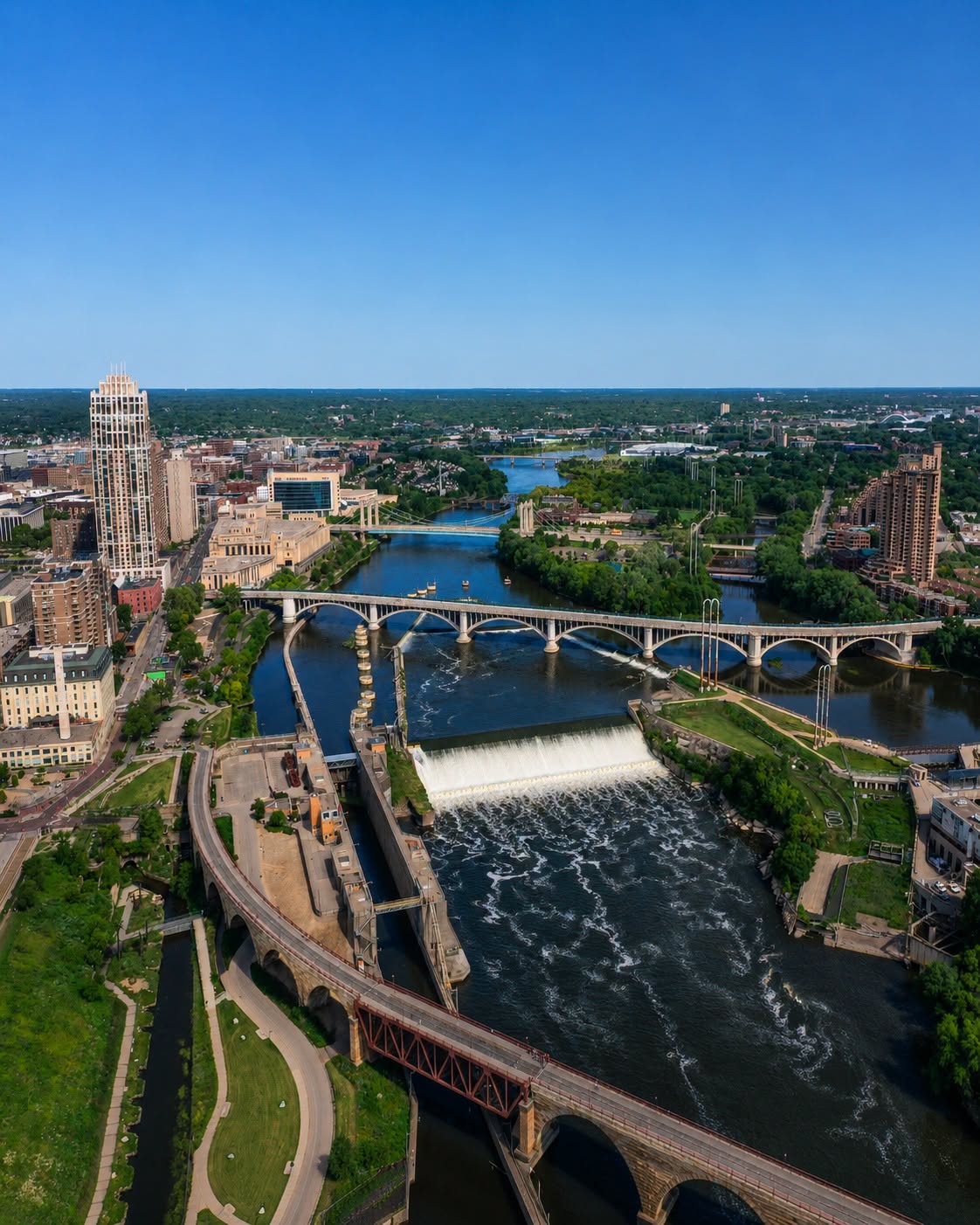
MINNEAPOLIS — Along Ȟaȟá Wakpá, the Mississippi River, a Dakota-led effort is working to restore land, culture, and community connection at Owámniyomni, commonly known as St. Anthony Falls.
For Dakota people, Owámniyomni, meaning “turbulent waters,” has long been a sacred place for ceremony, gathering, trade, and offerings. Nearby Wíta Wanáǧi, or Spirit Island, was a place where Dakota people came to give birth. The site is part of a larger network of sacred places connected by water throughout Dakota homelands.
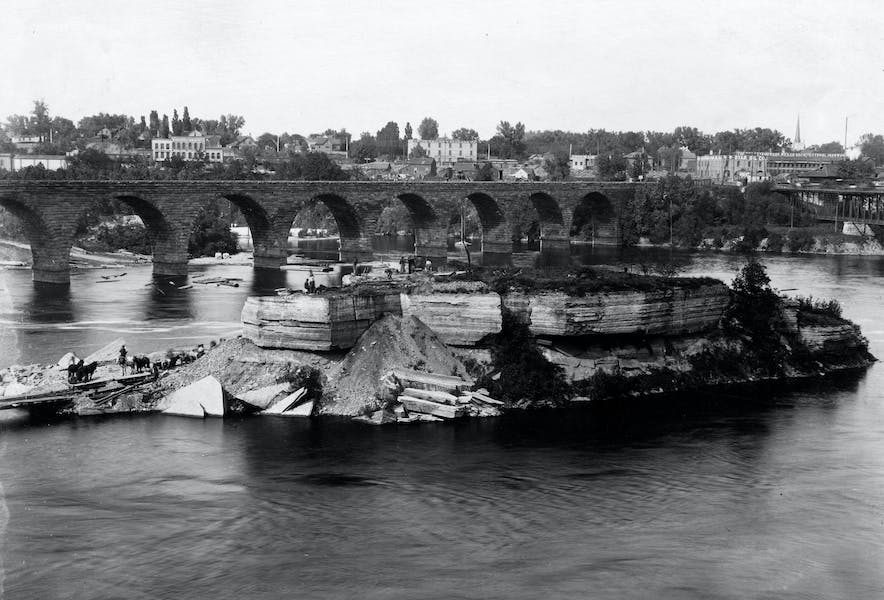
Colonization and industrial development dramatically changed the area. The Falls, once more than 1,250 feet wide, were altered for milling and other development, while Wíta Wanáǧi was mined for limestone.
Today, Owámniyomni Okhódayapi is working to transform five acres near the Upper Lock into a place of restoration, education, healing, and connection. The Dakota-led nonprofit has a Native American-majority board and works with the four Dakota Tribal Nations in Mní Sóta: C̣aƞṡayapi, Shakopee Mdewakanton, Pežihutazizi Kapi, and Tinta Wita.
The organization says centering Dakota leadership creates opportunities for Dakota people to reconnect physically and spiritually with Owámniyomni while making Dakota people, history, and values more visible in their homelands.
On Oct. 10 from 3–5 p.m., Owámniyomni Okhódayapi will host its Good Relatives Series: Mitákuye Owás’iŋ, featuring a panel discussion and community meal exploring what it means to treat plants, animals, land, water, and people as relatives.
Source: Owámniyomni Okhódayapi — owamniyomni.org