

By Dan Gunderson/MPR
A national organization based in Minnesota is kicking off a new 10-year plan to bring attention to a dark chapter in U.S. history – and it’s just gotten the funding to put the plan into action.
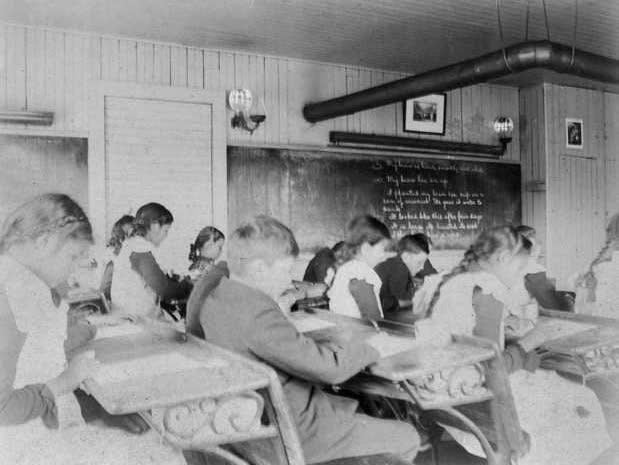
Between 1869 and the 1960s, it’s estimated hundreds of thousands of Native American children across the country were removed from their families and sent to government boarding schools.
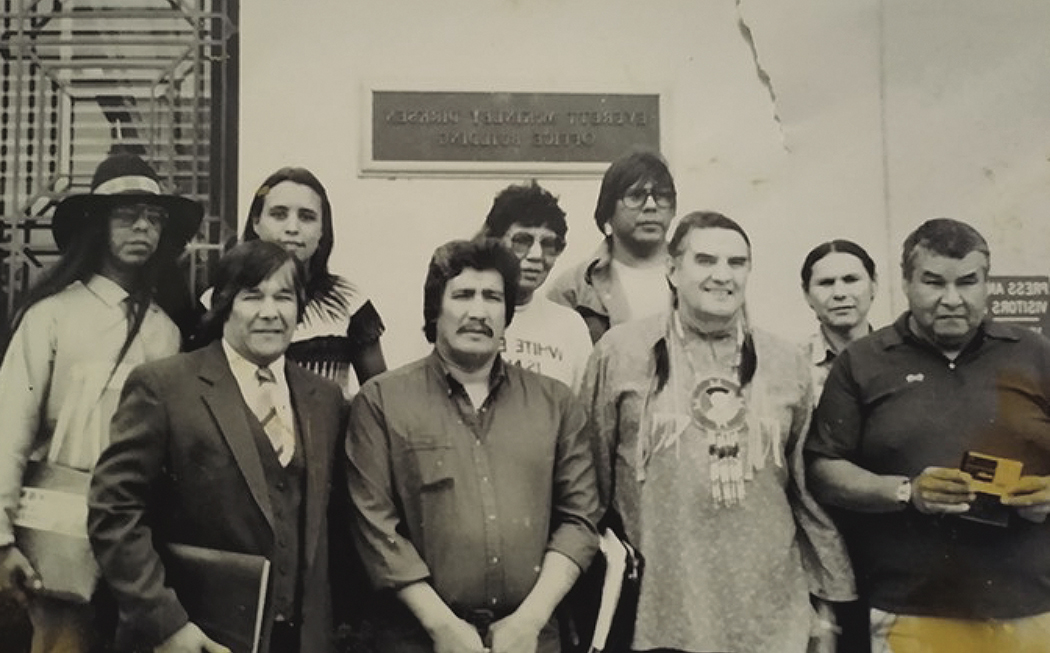
The National Native American Boarding School Healing Coalition formed in 2012 to seek justice and healing for those children and their descendants.
“All the other countries who had policies to take Indigenous children – like Canada, Australia, New Zealand – all those countries have acknowledged it and apologized and done some kind of reconciliation or reparations, except for the United States of course, where in this country most people don’t even know that this was part of our history,” said executive director Christine Diindiisi McCleave.
A $10 million grant from the Kendeda Fund will support a new 10-year plan focused on education, advocacy and healing.
Children sent to boarding schools were not allowed to speak their language or practice their traditional culture. And in many cases, they suffered physical and sexual abuse that left lifelong scars, said Diindiisi McCleave.
“And as adults they grow up to have certain outcomes, such as mental health issues, depression and anxiety, but even physical health impacts such as higher rates of heart disease, obesity, diabetes and all of these things lead back to childhood trauma,” she said.
While Diindiisi McCleave is not hopeful the U.S. government will acknowledge the trauma caused, or apologize for its boarding school policy, she says the kind of education and advocacy the coalition does is important.
“There are healing moments through that process of raising awareness. As we advocate for the right to the truth, that is an act of empowerment which then supports our healing,” said Diindiisi McCleave. “It took generations for us to get where we’re at with many of the issues that we face in our communities around the country, and it will take generations for us to heal.”
One of the organization’s top priorities is simply finding records about the 357 government boarding schools that researchers have identified.
But still, there are many questions: “How many children went to those schools and where did those children come from?” said Diindiisi McCleave. “What tribal nations were they citizens of? What happened to those children? How many of those children died, how many of those children ran away or went missing?”
The federal government has not responded to the organization’s request for records about the government-run boarding schools, she said.
Are boarding schools part of your family history? MPR News reporter Dan Gunderson would like to hear from you, at: dgunderson@mpr.org.
Minnesota Public Radio News can be heard on MPR’s statewide radio network or online.