About 100 of the nation’s best recent college graduates in fields such as law and business will be teaching this fall at schools on the Pine Ridge and Rosebud Indian reservations.
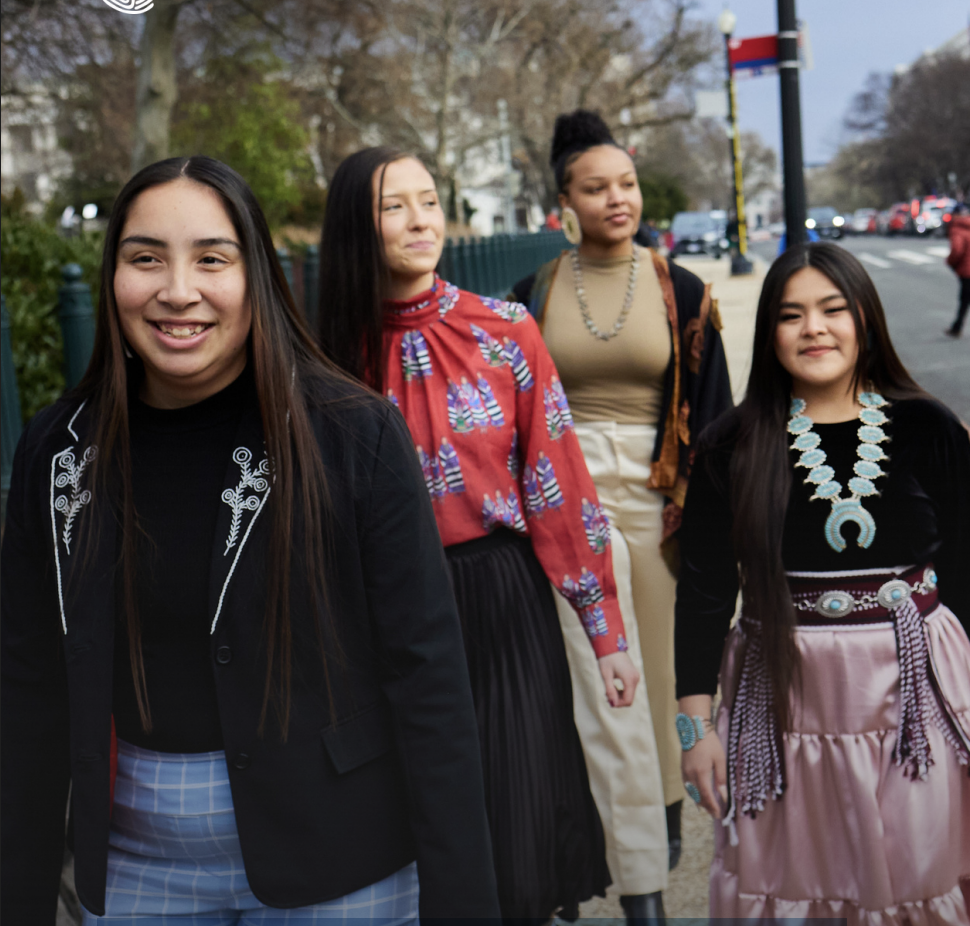
But only a few of Teach For America’s short-term teachers will look like the students in their classrooms. The organization hopes to change that with new movement to serve more Native American students and recruit more of them to teach.
“When a student is able to see a bit of themselves in the teacher … it’s just a different level of connection,” senior recruitment director Patrick Herrel said.
Teach For America is in its seventh year in South Dakota. The organization recruits high-achieving college graduates from fields outside of education to teach in a high-needs area. Some remain in education, but most leave after their two years are up.
The 2010-11 school year marks the beginning of TFA’s Native American Initiative. By 2015, the group aims to increase the number of Native students served each year from 11,000 to 56,000. Officials say corps members who teach on reservations leave as advocates who understand the challenges those children face.
At the same time, recruiters are building relationships with tribal officials, college faculty and professional organizations in hopes of drawing more Native American graduates into TFA.
Nationwide, TFA will place 24 new Native American teachers next year, nearly double last year’s number. But only three of those 24 decided to teach at a reservation school – two in New Mexico and one in South Dakota at St. Francis Indian School.
Herrel said that because TFA recruits nationally, they’ll find college students who grew up on an Oklahoma reservation and feel no connection with particular tribes in other states. Still, TFA officials would like to see more Native teachers choosing reservation schools.
Catherine Pozniak, TFA South Dakota’s executive director, said it can be inspiring for reservation students to sit in a classroom with a TFA teacher who also is Native American.
“Teachers who share an identity with their students can be very positive role models for what’s possible for them,” she said.
With the help of a grant, the University of South Dakota is working toward that same end by offering scholarships to minority students who want to become career teachers.
Todd County Schools Superintendent Margo Heinert said TFA provides good teachers but she prefers to hire locals looking to start a career.
She first looks to area tribal colleges when hiring because those teachers tend to stay longer. She then recruits at job fairs before looking to TFA to fill open teaching positions. Todd County will have six new TFA staff next year, down from 15 last year.
Despite giving priority to graduates of schools such as Sinte Gleska University, Heinert said Todd County’s teaching staff is only about 25 percent to 30 percent Native American. She likes the idea of TFA be bringing more Native teachers to her district.
“It would be great,” she said.
Minnesota Public Radio News can be heard on MPR’s statewide radio network or online.