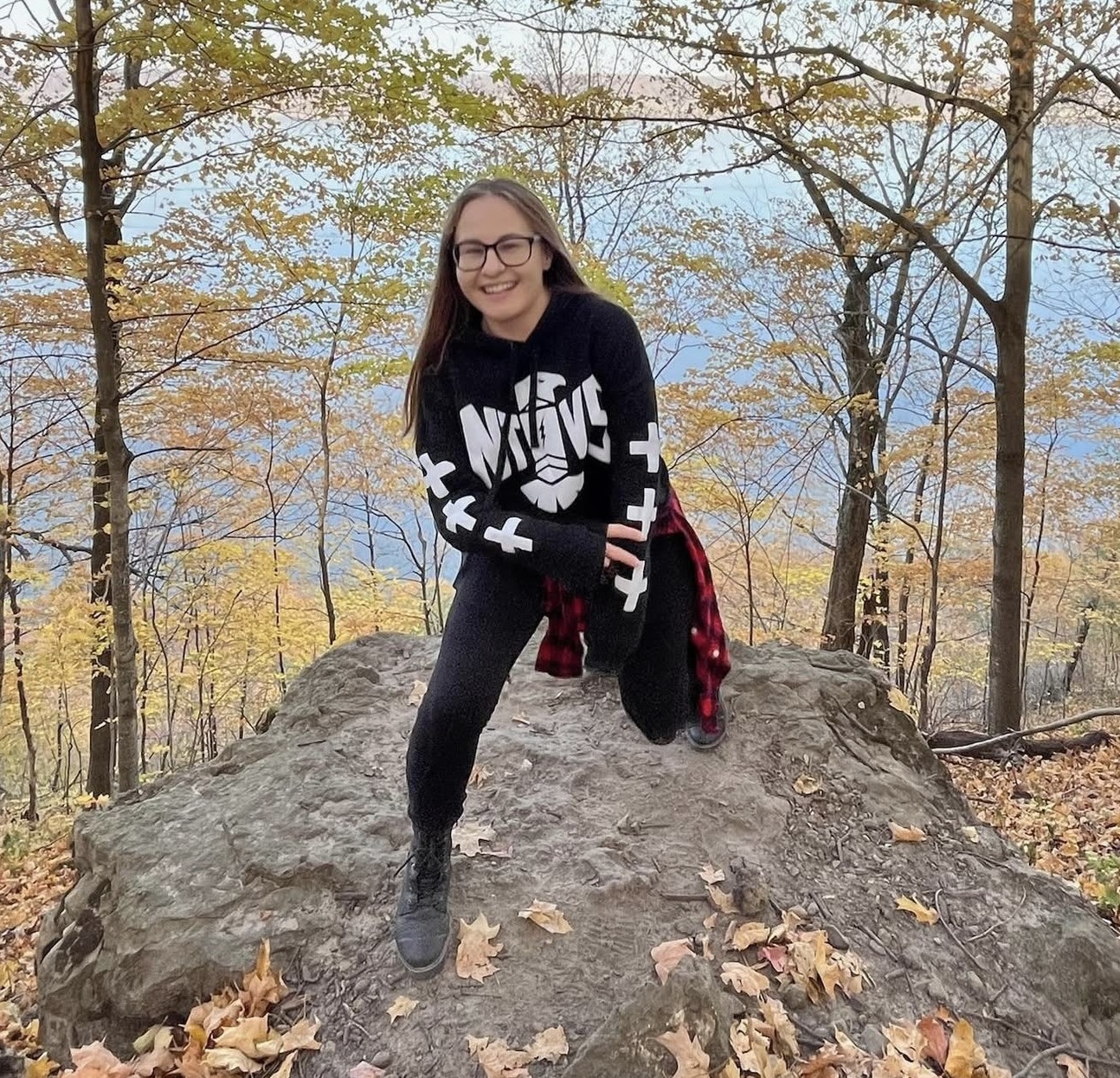
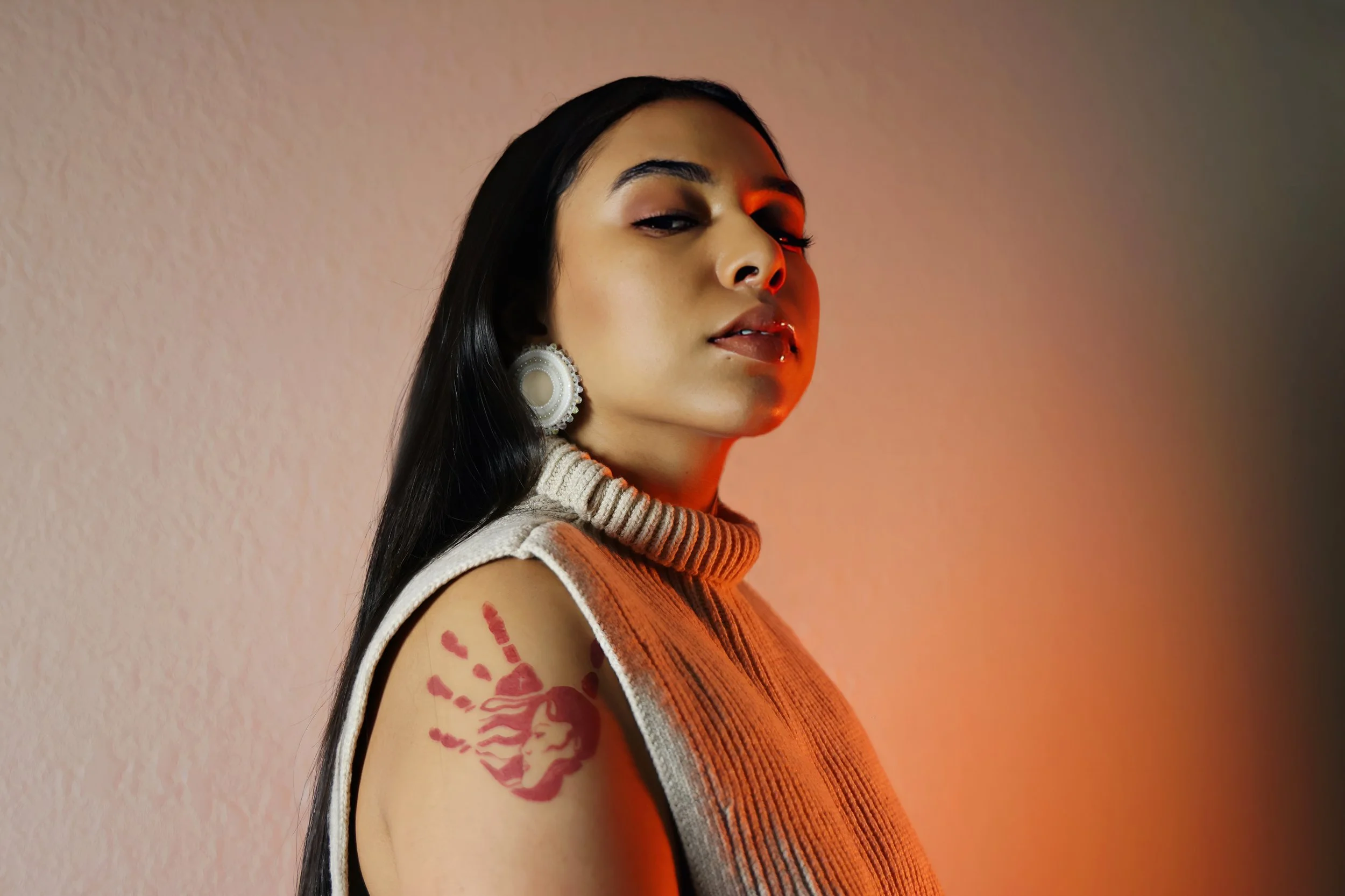
Oglala Lakota hip-hop artist Stella Standingbear brought Indigenous music and representation to the national sports stage on November 4, performing during halftime of the Oklahoma City Thunder’s Native American Heritage Night at Paycom Center.
Standingbear performed before thousands of basketball fans during the Thunder’s matchup against the Cleveland Cavaliers, marking another milestone in her growing music career and highlighting contemporary Native artists in mainstream entertainment.
The performance was her second NBA halftime appearance, following a previous performance for the Phoenix Suns. Standingbear has described herself as the first solo Native American female hip-hop artist to headline halftime performances for both teams, although that distinction has not been independently verified.
“Every time I step into these spaces, I carry my people with me,” Standingbear said in a statement following the performance. “I’m truly honored to have the support of Indian Country. They’re the ones who helped get me here.”
Breaking Barriers in Music
Standingbear has gained national attention as an independent Indigenous artist, blending hip-hop, R&B, and pop while incorporating themes of perseverance, identity, and empowerment into her music.
Her remix of “Mmhmm,” featuring Houston rapper Paul Wall, spent nine weeks on Billboard’s Rhythmic Airplay chart, peaking at No. 31. The achievement marked another breakthrough for the artist, who has continued building her career without major-label backing.
Standingbear is also a two-time Native American Music Award winner and recently completed her first headlining Off the Rez Tour, performing across the United States and Canada.
On October 29th, she released her latest five-track EP, Rap Star 2, continuing a year of milestones that has brought her music to increasingly larger audiences.
Celebrating Native American Heritage Month
Standingbear’s performance was part of the Oklahoma City Thunder’s annual Native American Heritage Night, recognizing the histories, cultures, and contributions of Native people, including Oklahoma’s 39 tribal nations.
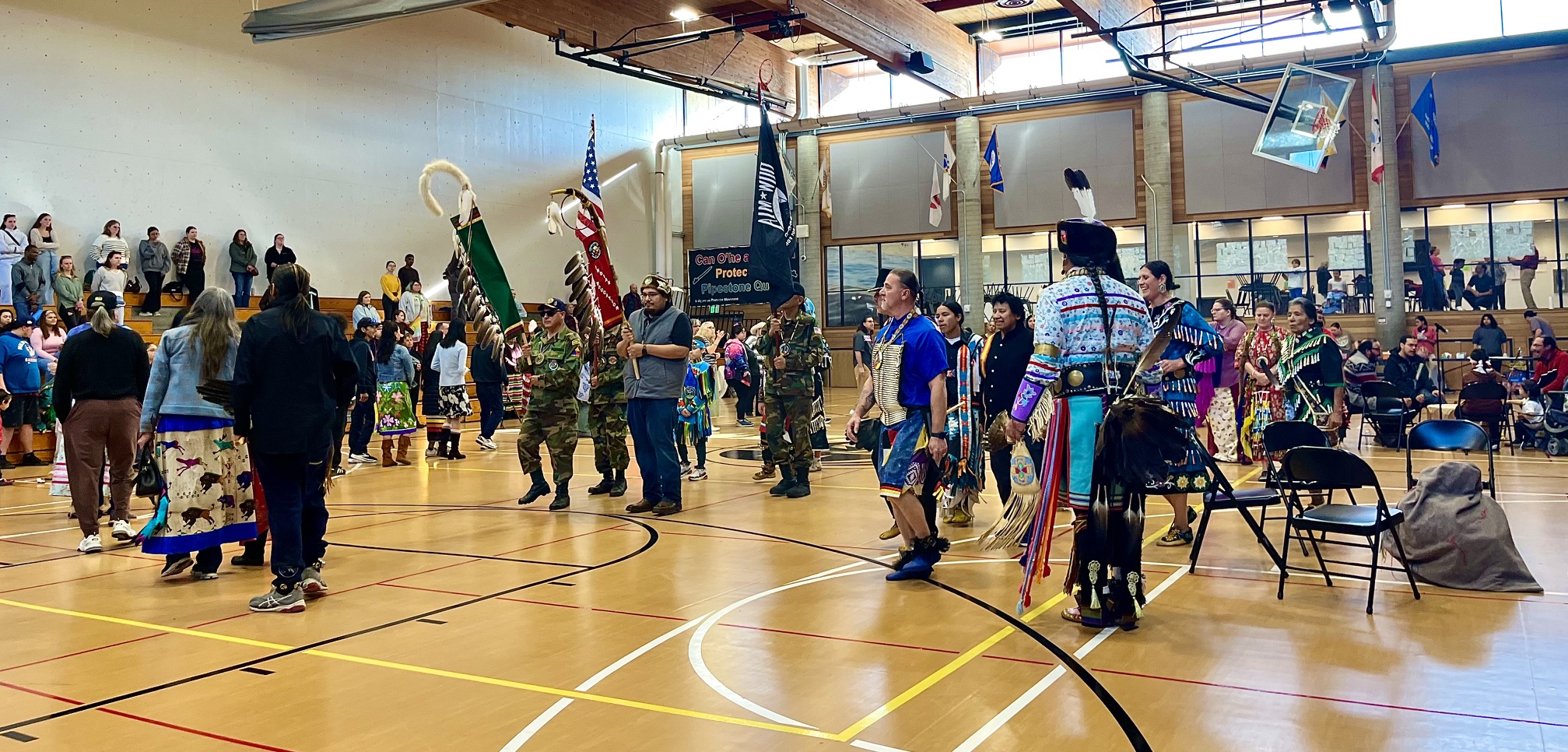
The evening featured an invocation by Gary Whitecloud of the Otoe-Missouria Native American Church, the Oklahoma City Public Schools Native American Student Color Guard and appearances by tribal representatives.
Earlier that day, the Thunder also hosted its seventh annual Native American Student Day, welcoming approximately 2,000 students from Oklahoma tribal nations for educational programming and activities.
The event highlighted Native representation both on and off the basketball court, bringing Indigenous artists, community leaders and young people together during Native American Heritage Month.
For Standingbear, the performance represented more than another career accomplishment.
“I hope young Indigenous kids can see themselves in these spaces and know that they belong there, too,” she said.
As Indigenous artists continue to gain visibility in mainstream music and entertainment, Standingbear’s NBA performances show the growing opportunities for Native voices to reach audiences beyond Indian Country.
Sources: