

By Brad Hagen
The Minnesota Historical Society (MHS), an institution dedicated to preserving the history of Minnesota, is now accepting applications for the Native American Undergraduate Museum Fellowship (NAUMF), a ten-week long paid program with the aim of exposing undergraduate students to the inner workings of museums and possible career opportunities within the field. Due to the COVID-19 pandemic, this internship will begin virtually with the possibility of concluding in person later in the summer.
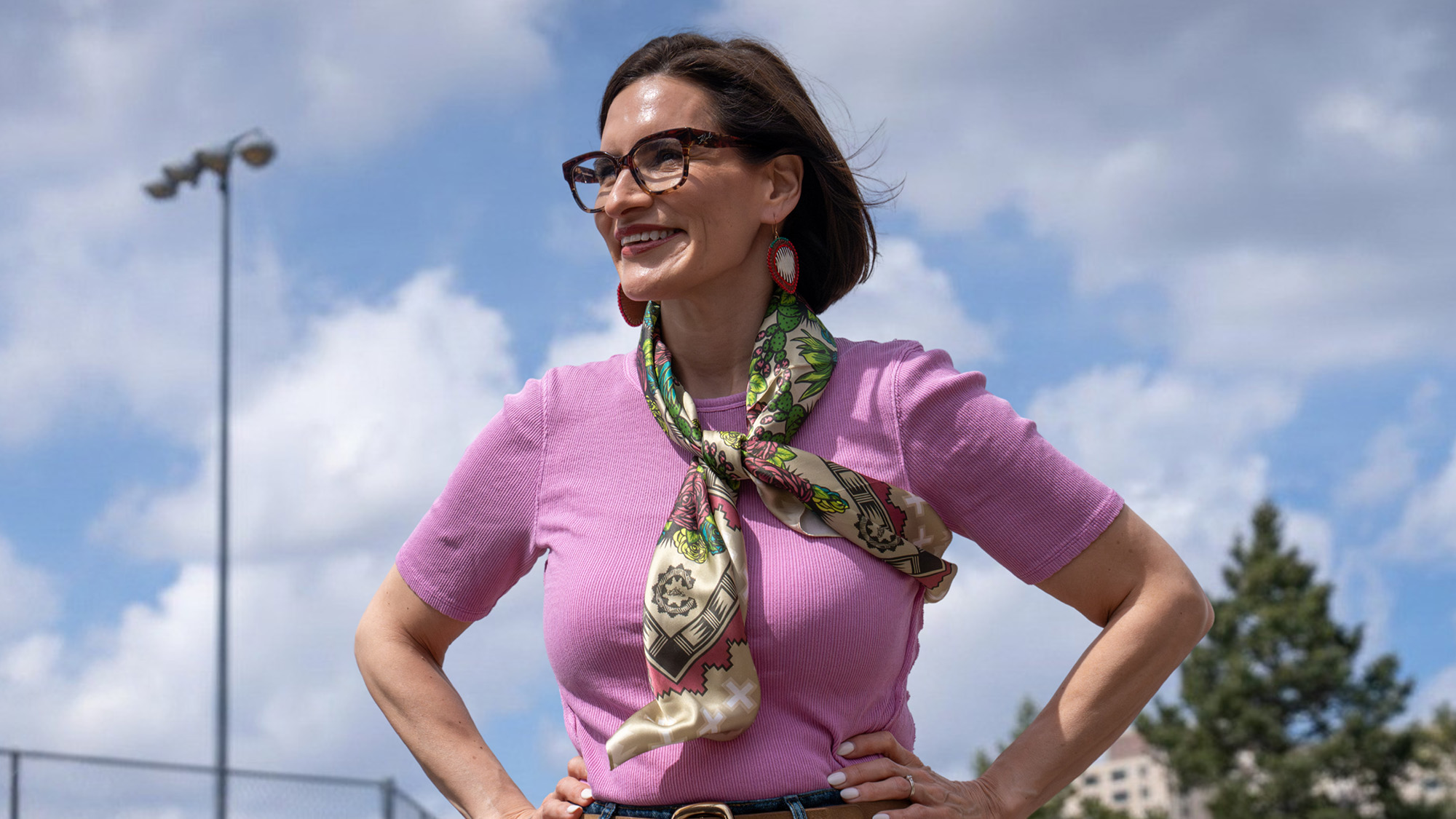
Since first contact, negative narratives about Native Americans have been used as a tool to oppress Native peoples and further the settler-colonialist agenda of land theft and assimilation. These narratives have historically been held at museums, where Indigenous peoples have often been portrayed as primitive. For Amber Annis (Cheyenne River Lakota), program and outreach manager in the Native American initiatives department at MHS, this fellowship acts as a step toward rectifying these wrongdoings. By participating in this fellowship, Annis says, “We’re telling our own stories [and] we’re in control of the narratives that leave this institution. And that’s the most important part.”
In addition to perpetuating false narratives, museums have historically taken into their possession many cultural artifacts deemed important and sacred by the nations they belong to, and have often refused to return them. There are even cases of museums holding the bones of our ancestors.
Because of this history, some Native people have a certain level of distrust when it comes to such places. Annis says that MHS was conscious of this when the NAUMF was created. “We want to mend those sorts of feelings that Native people might have toward museums and help change the narrative in a way that addresses that history, but also in a way that compliments the resiliency and the strong work that Native organizations are doing within the Twin Cities, that Native nations are doing, and the work that MHS is doing. We want to show that, at the end of this, we’ve flipped the script, and that we’ve taken control of our narrative.”
The first three weeks of the NAUMF is dedicated to seminars, workshops, and guest speakers, the majority of which will be focused on this fraught history, as well as potential career paths in museums.
Annis said, “We’re going to learn from different folks all across the historical society about what it means to work in a museum. We’re going to learn from tribal historic preservation officers and what the work they do is.”
The following seven weeks will then be spent conducting the actual internship. “[It’s] designed to engage and expose the students to those opportunities that exist within the museum, the cultural resources, public history, and the tribal historic preservation fields,” she added.
In terms of the actual work that will be done, Annis said that there are a variety of projects available for students to work on. “We really want to match the students’ interests with the various projects that we have available. The first three weeks are really going to be our moment to say, ‘what do you want to learn?’ and at the end of the three weeks, they’ll be given a list of what they can work on.”
Some of the projects available to students will be ones working with the archeology and Native initiatives departments, as well as a permanent exhibit titled “Our Home” housed at the Minnesota History Center in St. Paul, which contains a rotating gallery that students will work on. In regard to this exhibit, Annis says, “[It’s] really a community-centered space. Part of the project for some of the students will be asking what you want to see in this space? What stories can be told? What do you think is important? What’s missing?”
These are just a small sample of the many opportunities that the NAUMF will offer undergraduate students. In addition to acquiring experience working in a museum setting, the NAUMF will also give students many skills. Annis says, “Something that we [MHS] really think about is, when they leave here, what are the things we hope that they have gained? A large part of that is professional networking and engagement. It’s so important in the work that we do.”
Something else Annis hopes students will get out of the fellowship is a better understanding of the multiple dimensions of working in a museum. “Sometimes people think, ‘I don’t want to work in a museum because I don’t want to work in exhibits or collections,’ [but] there’s a whole world within a museum that doesn’t involve just those things. We do a lot of public history and community engagement. We want students to leave with a better understanding of what it means to work in a museum and how important their voices and perspectives are.”
About the internship application: Priority deadline is March 26; Application materials must be submitted or postmarked no later than April 5; Screening and interviewing is April 12-16; Confirmation of selection is April 23; Tentative program run dates are June 4 through August 13, 2021.
If you’re interested in applying to this fellowship, more information can be found at: https://www.mnhs.org/internships/fellows/native-american.