

By Lee Egerstrom
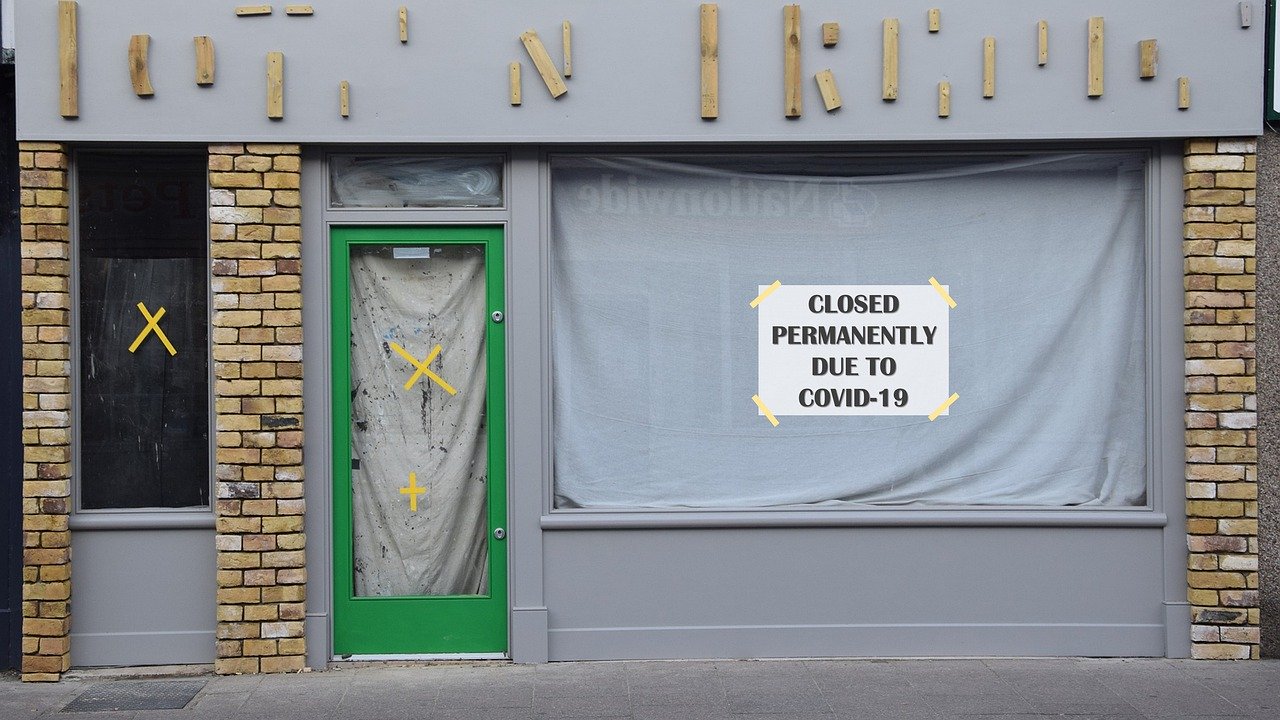
There has been a partial recovery from the massive unemployment that followed the closing of businesses and industries this spring when the COVID-19 pandemic hit Minnesota and most of the country.
That is only modest good news. Native Americans are still disproportionately jobless.
These are findings by researchers at the Federal Reserve Bank of Minneapolis from first-half surveys of unemployment data. Looking back, Native unemployment rose from 7.1 percent in February to 26.3 percent in April when all but the most essential businesses and services were shut down to prevent the spread of the virus.
With gradual re-openings of businesses and services, however, Native unemployment dropped to 12.4 percent in June – a big improvement even with the regional and national economies in recession.
Donna Feir, Center for Indian Country Development (CICD) research economist at the Minneapolis Fed, and Charles Golding with the bank’s Community Development and Engagement department, traced employment and economic changes through the first half of the year. It was published on Aug. 5.
Native American employment was hardest hit among racial groups by the pandemic and early prevention policies. Black American employment now still lags behind general job recoveries for various racial groups.
These findings come as tribal governments are re-opening their large hospitality and entertainment venues, even at partial business capacity. Other businesses are following similar safety guidance to re-open businesses and services.
For Native entrepreneurs with still shuttered businesses, and others who think starting a new business might be timely to escape COVID economic impacts, Minnesota offers extensive information and guidance at its Stay Safe Minnesota website.
It spells out how to create a COVID-19 Preparedness Plan with protocols and guidance from the Minnesota Department of Health and the federal Center for Disease Control and Prevention (CDC) and Occupational Safety and Health Administration (OSHA).
“As we return to work and activities we enjoy, we have a shared responsibility to look out for each other and save lives,” the site reminds all.
The site says preparedness plans are needed to identify and assist sick workers and make sure they stay home, establish proper protocols for social distancing, have worker hygiene and source controls (such as face masks), and meet workplace building and ventilation protocols.
Preparedness plans also require workplace cleaning and disinfecting protocols, drop-off, pick-up and delivery protection and protocols; and communications and training practices and protocols.
Some of this may seem burdensome. Much of this gets handled by communications – which shouldn’t be a problem in most small, Mom & Pop type businesses that have only a handful or fewer employees.
The Stay Safe Minnesota site offers specific guidance for the restaurant and bar businesses, personal care and salon businesses, retail businesses, outdoor recreation entities, entertainment venues, food and agriculture businesses, construction, manufacturing, drive-in and vehicle gatherings, grocery and convenience stores, custodial and janitorial businesses, the transportation, distribution and delivery businesses and for gyms, studios and fitness centers.
For service providers, the site also offers specific guidance for places of worship, schools and child care, health care facilities, organized sports, and behavioral health and disability services.
Links to the state guidance include https://staysafe.mn.gov and https://staysafe.mn.gov/industry-guidance/all-businesses.jsp.
The Minneapolis Fed Native employment report is available at https://www.minneapolisfed.org/article/2020/native-employment-during-covid-19-hit-hard-in-april-but-starting-to-rebound.