No data was found

Supreme Court upends tribal and federal understandings of IRA

Share :
Facebook
X
No data was found

WASHINGTON – The Supreme Court has ruled in Carcieri v. Salazar

that tribes not under federal jurisdiction as of 1934 cannot follow a

longstanding land into trust process administered by the U.S.

Department of the Interior. The ruling, which results from a suit

involving the Narragansett Indian Tribe of Rhode Island, is at odds

with many tribal, federal and legal understandings of the Indian

Reorganization Act.

Tribal

and federal lawyers said the decision will likely lead to legal

questions over the validity of tribal lands taken into trust by the

interior for tribes since the IRA was passed in 1934. And tribes not

acknowledged until after 1934 with pending or future fee-to-trust

applications will now have to prove they were under federal

jurisdiction in 1934.

The decision could result in several

states filing lawsuits trying to gain lands that have been taken into

trust for dozens of tribes recognized after 1934. Such attempts would

likely prove unsuccessful, as lawyers have noted that the federal Quiet

Title Act does not allow challenges to federal land acquisitions after

the fact, except in limited circumstances that do not appear applicable

in this case.

In Carcieri, Rhode Island did not want

the Narragansett Tribe, recognized in 1983, to be able to utilize 31

acres of land placed into trust by the interior. The tribe said it

wanted to use the land to create a housing development, but state

officials expressed concern that it could pursue a casino in the future.

Read the rest…

Read the actual Supreme Court Ruling (PDF)

This reporting is made possible by readers like you.

The Circle is a nonprofit newsroom with no tribal affiliation, no corporate ownership, and no paywall. Independent Native journalism depends on reader support.

Advertisement

RWRE-Battery-Digital_1000x2110

Recent Stories

Advertisement

NOV-JAN Federal Changes Ad (1080 x 1080 px) - The Circle (1)

More From LatestNews

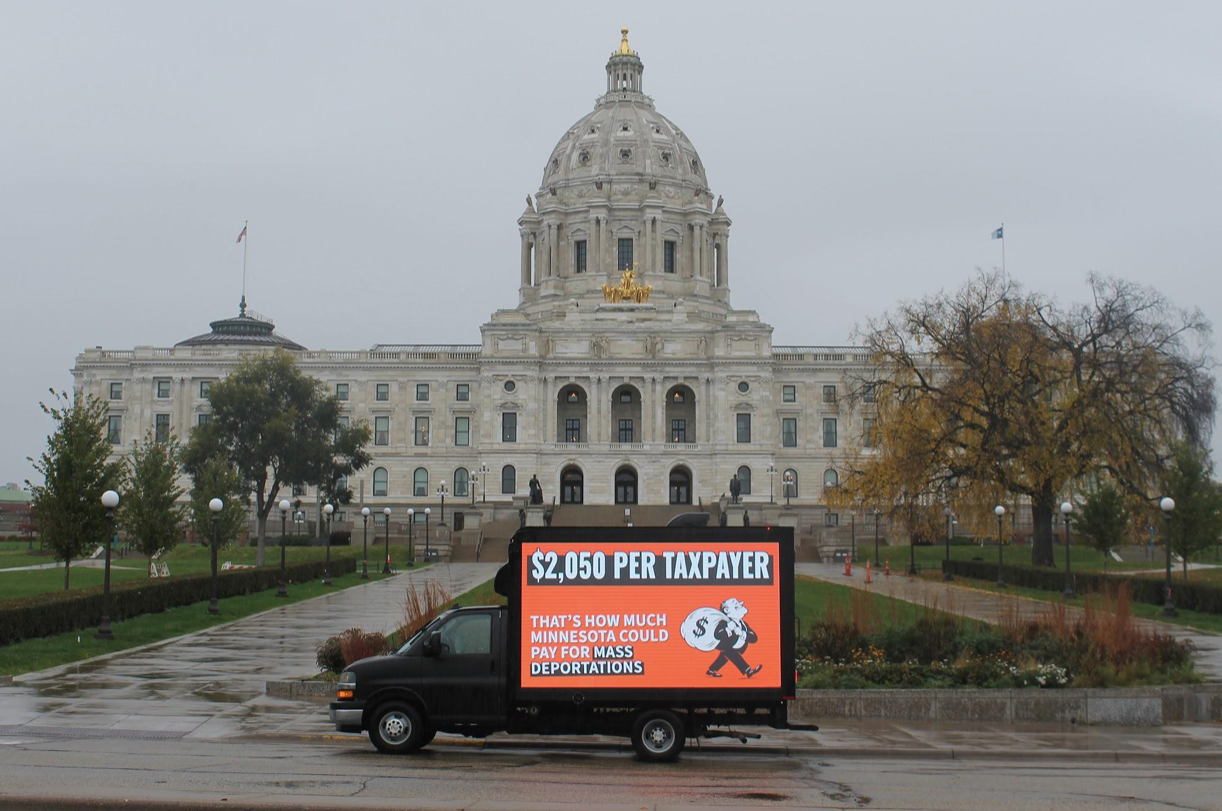
The Cost of Mass Deportations: What’s at Stake for Minnesota’s Native Communities?

Sponsored Content | Minnesota AFL-CIO Mass deportations carry a human cost that cannot be measured in dollars alone. Families are separated, livelihoods are disrupted, and communities are left navigating uncertainty and fear. But beyond the human toll, another question is worth asking: What could our communities gain if those same public dollars were invested in […]

New Report Highlights the Power of Native Youth Leadership in Philanthropy

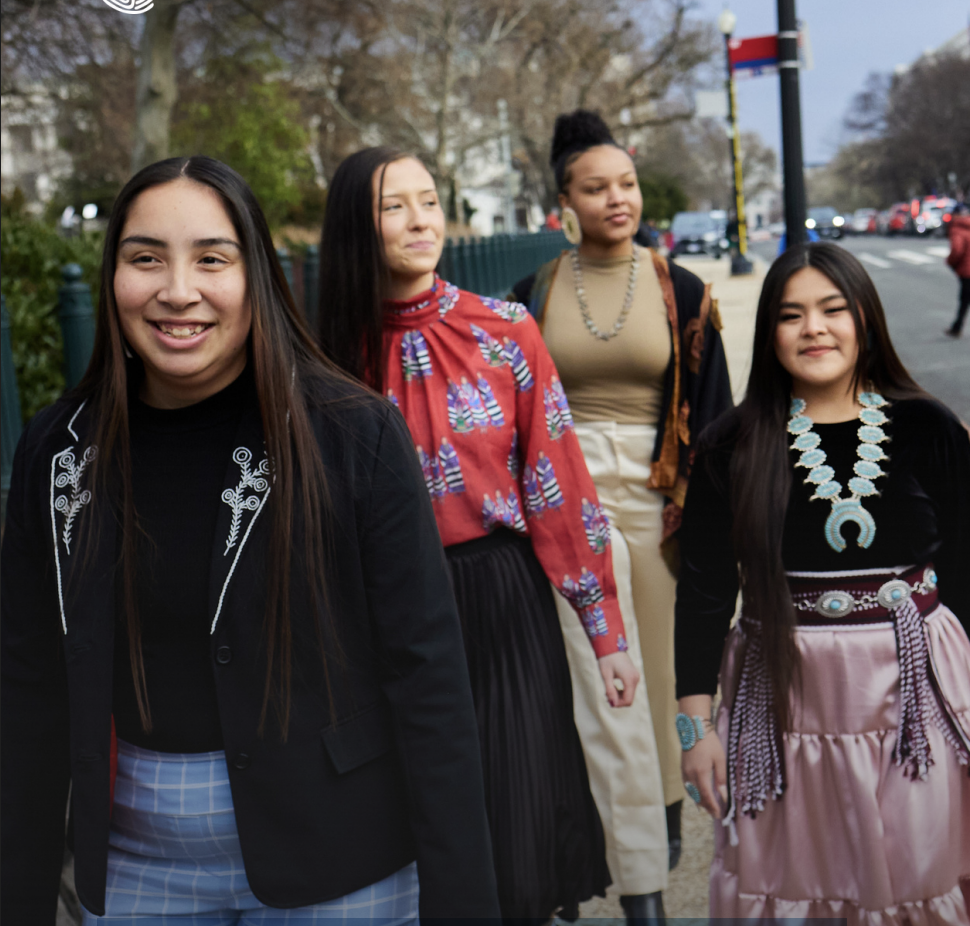
Native Americans in Philanthropy (NAP) has released its October 2026 Native Youth Grantmakers Impact Report, highlighting how Indigenous youth are reshaping philanthropy through cultural values, leadership, and community involvement. The report centers the experiences of 13 Indigenous youth leaders from the program’s first two cohorts. The program brought together 18 participants representing 28 Tribal Nations, […]

Family’s Push for Justice Leads to Murder Charge in Allison Lussier’s Death

More than two years after Allison Lussier was found dead in her Minneapolis apartment, prosecutors have charged her former boyfriend with murder, crediting her family and community’s continued demands for accountability. Charles Henry Foss, 36, was charged Oct. 22 with second-degree unintentional murder and stalking in the death of Lussier, a 47-year-old Indigenous woman. He […]

No data was found

Search The Circle

Find stories, columns, events, and magazine features.

Help The Circle Recover & Preserve Native History

FIRE RECOVERY & ARCHIVE PRESERVATION FUND

A recent fire at the building housing The Circle’s office has created unexpected challenges for our independent Native newspaper.

Thankfully, with the help of community members, we were able to recover our newspaper archives dating back to the 1980s. These irreplaceable records preserve decades of Native community history, cultural knowledge, and stories.

Your donation will help The Circle recover from the fire, protect our historical archives, and continue sharing Native voices for generations to come.

Every contribution makes a difference.

Pinagigi — Thank you for helping preserve generations of Native stories.