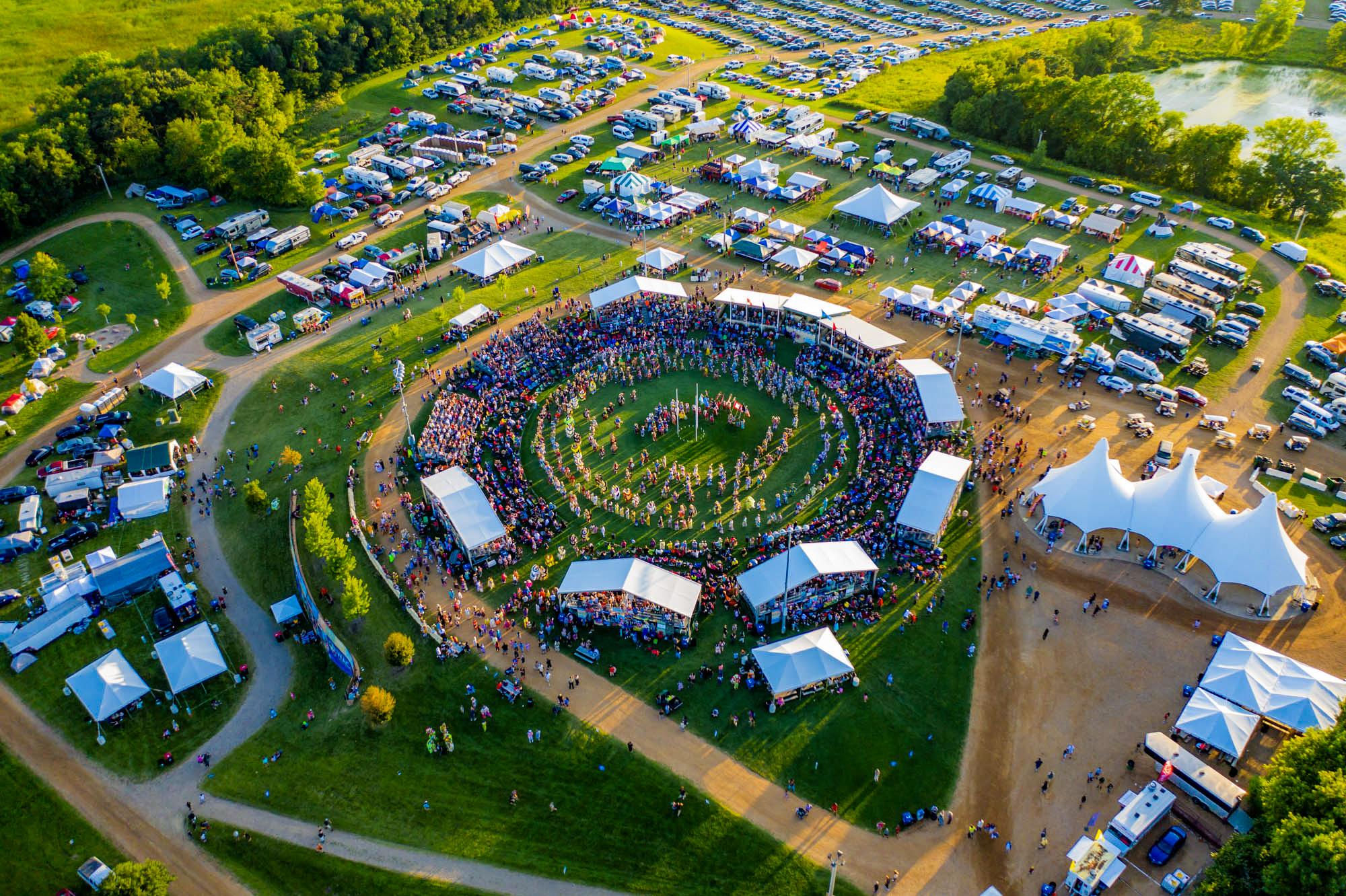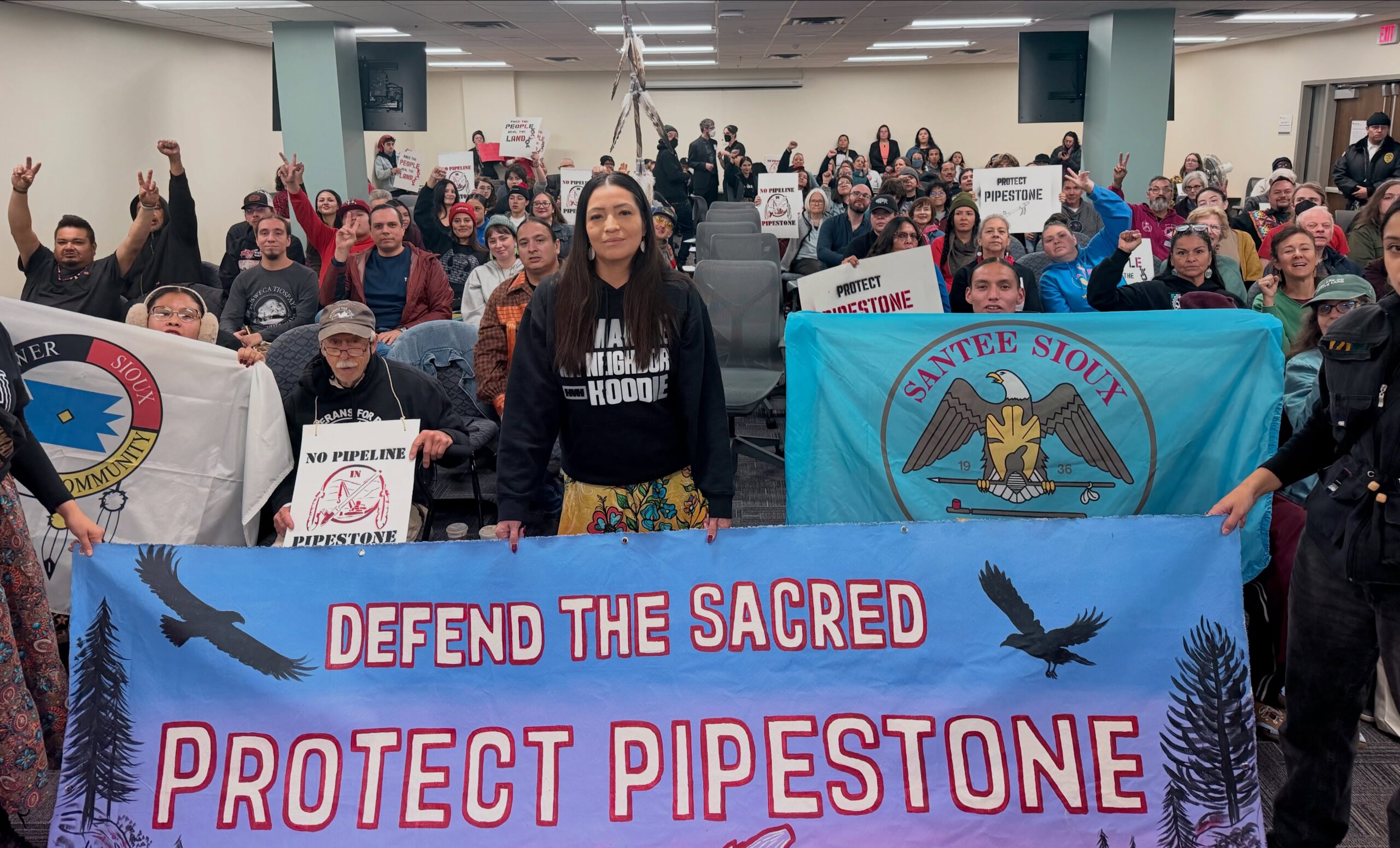
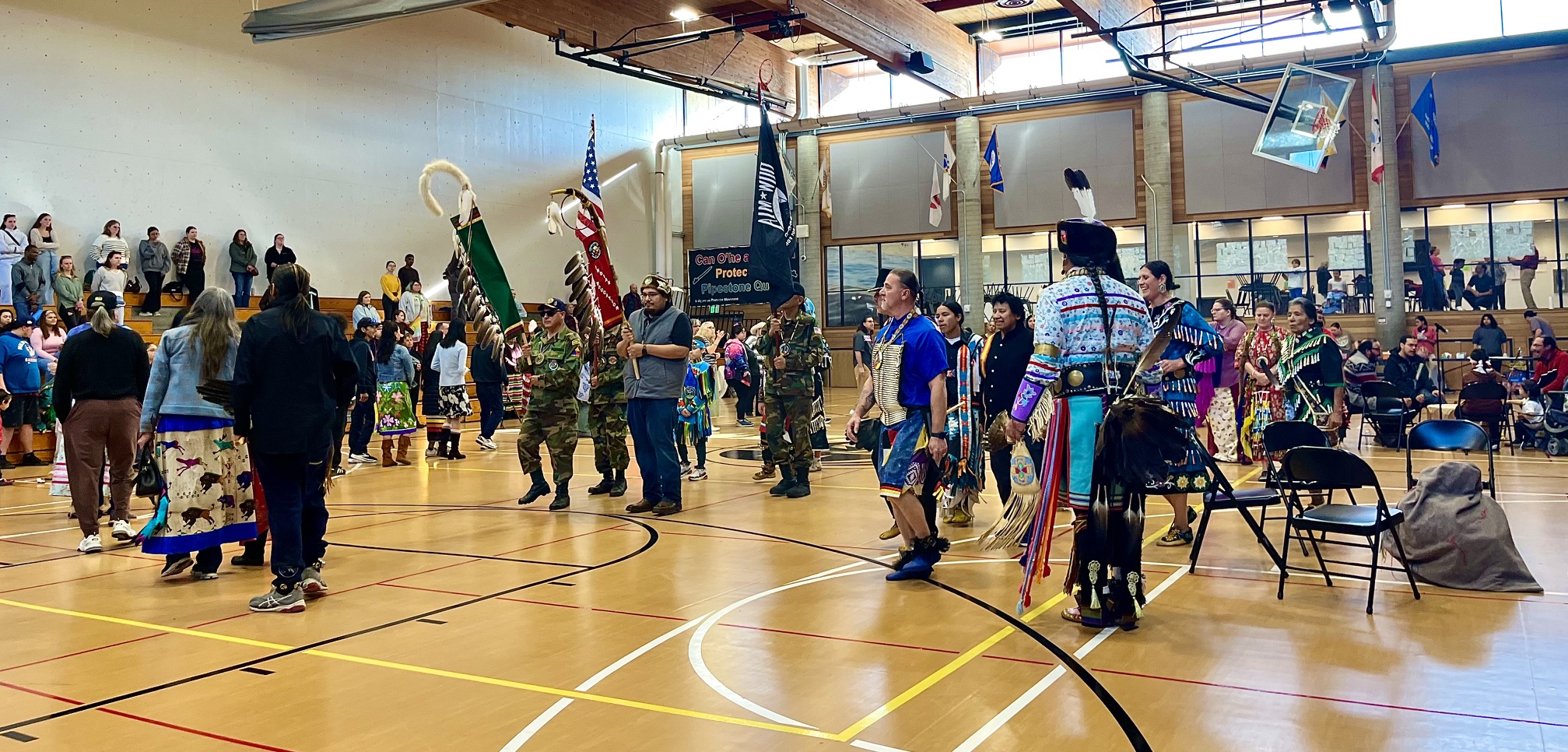
Native adoptees, formerly fostered individuals, families, and community members gathered at the Minneapolis American Indian Center on Saturday, November 7th for the 20th Annual Gathering for Our Children and Returning Adoptees Pow Wow, a day dedicated to healing, reconnection, and welcoming relatives home.
The gathering provided a space for those separated from their families, communities, and cultures through adoption and foster care to reconnect with their Native identity and experience the support of the community.
One of the most emotional moments of the day came during the Wablenica Ceremony, also known as the Orphan Song Ceremony, which honors returning adoptees, formerly fostered individuals, and their families.
The ceremony acknowledged the grief, loss, and separation experienced by generations of Native families. As the ceremony concluded, community members came forward to embrace and welcome the returning relatives, offering a powerful reminder that they have a place within their communities.
The moment was deeply moving, as the community came together to recognize those who had been separated from their families and heritage, some for much of their lives.
A History of Separation and a Journey Home
Throughout the powwow, the master of ceremonies reflected on the historical experiences of Native adoptees and foster children, comparing their return to that of people coming home from war.
He spoke of adoptees and formerly fostered individuals as among the last relatives to return from generations of policies and practices that separated Native people from their families and communities.
The comparison reflected the lasting impacts of federal assimilation policies, including the boarding school era and the widespread removal of Native children into non-Native adoptive and foster homes.
Congress passed the Indian Child Welfare Act (ICWA) in 1978 in response to the disproportionate removal of Native children from their families. The law was intended to protect Native children, preserve family and tribal connections, and recognize tribal sovereignty in child welfare proceedings.
Despite these protections, the effects of family separation continue across generations.
The Gathering for Our Children and Returning Adoptees Pow Wow began in 2003 as a space for healing and cultural reconnection. Longtime advocate Sandy White Hawk and other organizers have emphasized the importance of helping returning relatives feel welcomed and accepted within their communities.
Honoring Families and Children
Beyond the Wablenica Ceremony, the gathering included dancing, songs, fellowship, and a community supper, which Pow Wow Grounds and Bob Rice helped provide.
The evening also featured a special recognition of adoptive and foster families. Those being honored were draped in Pendleton blankets as an honor song was performed, acknowledging their place in the lives of adoptees and foster children.
The moment was another expression of gratitude and recognition during a gathering centered on family, healing, and reconnection.
Children were also celebrated with a special giveaway that included eagle plushies donated by the Bois Forte Band of Chippewa, along with books and bags of goodies. The giveaway brought another moment of joy to the gathering while emphasizing the importance of honoring and supporting Native children.
Hennepin County and the First Nations Repatriation Institute supported the event, with organizers and volunteers helping create a welcoming environment for returning relatives.
For attendees, the gathering was more than a traditional powwow. It was an opportunity to acknowledge a painful history while celebrating the resilience of Native families and the importance of cultural belonging.
As community members welcomed returning adoptees during the Wablenica Ceremony, the gathering sent a powerful message: no matter how much time has passed or how far they have been separated from their communities, returning relatives are welcome home.