

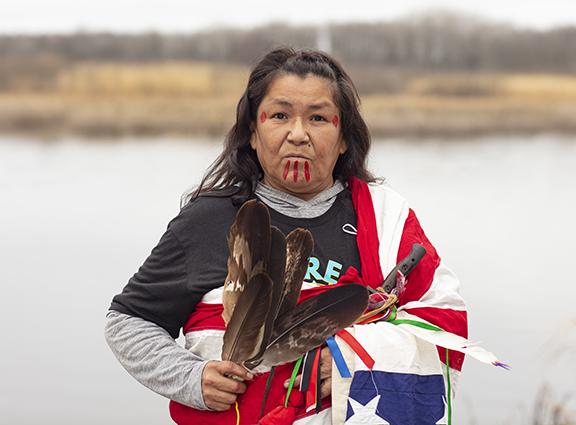
A new photography exhibit by photograher John Kaul will highlight Native American women Water Protectors, which will be on display in December. Kaul has photographed and interviewed 20 Native American women about why they work to protect the water. The exhibit will tell the story of the Indigenous women he met at the Line 3 protests.
Kaul writes in his press release: “In March, I participated in a Line 3 protest in Park Rapids. Jane Fonda was there, but the faces that riveted my attention were those of the indigenous grandmothers who came to peacefully protest an oil pipeline that violated the terms of a treaty signed many decades ago and ignored just like the other 409 treaties with Native Americans. I decided on the spot that day that I would pull together a portrait exhibit honoring these indigenous women water protectors.”
Each portrait in the exhibit is accompanied by a brief biographical sketch that explains who the water warriors are, what motivates their involvement in protecting water, and something about their lives.
Kaul says there are two types of activists. First, there are the water walkers who cover the entire lengths of our rivers, like the Mississippi, Ohio, Missouri, Red, Potomac, Wisconsin, and many others. The second type are those who attempt to disrupt the construction of oil pipelines by sitting in front of bulldozers or handcuffing themselves to fences and the like.
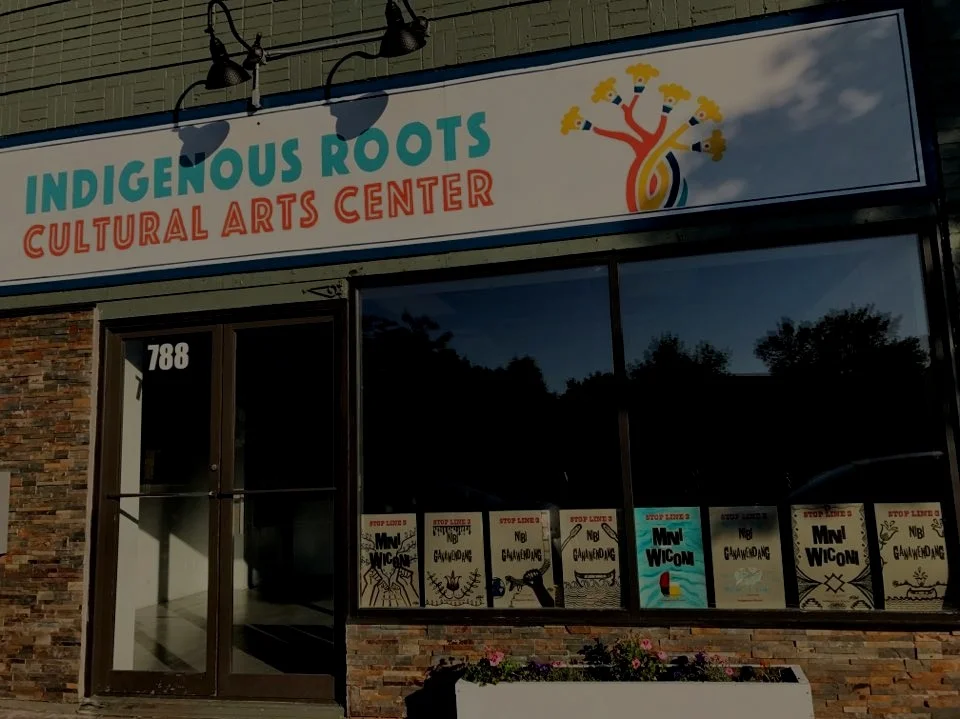
The Unity Unitarian Church, 732 Holly Avenue in St. Paul is hosting the exhibition during the month of December.
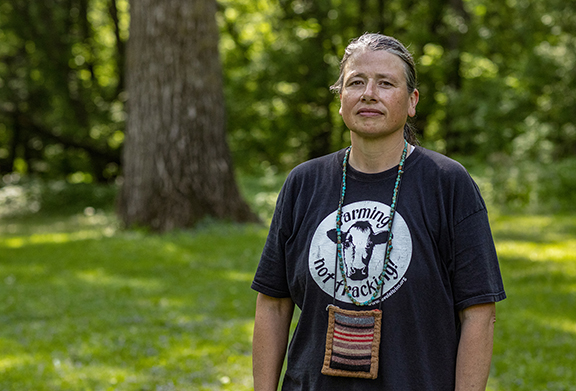
Exerpts from the exhibit for Chas Jewett:
“Chas Jewett (Mnicojan Lakota) lives on a reservation that is just south of Standing Rock in a little town called Jewett Creek which is named after one of her ancestors. She is an environmental activist and an outspoken and articulate critic of our time. Her family has an interesting history in that one of her grandfathers had the unenviable task of serving on the first council that was forced to allot land on an ever-shrinking reservation. Her grandmother helped shelter Indians fleeing the Wounded Knee Massacre. Her father and grandfather were forced to attend boarding schools.”
Exerpts from the exhibit for Tania Aubid:
“When I took this portrait, Tania was still recovering from a 35-day hunger strike. She said she had been ‘on a hunger strike to protest the treatment of Mother Earth, and the threat to wild rice and water posed by Line 3.’ She was, at that time, optimistic that the courts would uphold provisions of the 1855 treaty regarding Native sovereignty in that area. Her hopes with dashed by the court decision.
Tania grew up on a reservation in the town of East Lake, which is in Aitkin County. She refers to that part of the state as “The Deep North,” because the hatred for Native peoples remains strong there and because of the prejudicial and aggressive tactics of local law enforcement. It is also the heart of Trump country with banners proclaiming continuing fealty to the former president plastered on homes, farms, pick-ups, and stores – daily reminders that prejudice surrounds the reservation.”