
By Hannah Broadbent
“Imagine that one day you wake up and find out that a pipeline company wants to run a thirty-inch pipe pumping 640,000 barrels of oil per day under high pressure through your burial grounds, sacred sites, medicinal plant harvesting areas, and no more than a mile from your biggest wild rice harvesting areas. And, they didn’t even bother to mention it,” – Winona LaDuke, from “To Be a Water Protector.”
Talk to anyone who has lived at a camp to protect the water, their homelands and its natural resources, and they’ll tell you it’s hard work. To be Native American means to have a connection to Unci Maka, Mother Earth, in a way that you don’t have a choice but to stand up for it.
Nedahness Greene (Leech Lake Ojibwe) is no exception to the pull. Or, to the toll it can take on your heart.
“It’s our way, as young girls we are given teachings that show us our purpose. ‘Water Protector’ isn’t a title I use. As an Anishinabe Ekwe I understand Nibi (water) is life so it’s my inherent duty to protect the life source,” Greene said.
Greene is a photographer that has made it her life’s work to capture the strength of Indians among hardship. She has spent a lot of time in Palisade and Red Lake, MN, two prominent sites of the Tar Sands Pipeline, also called, Line 3.
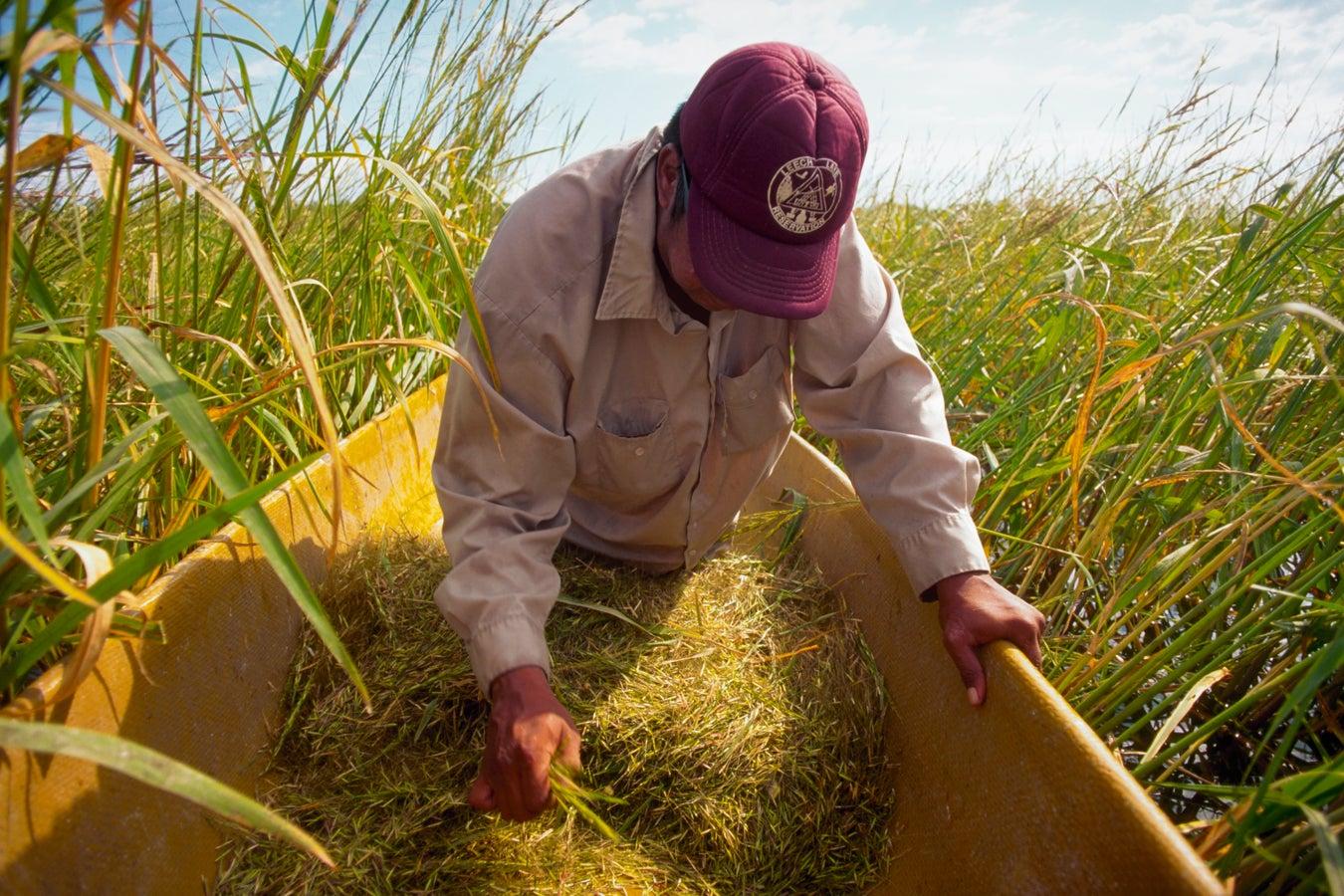
It’s the largest replacement – ringing in at $7.5 billion, from the Calgary-based Enbridge Inc. The line runs 292 miles, carrying Canadian crude oil from Neeche, ND to Superior, WI. Winona LaDuke, Ojibwe activist and author, says that this replacement isn’t that, rather an entirely new pipeline going through a new route. It runs directly through the heart of pristine lakes and wild rice territories in Minnesota – Anishinaabe territory. The line crosses tribal lands but also the 1855 treaty territory, which guarantees the sanctity of their wild rice.
“Standing with one-fifth of the world’s water are the Anishinaabeg, the people of the manoomin (wild rice) and sturgeon. And they are facing three million barrels a day of tar sands oil,” LaDuke says.
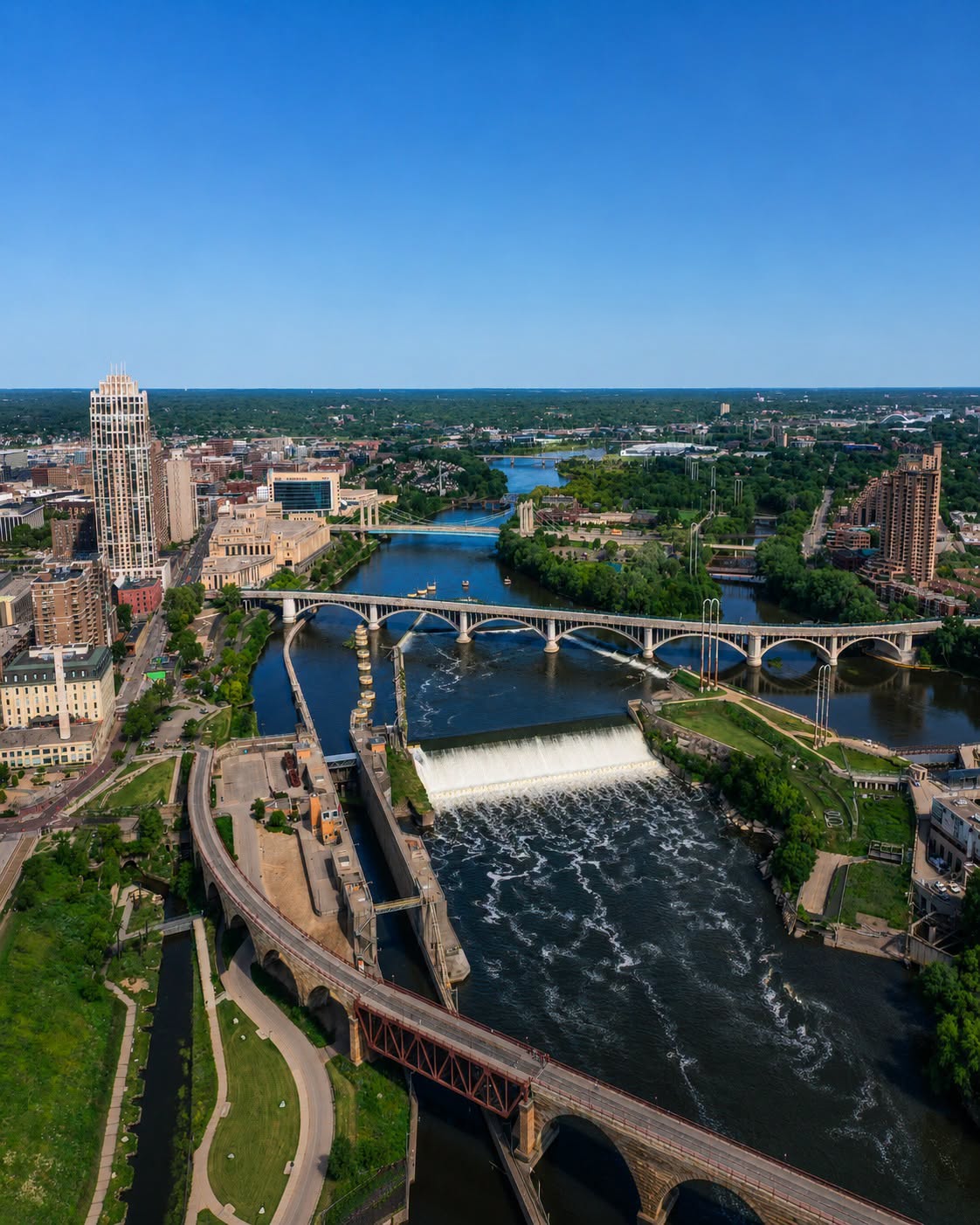
Now, 50 years-old, Line 3 is already past its life expectancy – and it shows. LaDuke says that line has had at least 15 spills since 1990. She recounts the story of March 3, 1991 in her book: “The Line 3 pipeline ruptured near Grand Rapids, Minnesota, spilling over 1.7 million gallons of oil into the Prairie River, after a negligently delayed response by the company. The Prairie is a tributary of the Mississippi, so were it not for the 18 inches of ice on top of the river, the spill could have poisoned the drinking water of millions downstream, and would likely be remembered very differently. Thankfully, this was back in the days when our territories were still frozen and snowcovered in March, before climate change had begun to sink its teeth in.”
LaDuke says NO DAPL, on the Standing Rock Reservation in South Dakota, was the first of its kind. A camp in which Indigenous people from all over the world came together, it was the land of Oceti Sakowin – Dakota, Lakota, Nakota Nation. She says it could almost be the place where the term “Water Protector” was born. Line 3 is no different, in true Enbridge fashion LaDuke says, it’s all happening quietly – just the way they like it.
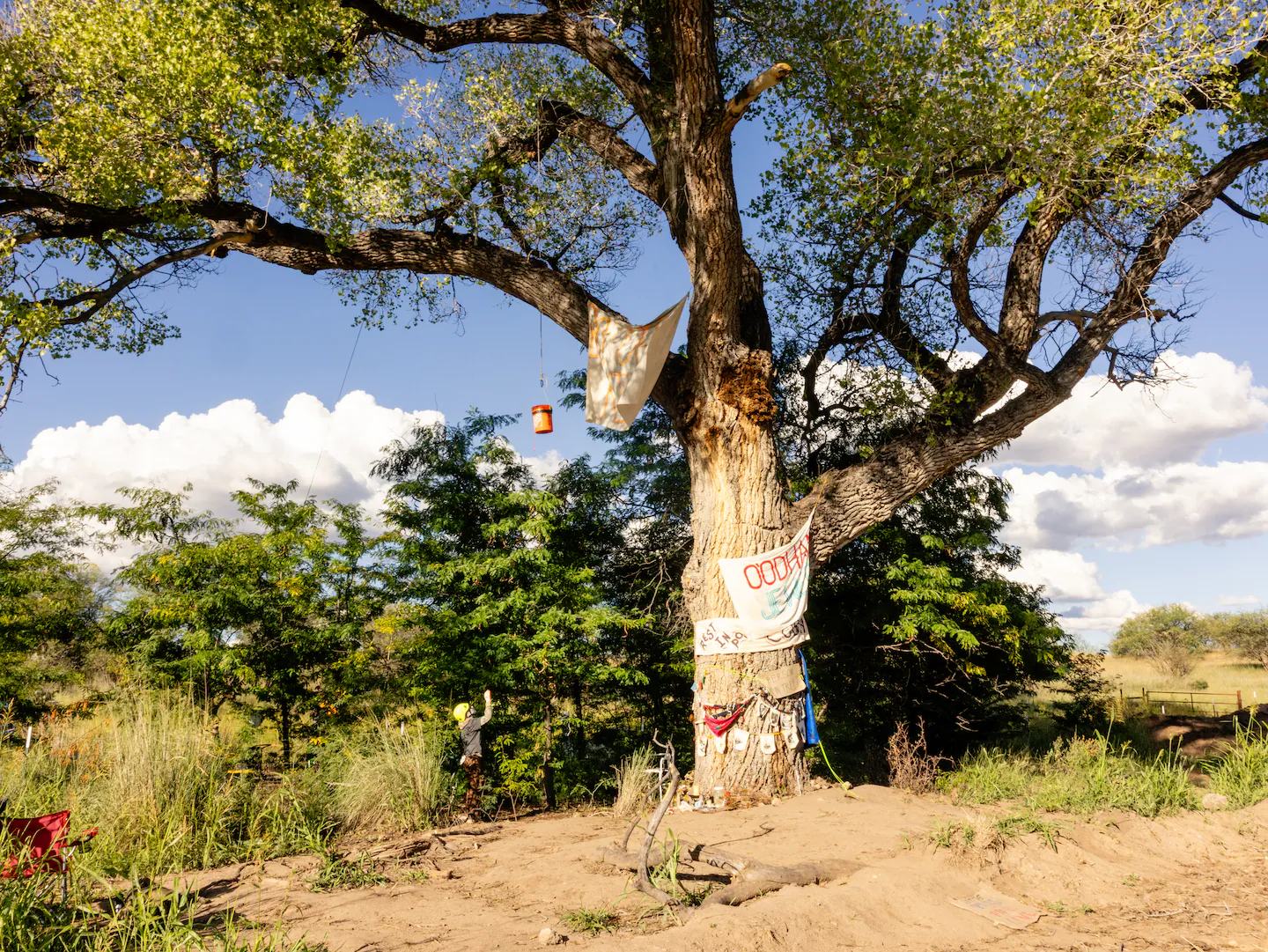
“The camp’s mood is kind of broken,” Greene said talking about Palisade. “Some camps get attention while other camps get ignored. Mainstream media always covers it if you have someone of a ‘name’ or tied to big organizations versus individual small camps where often the community members are affected.”
According to various sources, there have been over 100 arrests in the camp. Greene says her experience with law enforcement has been mixed.
“Some law enforcement have been curious about our ceremonies, medicines and the water. Others expressed it was their job so they couldn’t have too many feelings,” she said. “I saw aggression when people were arrested and noticed they were pretty rough with these women.”
One of those women in zip ties was Simone Sengoles, a member of Red Lake Nation. She was arrested on Dec. 14, 2020 and held in the Aitkin County Jail overnight. She was one of 22 that day who were taken into custody.
“We were trying to protect the Mississippi River and our Northern Minnesota homelands,” she said. “I had been at the river the day before and I felt like I couldn’t turn away – she needed us to stand up for her.”
Sengoles said she made the decision to stand in the way of the pipeline where they were preparing to drill under the Mississippi River. She said they were surrounded by officers and once arrested were held outside for over an hour in the -2-degree weather.
“It was weird to stand there and stare in their eyes right before they grabbed us,” Sengoles said. “I was wrestled to the ground by two large male officers. My hands were zip-tied behind my back and I was forced to my knees with one officer holding my head and shoulders down.”
She said the only comfort was that they all had each other – 12 women in a cell made for 8.
“Being arrested and held in jail was dehumanizing. Immediately we were made to feel powerless. It was an ugly thing. I felt supremely unsafe, not only from covid, but to have my liberty taken away for trying to peacefully protect our crucial water felt like the world was turned upside down. Why were we considered the criminals?”
According to LaDuke, there is a legal term for what Sengoles is talking about, Necessity Defense: “A defense that permits a person to act in a criminal manner when an emergency situation, not of the person’s own creation compels the person to act in a criminal manner to avoid greater harm from occurring.”
“I am a member of the Red Lake Nation, a citizen of the State of Minnesota, trying to protect my homelands and waters for the good of all. So, we can live, play, hunt, fish, swim, boat, gather wild rice and other plant foods and medicine,” Sengoles said. “Enbridge, a foreign oil company that is running roughshod over our great state, a company with a history of spills is the real criminal.”
LaDuke says the only option is for the pipeline to be shut off. Until then, Water Protectors will continue to do their work. She notes that it’s not the first movement in history in which civil disobedience has been used to make greater change: others include the Boston Tea Party, Women’s Suffrage, Civil Rights movement and now the Water Protector movement.
“We are all born water protectors, as Indian women we are given the gift of life through water and are birthed from water,” Greene said. “The fear of this pipeline is a fear everyone should have. Our bodies are made of water, without it we don’t survive.”
Greene says the Protectors on Line 3 still need a lot of assistance and every camp has different needs, so it’s important to build relationships with each camp and ask them what they need. They’ll need weather appropriate clothing, food and other resources.
To stay up to date on latest news and ways you can support go to: https://www.honorearth.org/sandpiper_line_3_corridor