


By Dan Kraker/MPR
The Minnesota Indian Affairs Council is asking Gov. Tim Walz to temporarily stop the ongoing construction of the Line 3 oil pipeline across northern Minnesota.
In a letter dated Feb 25, the group, which serves as the official liaison between the state and the 11 Native nations within its borders, urged Walz to issue an executive order putting a stay on the pipeline replacement project construction while lawsuits challenging the project’s approval play out in court.
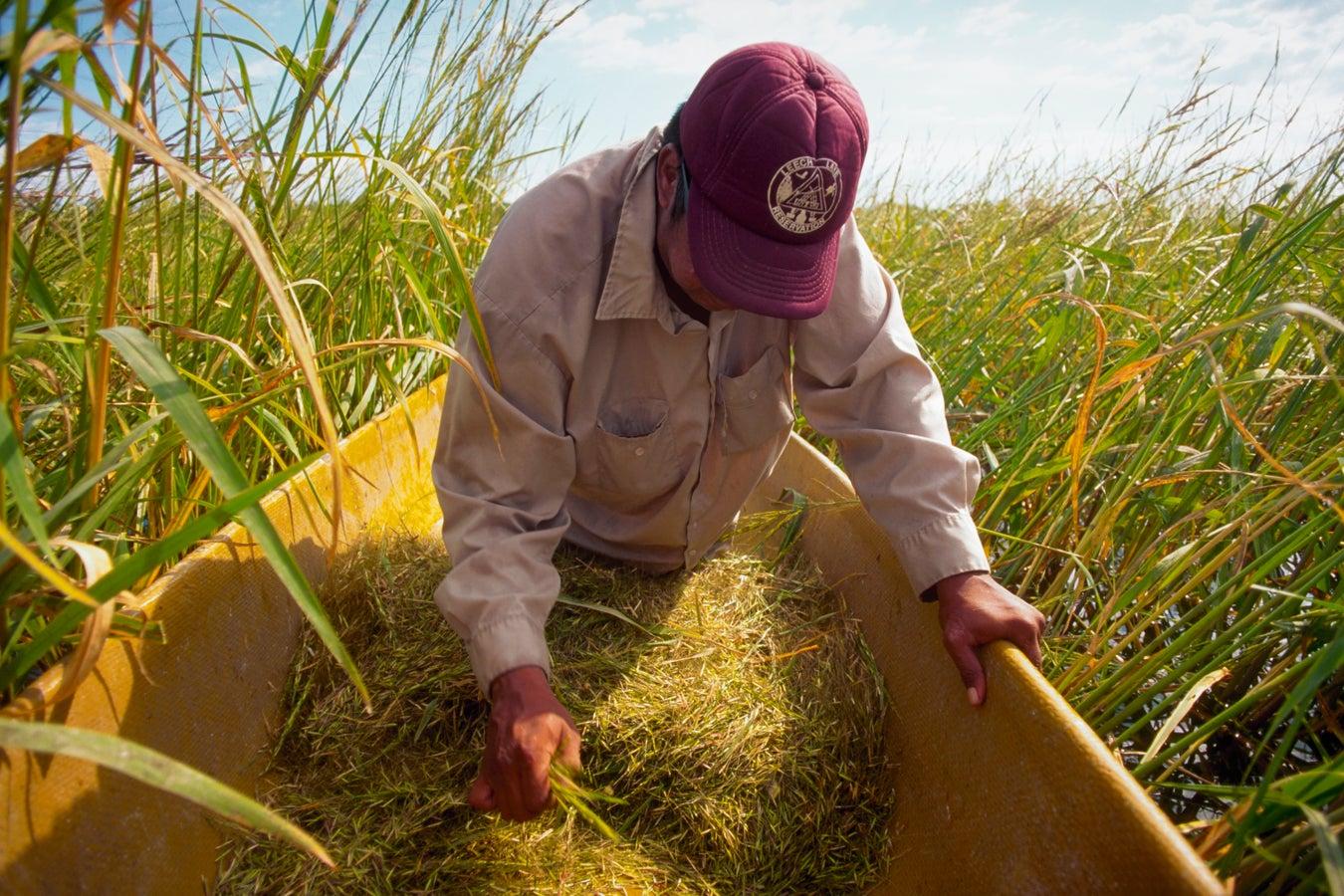
“The pipeline project opens up a brand new pipeline corridor through a water-rich environment where wild rice and other plants and animals are plentiful,” the council wrote.
The state’s seven Ojibwe bands, the letter continues, retain treaty-protected rights to hunt, fish and gather along the 330-mile stretch of land in the state where the pipeline is being constructed.
“Clearly, the pipeline construction and operation will negatively impact the productivity of the resources throughout the pipeline corridor,” it continues.
The letter from the council follows requests from the White Earth and Red Lake Nations to place a stay on the project until their appeals, along with challenges from environmental groups and the state Commerce Department, are heard in court. But those requests were denied by the Minnesota Public Utilities Commission and the Minnesota Court of Appeals.
Enbridge Energy has quickly ramped up construction of Line 3 since it received final permits at the end of November. Work began in earnest on Dec. 1. More than 4,000 workers are currently building the pipeline, along five different sections spread out across the length of the pipeline corridor, which stretches from far northwestern Minnesota, south past the headwaters of the Mississippi River, and east to Enbridge’s pipeline hub in Superior, Wis.
Tribes and groups fighting the project have argued their appeals will be moot without a stay, since it will likely take several months for the court process to play out. Enbridge anticipates completing the pipeline by the end of September.
In the letter, tribal leaders also express worry that President Joe Biden’s recent decision to cancel the Keystone XL pipeline – which also would have carried Canadian oil into the U.S. – could embolden Enbridge to eventually build more pipelines in the new Line 3 corridor.
“President Biden’s decision to stop the Keystone XL pipeline has essentially handed Enbridge a monopoly for exporting tar sands out of Canada,” the letter reads. “This does not bode well for us.”
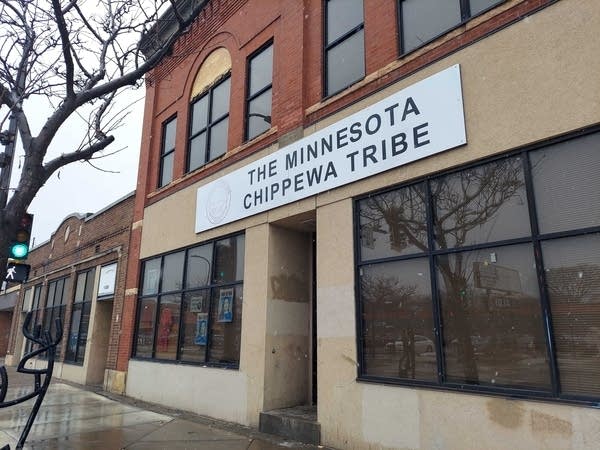
The state Indian Affairs Council was formed in 1963 as the first council of its type in the nation. Its executive board consists of elected leaders of all the state’s Native American tribes, who are tasked with making recommendations on legislation that’s important to tribal governments, and advising state government on other matters of concern.
“We write today … with one voice in solidarity with Red Lake and White Earth’s request to the Minnesota Court of Appeals to stay the construction of the Line 3 pipeline,” the letter says.
But the state’s tribes have taken different approaches to Line 3.
Enbridge currently operates a network of six pipelines – including the existing Line 3, which was built in the 1960s – which together carry nearly 3 million barrels of Canadian oil across northern Minnesota every day. That corridor crosses the reservations of both the Leech Lake Band of Ojibwe and Fond du Lac Band of Lake Superior Chippewa.
While Red Lake and White Earth have fought the project for more than six years, the Leech Lake Band’s priority from the beginning was to ensure that no new pipelines are built across its land.
In part because of the Leech Lake Band’s stance, Enbridge developed a new corridor for the replacement project that avoided both the Leech Lake and Fond du Lac reservations.
The Fond du Lac Band initially opposed the Line 3 replacement project alongside the Red Lake and White Earth nations and the Mille Lacs Band of Ojibwe.
But after the state Public Utilities Commission approved the project, the Fond du Lac Band changed course, deciding it preferred to have the old Line 3 removed from the reservation, and the replacement line installed in its place, rather than have a new pipeline corridor established across nearby treaty-protected territory.
The Leech Lake band declined comment on the letter sent by the Indian Affairs Council. The Fond du Lac band has not yet responded to requests for comment.
In a statement, Walz spokesperson Teddy Tschann said the governor values his relationship with Minnesota’s tribal nations and will review the request, “but he does not believe it is within his role to stay project permits that have been issued by state agencies after a thorough environmental review and permitting process.”
White Earth tribal attorney Frank Bibeau, in an interview, disagreed, saying he believes the governor has the authority to put a pause on construction until challenges are heard in court.
“He is the lead executive officer for the state of Minnesota. The PUC is an executive branch function,” he said. “The Minnesota Pollution Control Agency is an executive branch function. So I think there is something the governor can do.”
Minnesota Public Radio News can be heard on MPR’s statewide radio network or online.