

By Nia Macknight & Elizabeth Gillis
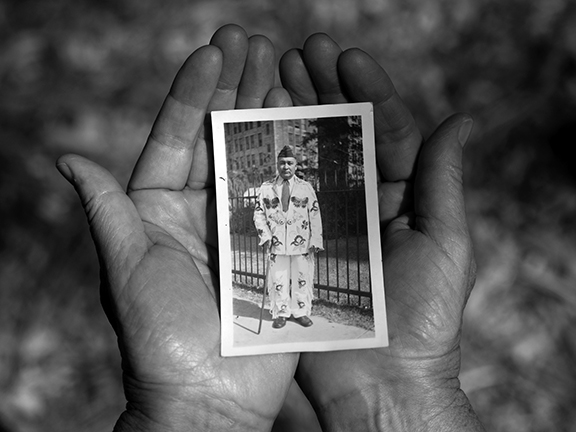
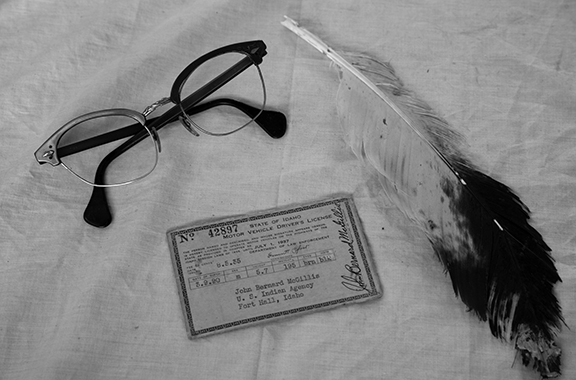
Photographer Nia MacKnight never met her great-grandfather John B. McGillis, but she did have a window into his storied life as an Anishinaabe man in early 20th-century America: a steam trunk where he stowed away undated photographs and stray objects such as an address book, a pair of horn-rimmed glasses, and a single eagle feather.
McGillis, who was born in Minnesota, lived through decades of oppressive actions against Native peoples by the U.S. government, and MacKnight says that in a world where he couldn’t fully be himself most days, this collection reveals how her great-grandfather worked to reclaim his identity.
“I was filled with joy to be able to hold his personal items,” MacKnight writes in a Q&A with National Public Radio (NPR). “I was also haunted by the fact that the only photographs that he left behind marked a time of trauma and violence that Native Americans faced due to assimilation policies.”
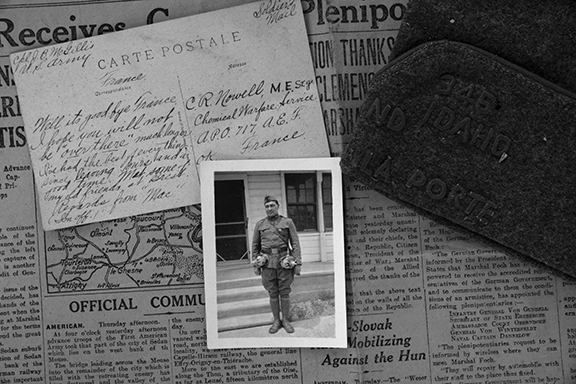
Like many Indigenous people his age, McGillis was forced to attend federal boarding school for Native American children. He also fought in World War I and later secured a position at the U.S. Bureau of Indian Affairs, where he worked towards improving employment opportunities for Indigenous people.
MacKnight’s family recounts a man who spoke his tribal language in the company of friends and relatives, while learning the language of the white dominant culture to expand opportunities for his people in his professional roles.
Using her skills as a documentary photographer and interviews with relatives and family friends, MacKnight is piecing together McGillis’ history and reflecting on questions of identity and self-determination that persist to this day. She shared some insight into her process with NPR.
What story do you hope these photographs tell?
It is my hope that my great-grandfather’s story will invite viewers to expand their perceptions of Indigeneity, and further acknowledge the diverse contributions of Native Americans within the framework of American history. Contrary to dominant Eurocentric narratives, Indigeneity did not vanish when the United States was founded. Instead, folks like my great-grandfather applied their Indigenous knowledge in a new way to carve out spaces for his people. His story ultimately conveys the creative tactics used by our ancestors for survival, and the fight for self-determination that Indigenous people still face today.
How do you decide which objects to photograph and how to construct each photograph?
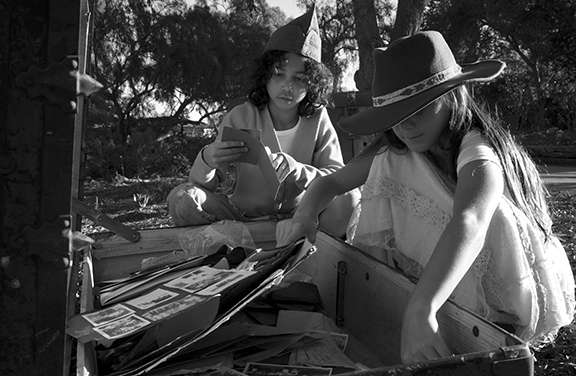
Initially, I sifted through the hundreds of photographs in this trunk to piece together the different chapters in his life. As I began interacting with the images, I noticed the photographs that he left behind conveyed his life post-boarding schools. I discovered letters and diary entries that expressed the obstacles he faced as a Native American man navigating a rapidly shifting world in the early 1900s.
I felt that the intensity of the modernization of the times and the use of natural textural elements in the background conveyed the duality of my great-grandfather’s experience. It was also important for me to photograph this project in the South Bay region of Los Angeles, also known as Tongva Territory, where my great-grandfather spent his last days before transitioning to the spirit world.
Would you say this has been a personal project for you and in what way?
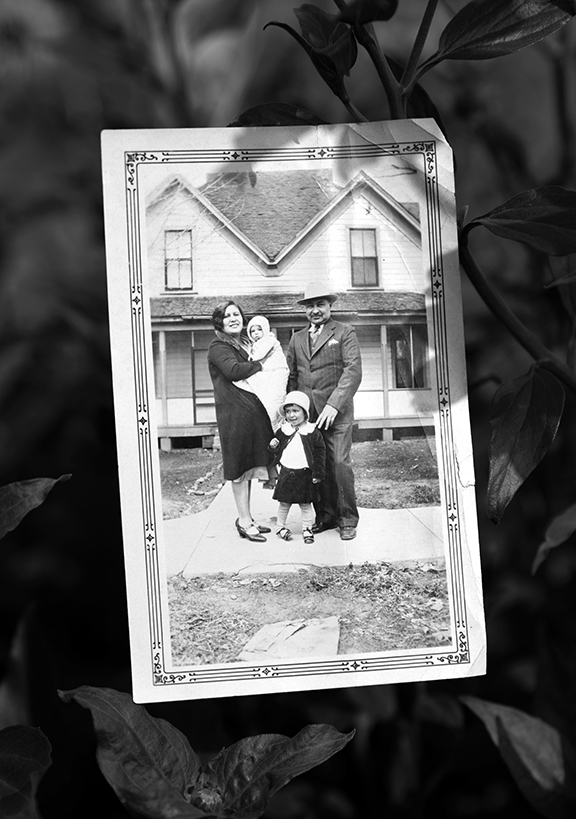
This project started out as an inquiry into my relative’s life, and evolved into experiences of deep inward reflection and healing. I was confronted with the violence and trauma that my great-grandfather experienced at the time as an Anishinaabe man forced to leave his ancestral homelands due to federal assimilation policies. However, the contents of his trunk that he left behind embody a spirit of resistance through images of growth, change and joy. His efforts to reclaim his identity through the trauma that he endured is inspirational, and serves as a reminder of the importance of sovereignty through storytelling.
Tell me a little about one or two things that have surprised you since you started this process?
In order to further understand the impact that my great-grandfather left on his relatives, I reached out to multiple relatives about their memories of him. I was surprised to find out aspects of his personality through various family stories that are not conveyed in the contents that he left behind in the trunk. One relative reported that his exceptional hunting skills were what helped the family get through the Great Depression.
Another relative described him as a deeply loving man who loved being in the company of his family. I was also surprised at the creative ways that my relatives connected, despite our geographic distance, to share stories about my great-grandfather John B. McGillis. This project demonstrates the power of intergenerational storytelling, and the ability of our ancestors to transcend place and time.
Special thanks to Kevin Locke, Sheridan MacKnight, Winona Flying Earth, and Thelbert Milligan for contributing their knowledge about the life of John B. McGillis to this project.