


By Hannah Broadbent
Hemp – a strain of cannabis containing less than .3% THC (tetrahydrocannabinol is the psychoactive ingredient in marijuana that produces the feeling of being high) – is what farmers and enthusiasts call “the plant of 50,000 uses”. It can be used to make oil, plastic, carpet, clothing, concrete and the popular CBD (cannabidiol, the second most active ingredient in cannabis does not product a feeling of being high). And Hemp is biodegradable in any form.
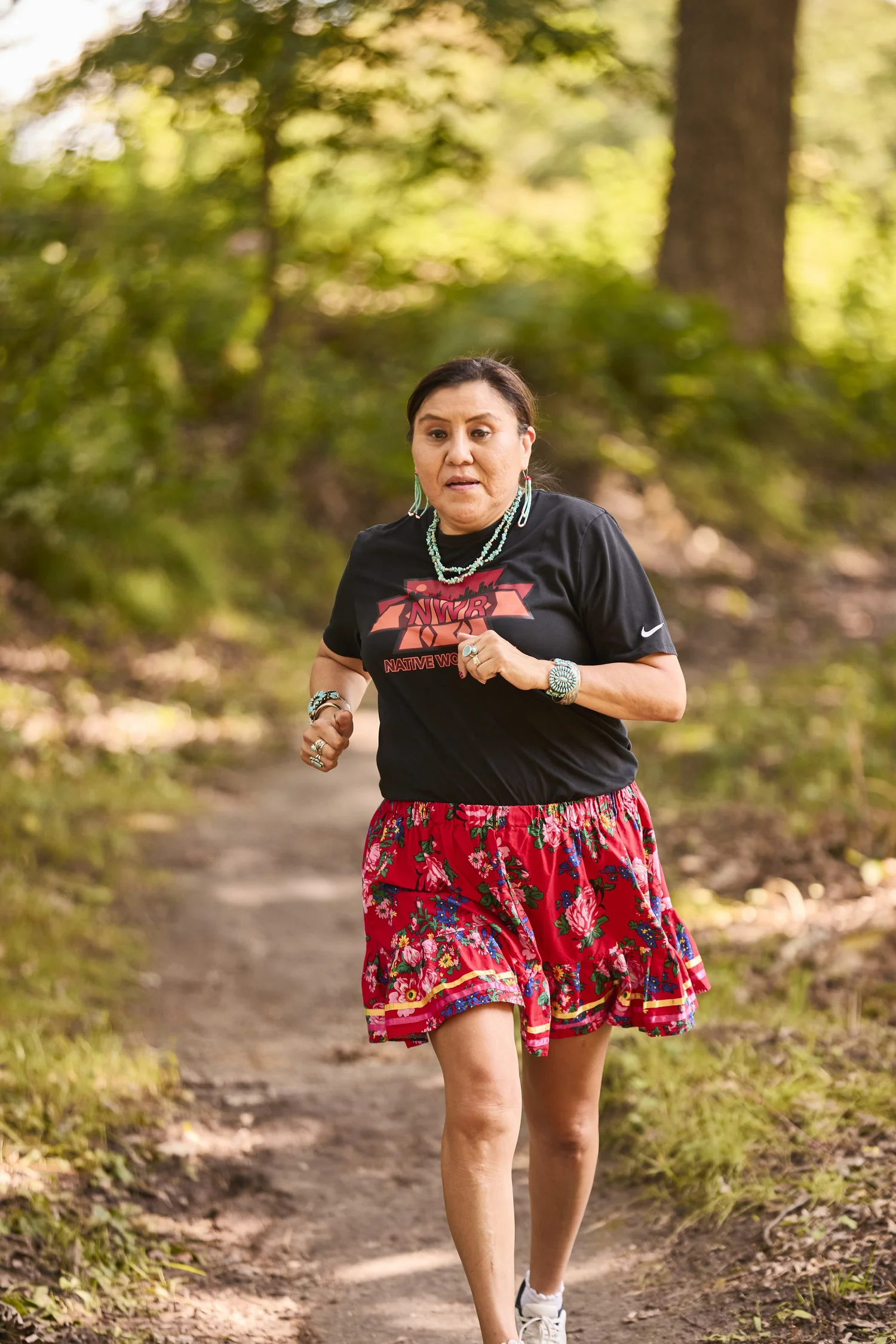
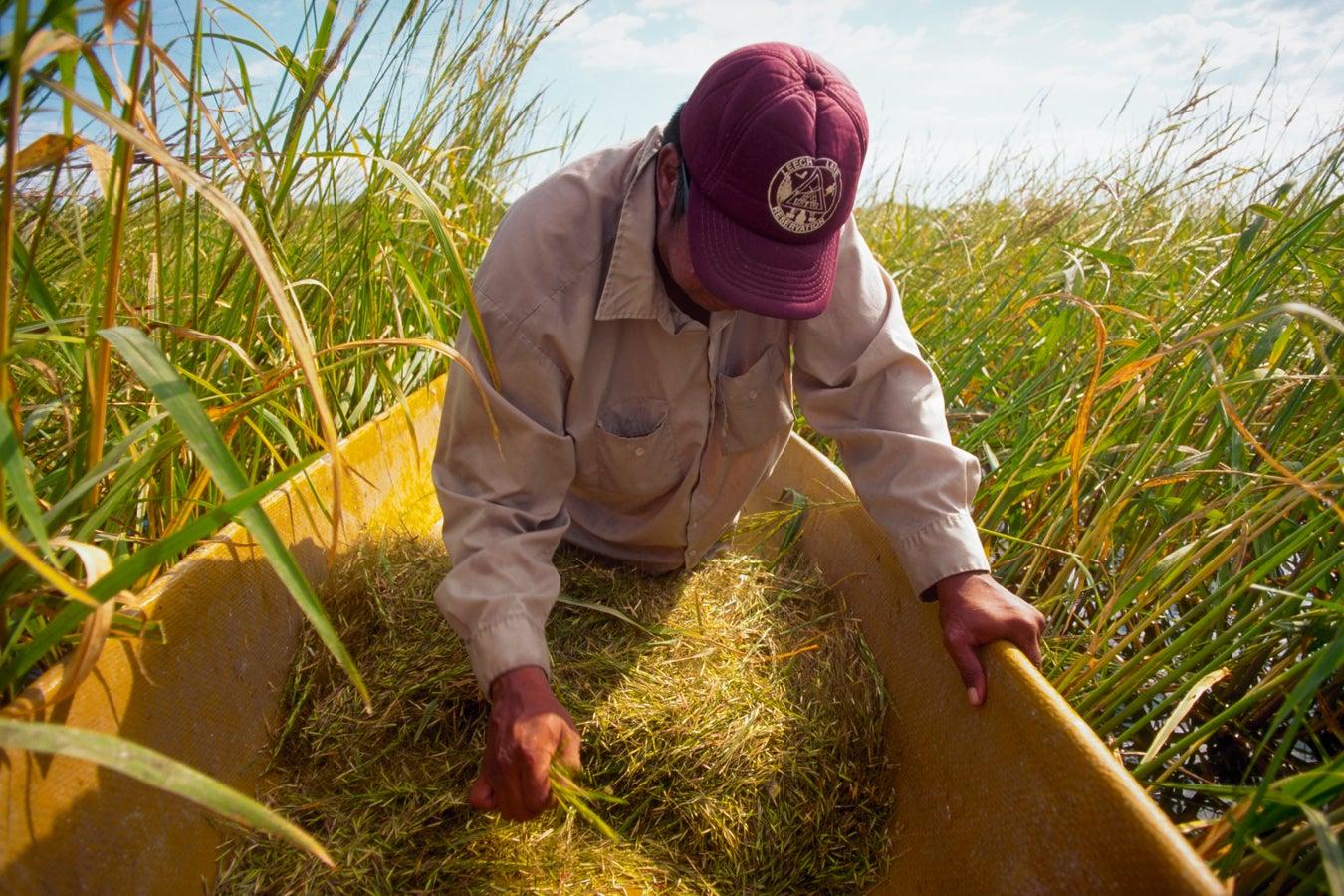
Winona LaDuke (White Earth Ojibwe) is not only a Hemp farmer but also a leader and innovator in the industry. “I believe she is a plant to be courted and treated well. If we treat her well, she will help us. She has the ability to transform people and worlds,” LaDuke told The Circle in 2020 when discussing her 80-acre farm – 8 acres of it is being used for growing Hemp.
Now, Winona’s Hemp and Heritage Farm, in partnership with Anishinaabeg Agriculture Institute, wants to share this holistic approach to world transformation in its Online Class and Curriculum: Hemp the New Green Revolution course.
This 10-week class will begin on Feb. 15, 2022. The class is for Indigenous farmers, tribal college students and others. The introduction to hemp will provide students with an overview of the plant – from seeds to clothing, food, and housing.
Hemp has a long history in the United States that started in the times of colonial settler villages and ended in the 1950’s when it was outlawed.
LaDuke said the Farm Bureau used to require farms to grow a quarter acre of hemp. “If that would have continued, we would be in a lot better shape today.”
In 2014, President Obama signed a version of the Farm Bill that established the Hemp Pilot Program, allowing certain research institutions to cultivate and study hemp. And in 2018, hemp was officially legalized on the federal level.
In Minnesota, there were 11 Hemp farms in production before WWII. The Hemp industry agrees it was the Industrial boom, combined with mis-information about cannabis and confusion on Hemp’s relation to marijuana, that lead to its criminalization.
For textiles, Cotton uses 5x more water than Hemp. Cotton is 2.4% of the world’s crop land but accounts for 24% agricultural contamination. LaDuke says not only is cotton drinking up all our water, it’s contaminating it too.
Hemp, on the other hand has resorptive properties making it remedial in soil. When integrated into a crop rotation it can help rejuvenate the soil and reduce carbon.
On her farm, located on White Earth Reservation, they are working to learn about different varieties and different ways to grow them – some of that education comes from what grew in Minnesota almost one hundred years ago. She says the farm is a model, a learning place. It’s the place she chooses to start the new world.
“We are going to want a lot of hemp if we are going to change the world. Since we want to build a hemp fiber mill, and eventually move into food products, we are going to want to work with other tribal and non-tribal people in our area who want to grow organic hemp and grow the next economy.”
LaDuke says the “next economy” is not about money. “If we want to survive, we are going to have to work together. It’s not about competition, but cooperation.”
The Hemp class is offered completely online. It will feature instructors from the field, to universities and businesses. The intention is to provide background materials for better decision making.
“The class will inform students, and allow for dialogue on the opportunity for Cannabis Sativa can transform our materials economy, our textiles economy, return carbon to the soil, be a central material in sustainable housing, provide health and well-being, and be a path to restorative justice,” states the course description.
Classess consist of lectures, discussions and videos. Homework outside of class involves weekly reading, written assignments and discussion posts.
Students will receive a certificate of completion from the Nueta Hidatsa Sahnish College, a public, Tribal land-grant community college in New Town, North Dakota. It is chartered by the Three Affiliated Tribes of the Fort Berthold Reservation.
“Change is inevitable – it’s the question of who controls the change, so we want to control that.” LaDuke said. “We want to make decisions for our communities that are coherent decisions that are going to work out for us.”
The class will start February 15 and run until April 27. It will be on Tuesday afternoons from 4pm-6pm CST, on Zoom. Cost is $200.
For more info and to register, see: https://www.winonashemp.com/shop/online-class-and-curriculum-hemp-the-new-green-revolution.