

By Associate Press
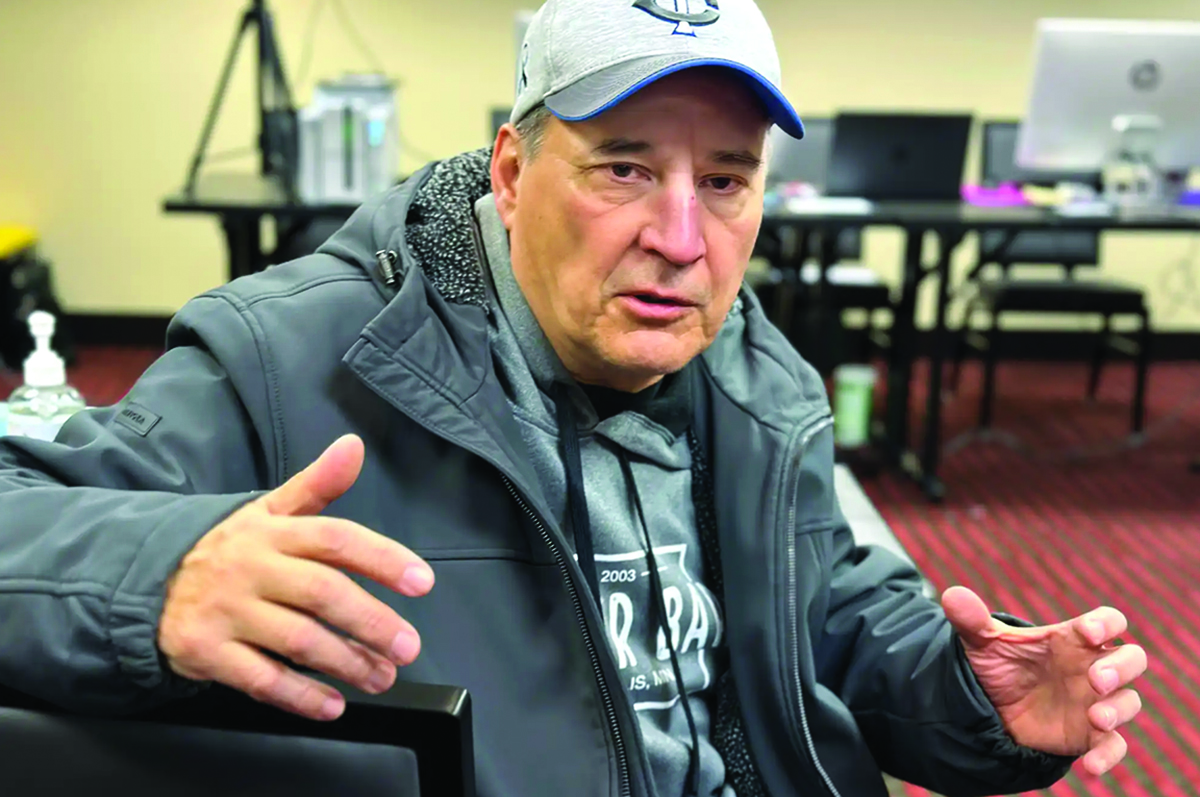
When U.S. Immigration and Customs Enforcement flooded Minneapolis, Shane Mantz dug his Choctaw Nation citizenship card out of a box on his dresser and slid it into his wallet.
Some strangers mistake the pest-control company manager for Latino, he said, and he fears getting caught up in ICE raids.
Like Mantz, many Native Americans are carrying tribal documents proving their U.S. citizenship in case they are stopped or questioned by federal immigration agents. This is why dozens of the 575 federally recognized Native nations are making it easier to get tribal IDs. They’re waiving fees, lowering the age of eligibility — ranging from 5 to 18 nationwide — and printing the cards faster.
It’s the first time tribal IDs have been widely used as proof of U.S. citizenship and protection against federal law enforcement, said David Wilkins, an expert on Native politics and governance at the University of Richmond.
“I don’t think there’s anything historically comparable,” Wilkins said. “I find it terribly frustrating and disheartening.”
As Native Americans around the country rush to secure documents proving their right to live in the United States, many see a bitter irony.
“As the first people of this land, there’s no reason why Native Americans should have their citizenship questioned,” said Jaqueline De León, a senior staff attorney with the nonprofit Native American Rights Fund and member of Isleta Pueblo.
The U.S. Department of Homeland Security didn’t respond to more than four requests for comment.
Native identity in a new age of fear
Since the mid- to late 1800s, the U.S. government has kept detailed genealogical records to estimate Native Americans’ fraction of “Indian blood” and determine their eligibility for health care, housing, education and other services owed under federal legal responsibilities. Those records were also used to aid federal assimilation efforts and chip away at tribal sovereignty, communal lands and identity.
Beginning in the late 1960s, many tribal nations began issuing their own forms of identification. In the last two decades, tribal photo ID cards have become commonplace and can be used to vote in tribal elections, to prove U.S. work eligibility and for domestic air travel.
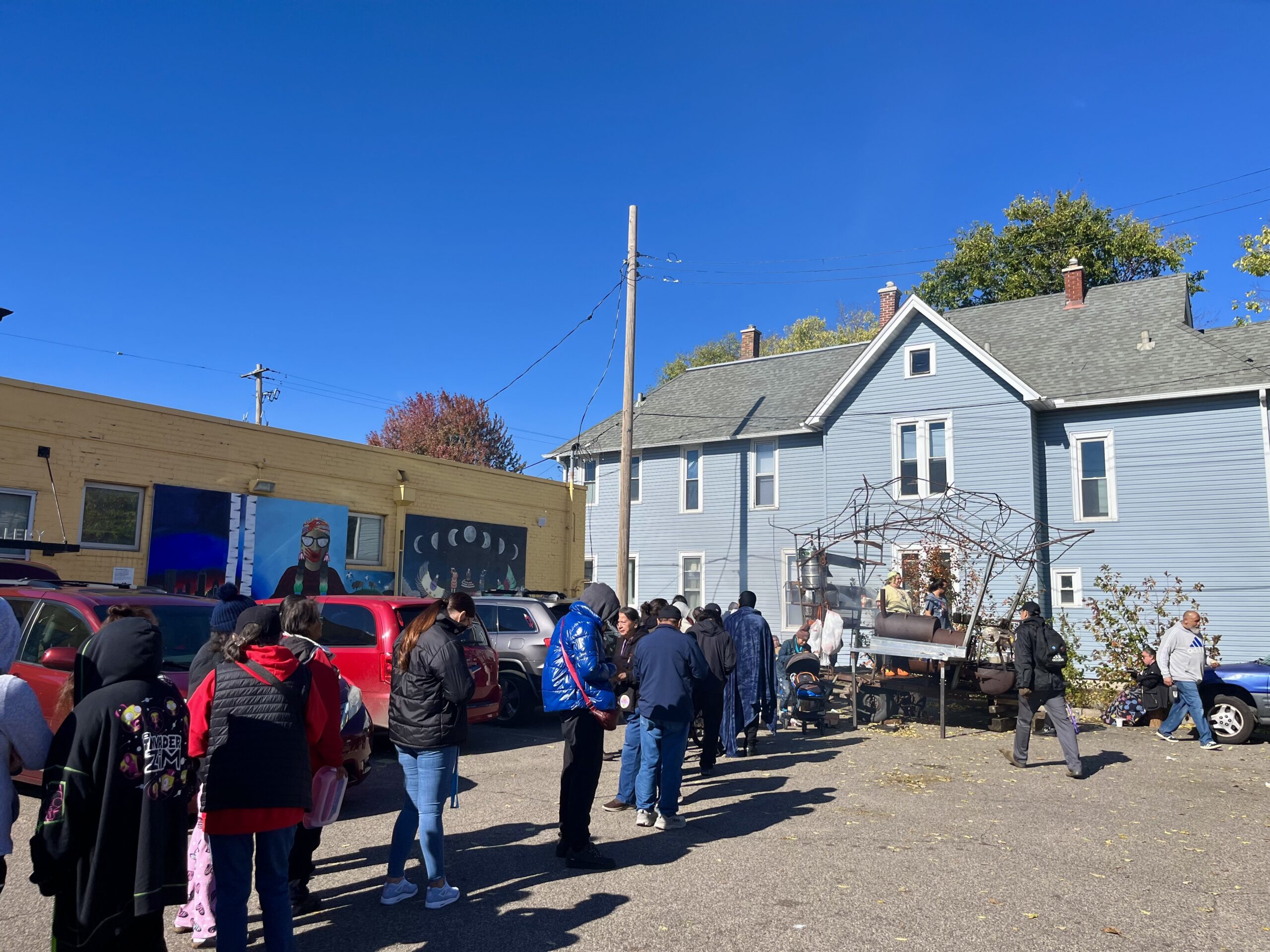
About 70 percent of Native Americans today live in urban areas, including tens of thousands in the Twin Cities, one of the largest urban Native populations in the country.
There, in early January, a top ICE official announced the “largest immigration operation ever.”
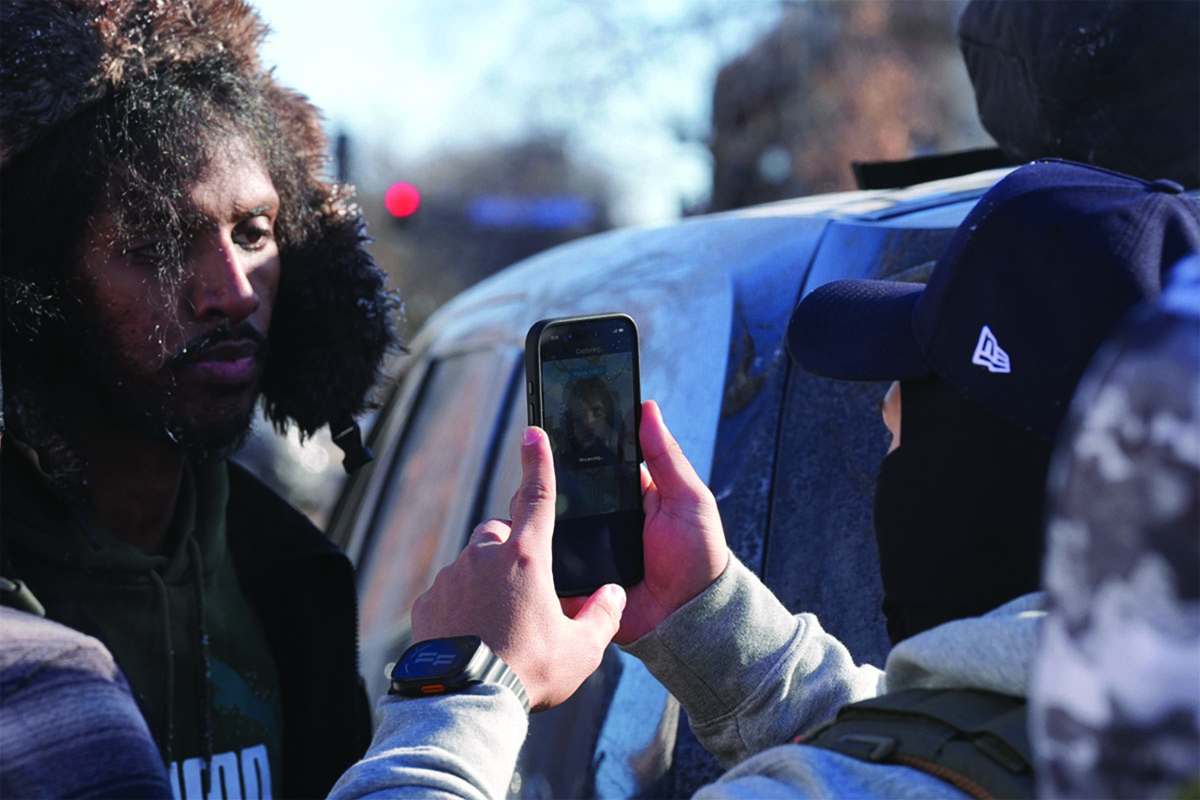
Masked, heavily armed agents traveling in convoys of unmarked SUVs became commonplace in some neighborhoods. By the end of January, more than 3,400 people had been arrested, according to Immigration and Customs Enforcement. At least 2,000 ICE officers and 1,000 Border Patrol officers were on the ground.
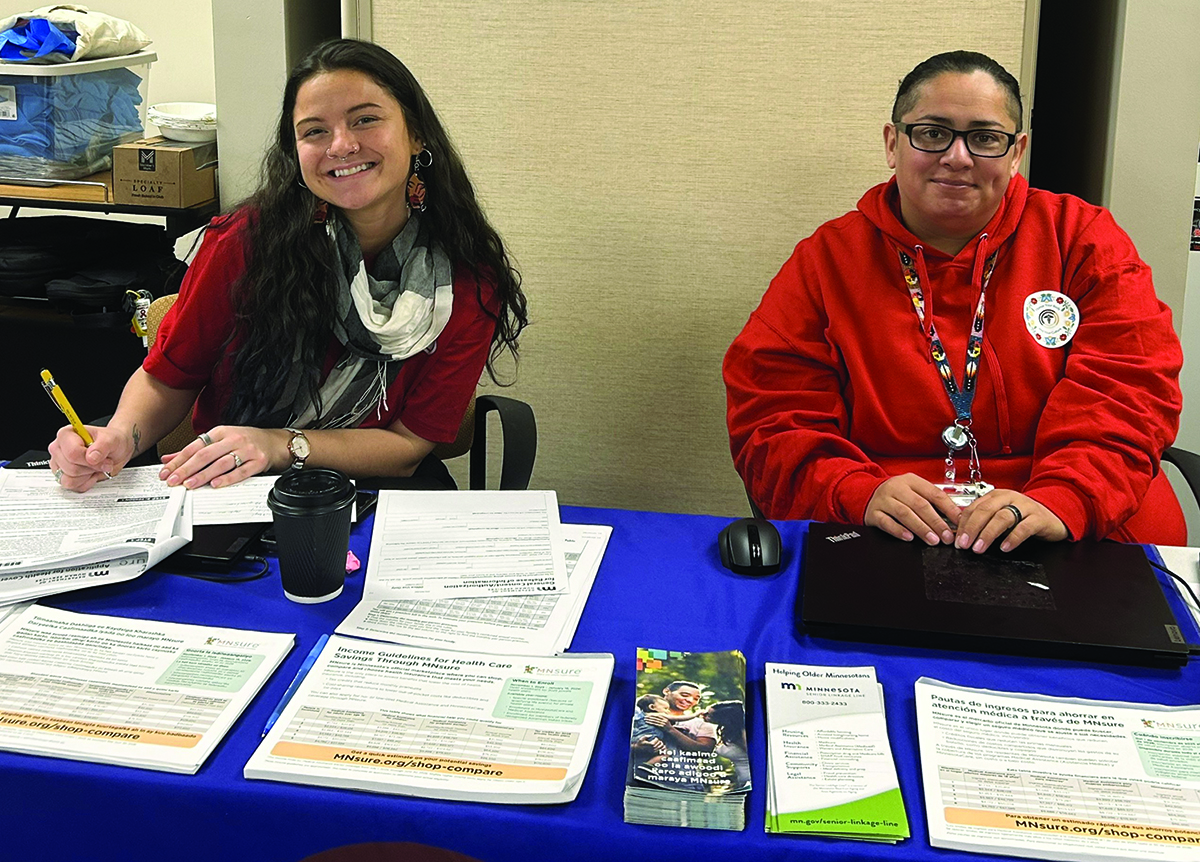
Representatives from at least 10 tribes traveled hundreds of miles to Minneapolis — the birthplace of the American Indian Movement — to accept ID applications from members there. Among them were the Lac Courte Oreilles Band of Ojibwe of Wisconsin, the Sisseton Wahpeton Oyate of South Dakota and the Turtle Mountain Band of Chippewa of North Dakota.
Turtle Mountain citizen Faron Houle renewed his tribal ID card and got his young adult son’s and his daughter’s first ones.
“You just get nervous,” Houle said. “I think (ICE agents are) more or less racial profiling people, including me.”
Events in downtown coffee shops, hotel ballrooms, and at the Minneapolis American Indian Center helped urban tribal citizens connect and share resources, said Christine Yellow Bird, who directs the Mandan, Hidatsa and Arikara Nation’s satellite office in Fargo, North Dakota.
Yellow Bird made four trips to Minneapolis in recent weeks, putting nearly 2,000 miles on her 2017 Chevy Tahoe to help citizens in the Twin Cities who can’t make the long journey to their reservation.
Yellow Bird said she always keeps her tribal ID with her.
“I’m proud of who I am,” she said. “I never thought I would have to carry it for my own safety.”
Some Native Americans say ICE is harassing them
Last year, Navajo Nation President Buu Nygren said that several tribal citizens reported being stopped and detained by ICE officers in Arizona and New Mexico. He and other tribal leaders have advised citizens to carry tribal IDs with them at all times.
Last November, Elaine Miles, a member of the Confederated Tribes of the Umatilla Indian Reservation in Oregon and an actress known for her roles in “Northern Exposure” and “The Last of Us,” said she was stopped by ICE officers in Washington state who told her that her tribal ID looked fake.
The Oglala Sioux Tribe has banned ICE from its reservation in southwestern South Dakota and northwestern Nebraska, one of the largest in the country.
The Standing Rock Sioux Tribe of North and South Dakota said a member was detained in Minnesota in late January. And Peter Yazzie, who is Navajo, said he was arrested and held by U.S. Immigration and Customs Enforcement in Phoenix for several hours last week.
Yazzie, a construction worker from nearby Chinle, Arizona, said he was sitting in his car at a gas station preparing for a day of work when he saw ICE officers arrest some Latino men. The officers soon turned their attention to Yazzie, pushed him to the ground, and searched his vehicle, he said.
He said he told them where to find his driver’s license, birth certificate, and a federal Certificate of Degree of Indian Blood. Yazzie said the car he was in is registered to his mother. Officers said the names didn’t match, he said, and he was arrested, taken to a nearby detention center and held for about four hours.
“It’s an ugly feeling. It makes you feel less human. To know that people see your features and think so little of you,” he said.
DHS did not respond to questions about the arrest.
Mantz, the Choctaw Nation citizen, said he runs pest-control operations in Minneapolis neighborhoods where ICE agents are active and he won’t leave home without his tribal identification documents.
Securing them for his children is now a priority. “It gives me some peace of mind. But at the same time, why do we have to carry these documents?” Mantz said. “Who are you to ask us to prove who we are?”