No data was found

Indian film festival debuts with 100 works

Share :
Facebook
X
No data was found

More than 100 films were shown during the inaugural Talking Stick Film Festival, which was held June 26 in Santa Fe, New Mexico. The film festival included panels and workshops with notables like actor Wes Studi, director Chris Eyre – whose supernatural thriller “Imprint” was shown during the festival – and actor Gary Farmer.

The films were largely written, directed or produced by Indians from the U.S. and Canada, with some offerings from indigenous people of Australia, New Zealand, Mexico and Samoa.

“I was surprised how much work is out there – and how much brilliant, really stunning, work is out there,” said festival director Karen Redhawk Dallett. She had envisioned finding only 20 to 30 good films for the festival.

That’s a huge change from three decades ago, when Michael Smith, a

Sioux working with the United Indians of All Tribes Foundation in

Seattle, set about to find films – no matter who made them – that

rebutted the stereotypical portrayal of Indians. He scrounged up 17,

and the American Indian Film Festival was born in 1975.

Navajo filmmaker Norman Patrick Brown has made about a dozen films

over the past 20 years, many in the Navajo language with English

subtitles. He co-produced a 37-minute documentary that was shown at the

Talking Stick festival called "Poison Wind," about the effects of

uranium mining.

“For many of us, it’s not really about the glamor or the high-end

production values,” said Brown, who has made films about diabetes and

drug and alcohol addiction. “It’s mostly serving our community,

educating the community.”

According to Smith, there are about a dozen Indian and indigenous

film festivals in North America. Among them: events at the National

Museum of the American Indian and the Heard Museum in Phoenix; Sundance

Film Festival’s Native Forum; the imagineNATIVE film and media arts

festival in Toronto; and Dreamspeakers Film Festival in Edmonton,

Alberta.

The Talking Stick film fest opened with the U.S. premiere of “Older

Than America,” a Canadian film directed by Georgina Lightning, (Cree)

about atrocities at Indian boarding schools The film was shot on

location in nothern Minnesota on the Fon du Lac reservation.

For more info, see: TalkingStickFilmFestival.org.

This reporting is made possible by readers like you.

The Circle is a nonprofit newsroom with no tribal affiliation, no corporate ownership, and no paywall. Independent Native journalism depends on reader support.

Advertisement

NOV-JAN Federal Changes Ad (1080 x 1080 px) - The Circle (1)

Recent Stories

Advertisement

RWRE-Battery-Digital_1000x2110

More From Arts & Culture

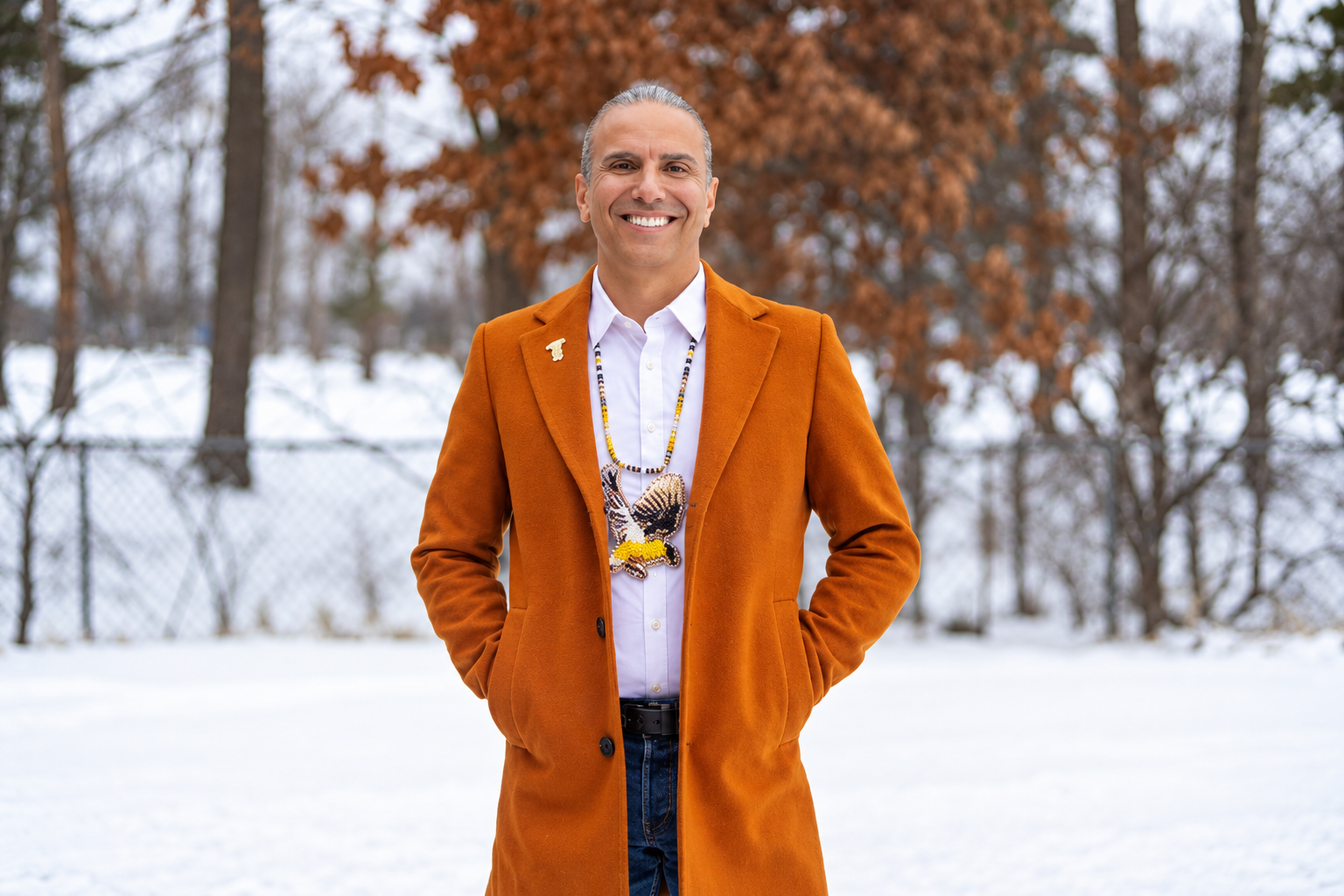
Anton Treuer Named 2026 Recipient of Minnesota Humanities Center’s Reister Award

ST. PAUL, Minn. — The Minnesota Humanities Center (MHC) has named Anton Treuer, an Ojibwe historian, author, professor, and cultural educator from Bemidji, as the 2026 recipient of the Ruth & Ray Reister Award for Historical Contributions to the Humanities. Announced on October 20, the award recognizes Treuer’s more than three decades of work preserving […]

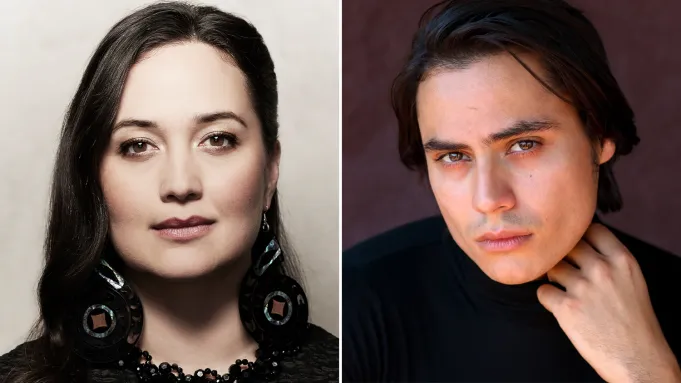
Lily Gladstone, Kiowa Gordon to Star in Supernatural Western ‘The Curse of Silver’

Lily Gladstone and Kiowa Gordon are set to star in The Curse of Silver, a new supernatural horror-western that will reunite the actors with Quantum Cowboys director Geoff Marslett. Gladstone, an Oscar nominee known for Killers of the Flower Moon, and Gordon, known for Twilight and Dark Winds, are attached to lead the film. Marslett […]

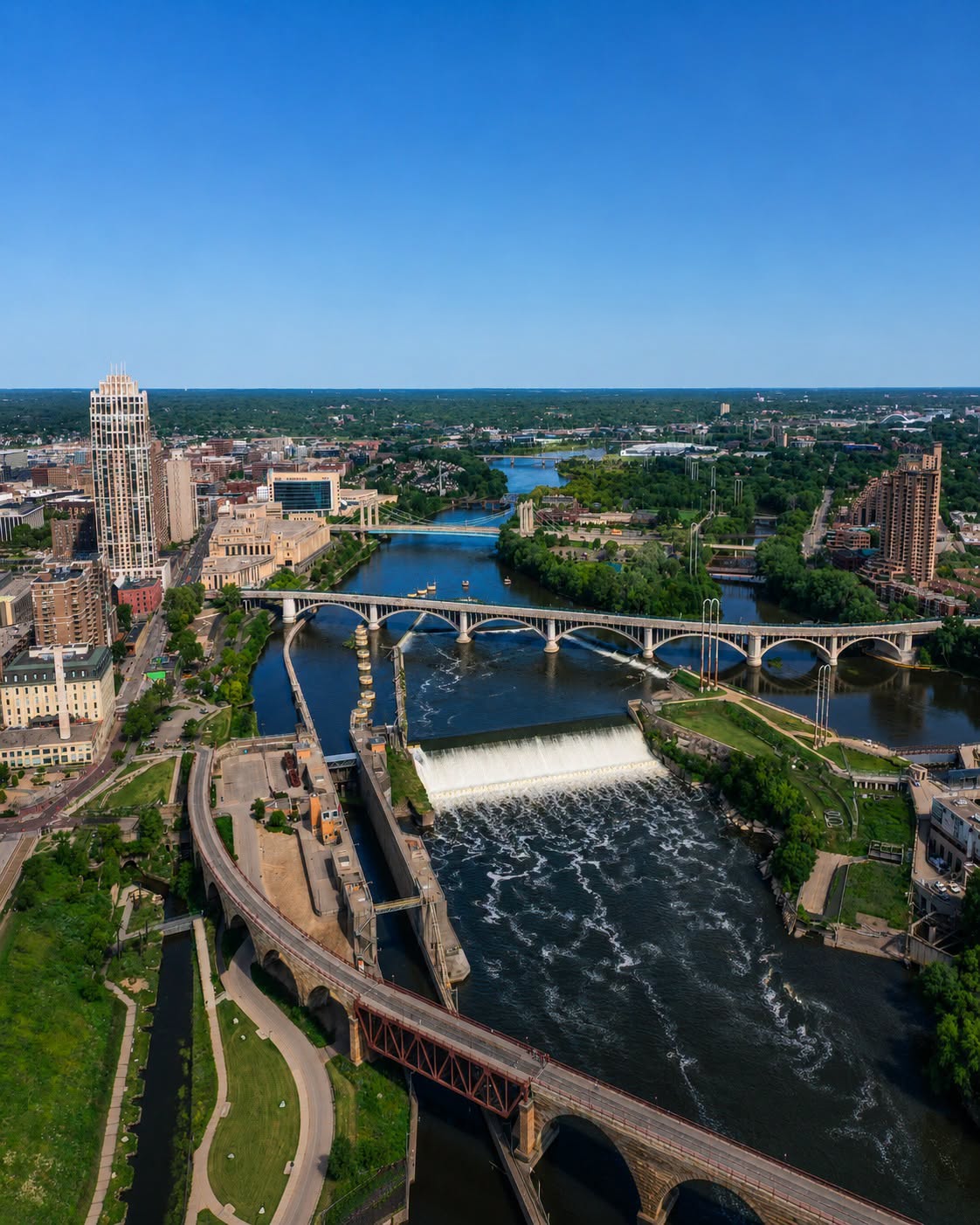
Dakota-Led Owámniyomni Project Restores Connection to Sacred Minneapolis River Site

MINNEAPOLIS — Along Ȟaȟá Wakpá, the Mississippi River, a Dakota-led effort is working to restore land, culture, and community connection at Owámniyomni, commonly known as St. Anthony Falls. For Dakota people, Owámniyomni, meaning “turbulent waters,” has long been a sacred place for ceremony, gathering, trade, and offerings. Nearby Wíta Wanáǧi, or Spirit Island, was a […]

No data was found

Search The Circle

Find stories, columns, events, and magazine features.

Help The Circle Recover & Preserve Native History

FIRE RECOVERY & ARCHIVE PRESERVATION FUND

A recent fire at the building housing The Circle’s office has created unexpected challenges for our independent Native newspaper.

Thankfully, with the help of community members, we were able to recover our newspaper archives dating back to the 1980s. These irreplaceable records preserve decades of Native community history, cultural knowledge, and stories.

Your donation will help The Circle recover from the fire, protect our historical archives, and continue sharing Native voices for generations to come.

Every contribution makes a difference.

Pinagigi — Thank you for helping preserve generations of Native stories.