

By Mohamed Ibrahim/MPR News
One of the most important historic sites in Minnesota may get a new name. The Minnesota Historical Society will hold statewide public hearings until Nov. 15 to help determine the name of Historic Fort Snelling in an effort to highlight its history.
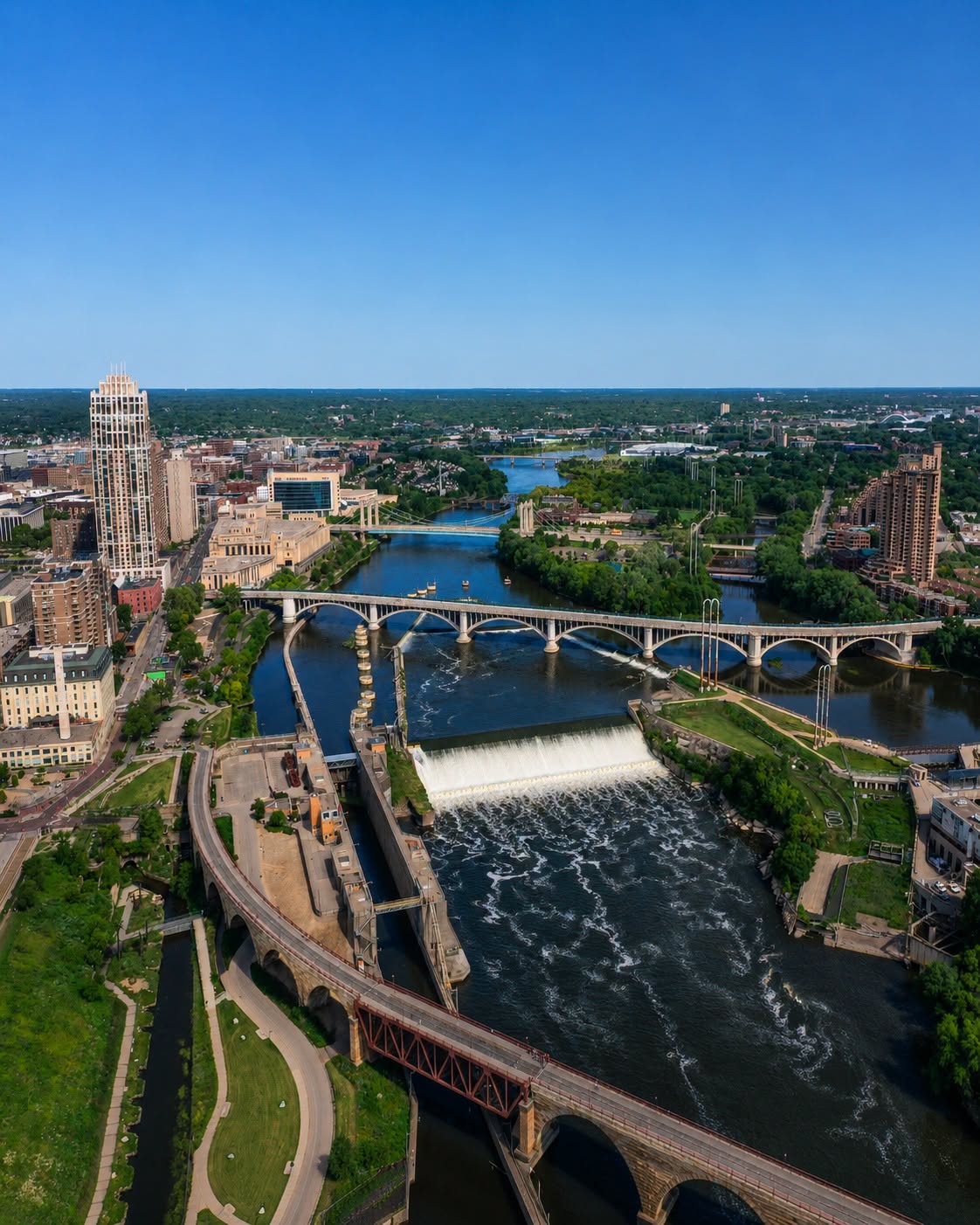
The site is Minnesota’s first National Historic Landmark and sits at the point where the Mississippi and Minnesota rivers meet, known as a Bdote in Dakota. The 23-acre area owned by the state and managed by the Historical Society is important to the history of the indigenous peoples in Minnesota, said Kevin Maijala, the society’s deputy director of learning initiatives.
“For Dakota people, this is a place that was significant both as a travelling point [and] probably a ceremonial point,” Maijala said. “For many Dakota, they consider it a place of origin for their people.”
The site is planned to undergo a $34.5 million revitalization program in early 2020 that will include improved landscaping and parking, and a new visitor center. The renovations will help visitors engage with the site’s history and the stories of people who’ve inhabited the site, which includes soldiers, enslaved African-Americans and Native Dakota and Ojibwe peoples.
“We’ve received excellent feedback from visitors to Historic Fort Snelling about the expanded programming we’ve developed with our community partners and about our plans for the site’s revitalization,” said Kent Whitworth, MNHS director and CEO. “MNHS remains solidly committed to our vision of telling the stories of all Minnesotans and serving all the people of our state.”
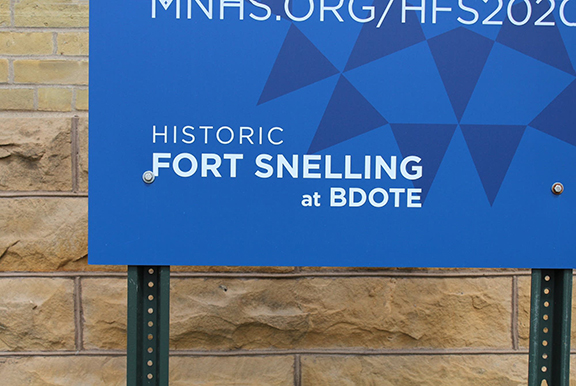
In 2017, the MNHS installed signs that read “Historic Fort Snelling at Bdote,” causing confusion at whether the site was renamed.
“When you change a name or you try to take a different approach, people just want to make sure they’re not losing what they love about a place,” Maijala said. “What we’re really trying to do is add to it.”
After the public input session ends Nov. 15, the MNHS board of directors will consider the information and make a recommendation in early 2020. If they decide to go forward with the naming, the recommendation will be sent to the state Legislature who will have the final say.
Hearing dates and locations
• Thursday, Oct 3, from 6pm to 8pm in Duluth
• Monday, Oct 7, from 6 to 8pm in Brooklyn Park
• Thursday, Oct 10, from 6 to 8pm in St. Cloud, Minn.
• Monday, Oct 14, from 6 to 8pm in St. Paul
• Thursday, Oct 17, from 6 to 8pm in Redwood Falls.
For info, see: http://www.mnhs.org/fortsnelling/naming.
Minnesota Public Radio News can be heard on MPR’s statewide radio network or online.