


By Max Nesterak/MPR News
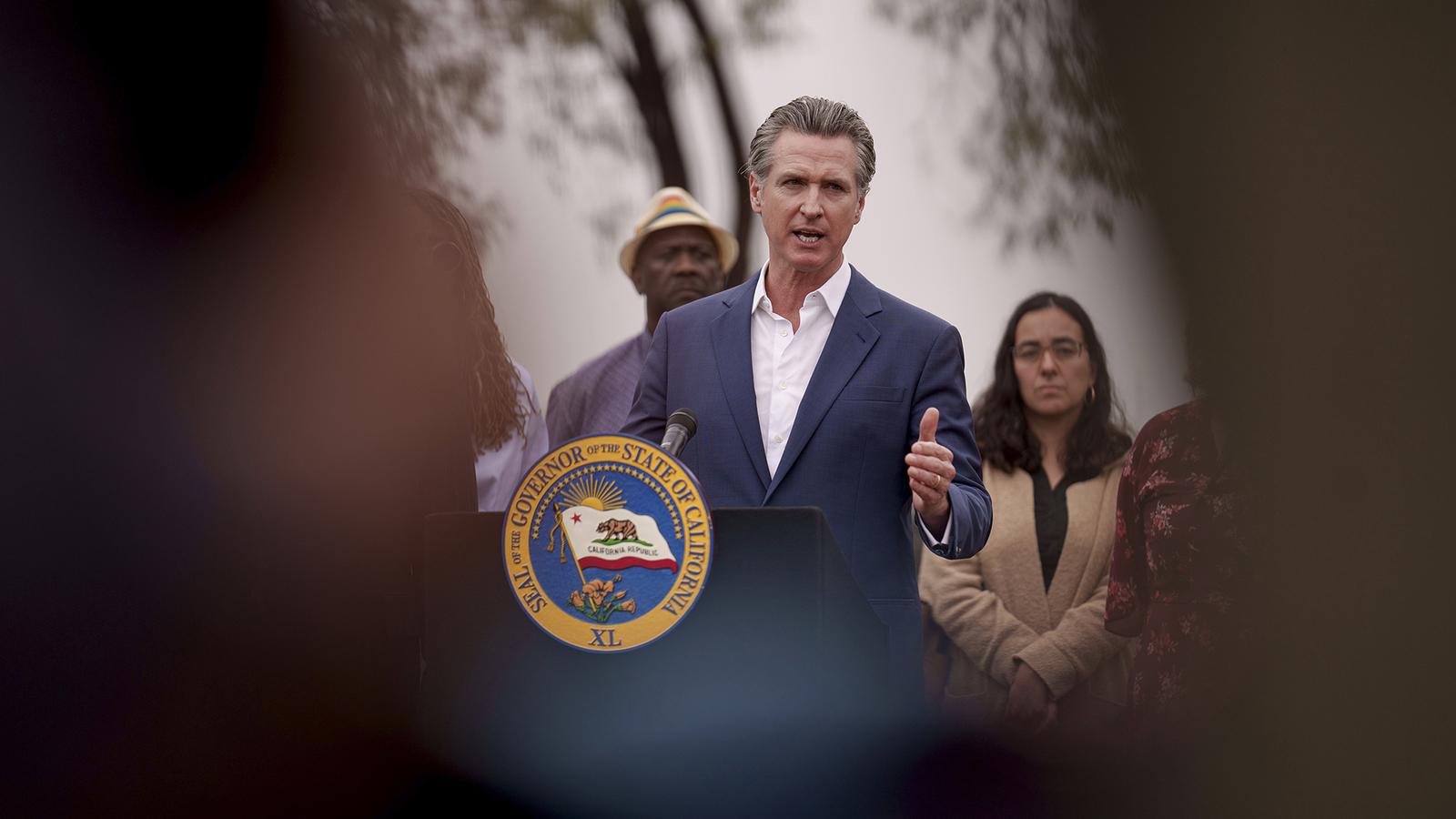
With prayer, song and gold shovels emblazoned with Ojibwe floral patterns, the Red Lake Nation broke ground September 14th on a 110-unit affordable housing complex in Minneapolis.
The $42 million apartment building is expected to be completed sometime next year and will also include a culturally-specific health care center, community space and a Red Lake Nation embassy serving band members living off the northern Minnesota reservation. The project is called Mino-Bimaadiziwin, an Ojibwe phrase that roughly translates to “live the good life.”
Such a development will be a first for Minnesota – and perhaps the first of its kind in the country. It’s rare for tribal governments to build housing in cities, even though two-thirds of Native people live in urban areas, not on reservations. Other culturally-specific housing developments, like Little Earth of United Tribes, are run by nonprofit groups.
“This building is for you. For you to take care of your families, your children, the next generation,” Red Lake Tribal Chairman Darrell Seki said, addressing the crowd gathered for the groundbreaking and for Red Lake’s annual picnic in the city.
Just a few months ago, the site near the Franklin Avenue light rail station was being used for an emergency shelter for more than 150 mostly Native people. Red Lake, the city of Minneapolis and their partners set up the temporary “navigation center” last winter in response to the largest homeless encampment in Minnesota in recent memory.
Native Americans are among the groups most likely to struggle with homelessness and substance use disorder, as well as other mental and physical health concerns.
“Many of us were displaced here through things such as relocation, such as boarding schools. And this trauma has hurt our people,” Red Lake Tribal Secretary Sam Strong said. “This development is the start of a path toward healing. It’s the start of a path toward bringing our people back together.”
Until the 1970s, the federal government ran boarding schools aimed at assimilating Native children into white, mainstream American society. It also ran a program from 1952 to 1973 that moved Native families from reservations to urban areas.
The project is being funded with support from 18 sources including the city of Minneapolis, Hennepin County, the Metropolitan Council, the Shakopee Mdewakanton Sioux Community and Raymond James. People involved in the project said such a large number of funders is unheard of.
“People believe in what we’re doing here. They believe in uplifting our people. And they believe we need more resources to get back to that ‘mino-bimaadiziwin,’ ” Strong said.
Minneapolis Mayor Jacob Frey, who’s made affordable housing one of his key priorities, lauded the project for including “deeply affordable” units for people making as little as 30 percent of the area median income (about $30,000 a year for a family of four).
“We believe that housing is a right and every person should be able to have a foundation from which they can rise,” Frey said, noting it can be less costly to provide housing for people than to have people cycle through shelters, hospitals and sometimes jail.
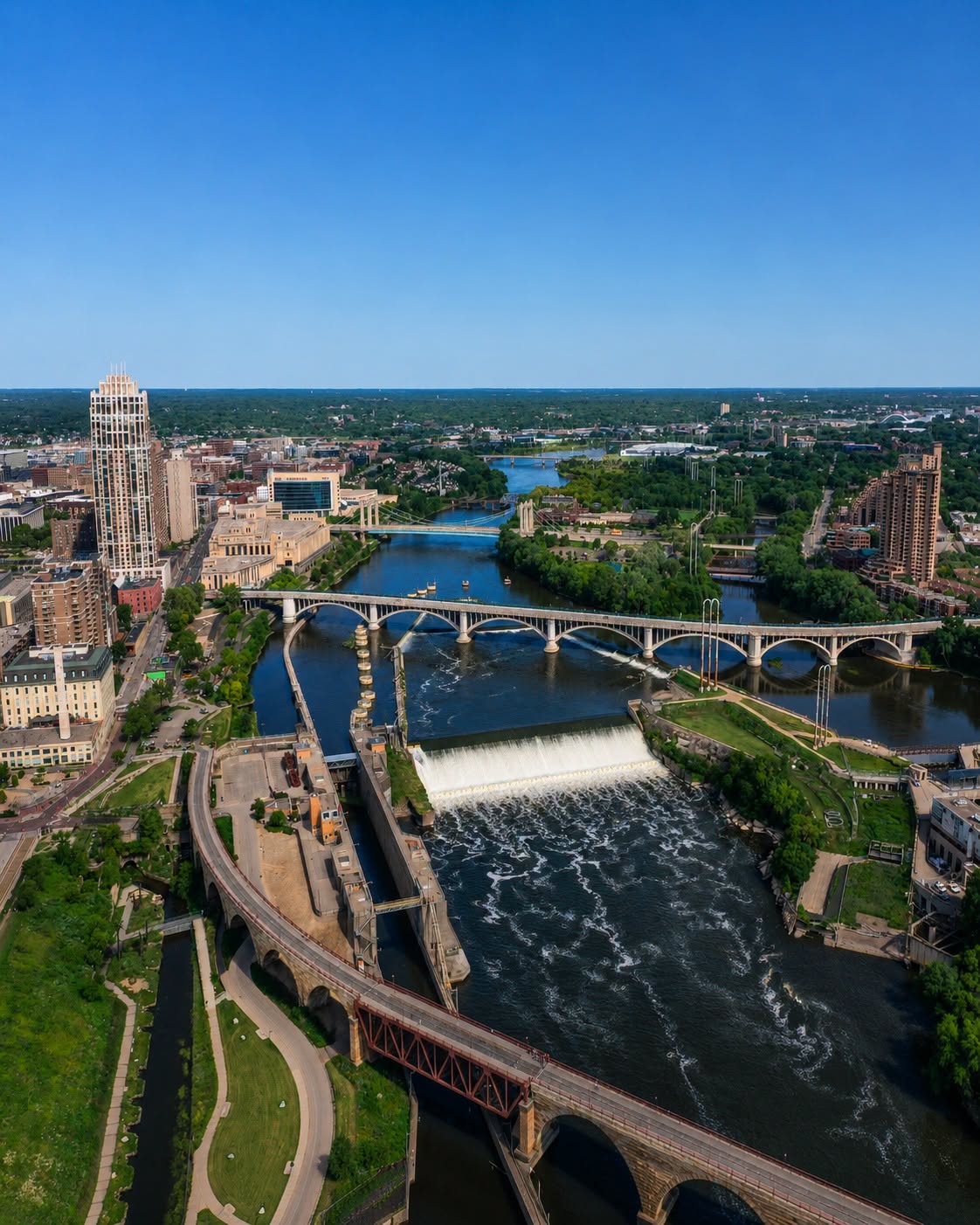
Minneapolis is home to the largest number of Red Lake band members living off the reservation. More than 15,000 American Indian people live in the Twin Cities metro area.
Minnesota Public Radio News can be heard on MPR’s statewide radio network or online.