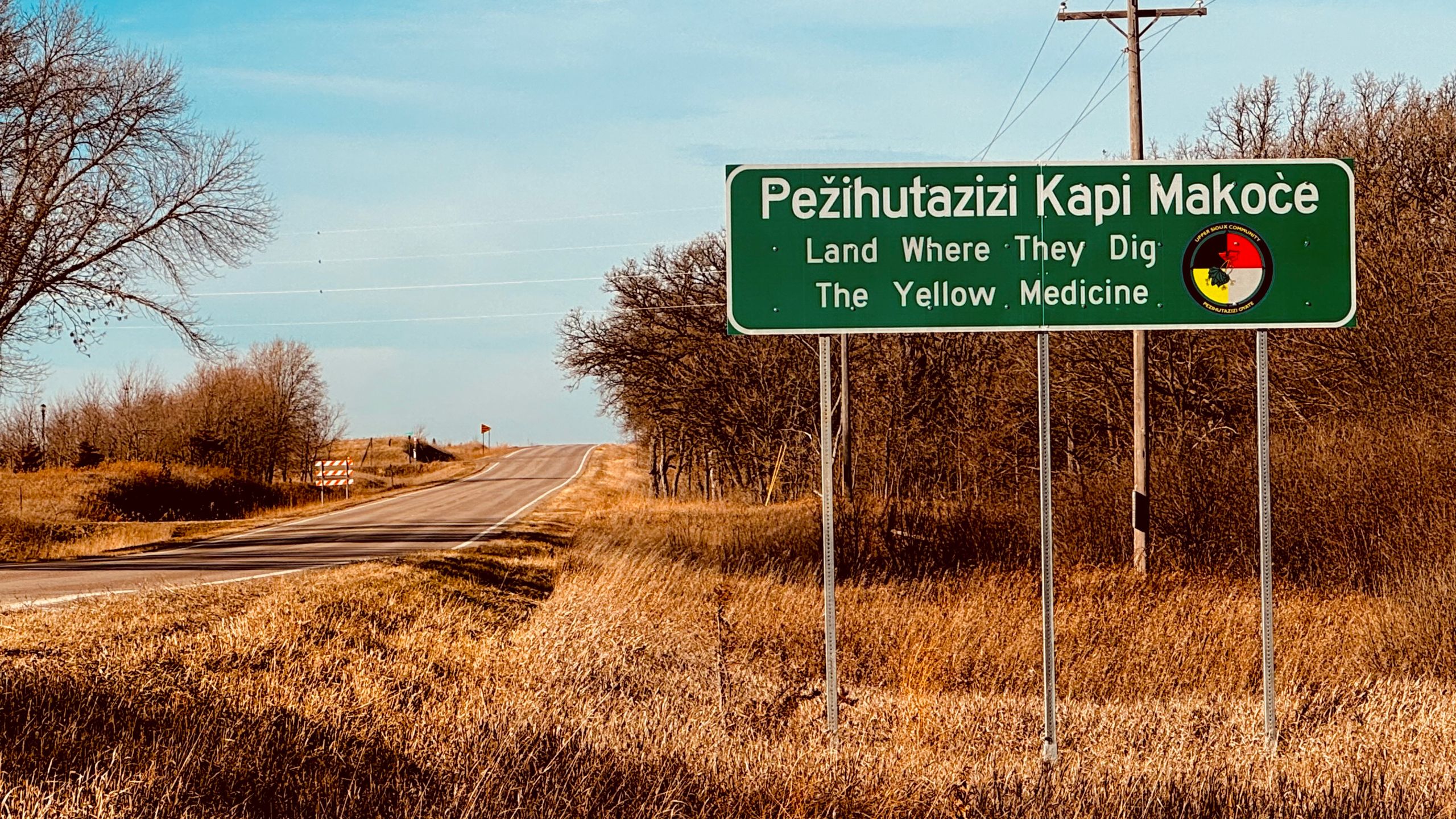
Efforts to preserve and strengthen Dakota and Ojibwe languages continue across Minnesota through schools, Tribal Nations, immersion programs, and community organizations.
Minnesota is supporting that work through multiple language revitalization programs during the current biennium, including grants administered by the Minnesota Indian Affairs Council and Minnesota Department of Education.
The Minnesota Department of Education made up to $13.5 million available in its initial 2026-27 Native Language Revitalization grant round.
The funding is available to school districts, charter schools, and Tribal contract schools to provide instruction in Dakota and Anishinaabe languages, as well as other Indigenous languages in the United States or Canada.
According to MDE, the funding can support language teachers, program supplies, and curriculum resources.
The Minnesota Indian Affairs Council also administers grants specifically supporting Dakota and Ojibwe language preservation and revitalization.
MIAC describes its role as helping protect, preserve, and revitalize Minnesota’s Dakota and Ojibwe languages. Its language funding supports a range of approaches, including competitive community grants, immersion programs, and direct funding for Tribal Nations.
Previous recipients of MIAC immersion funding have included programs at Bois Forte, Fond du Lac Tribal and Community College, Lower Sioux, Red Lake and Niigaane.
Language revitalization efforts can take many forms, from early-childhood immersion and classroom instruction to community language tables, curriculum development and opportunities for adults to become speakers.
For Native communities, the work is also closely connected to culture and identity.
MDE’s current Native Language Revitalization program describes Indigenous languages as important links between children, their cultures, their identities and older generations.
Minnesota’s investments come during the United Nations International Decade of Indigenous Languages, which runs from 2022 through 2032 and seeks to draw attention to the endangered status of Indigenous languages worldwide.
In Minnesota, efforts to strengthen Dakota and Ojibwe are happening not only through government-funded programs but also through the daily work of fluent speakers, language teachers, elders, families, and community members.
Those efforts share a common goal: creating opportunities for Native languages to be spoken, taught, and carried into future generations.
Sources:
- Minnesota Department of Education – Native Language Revitalization Grant Competitive Opportunity, 2026–27
- Minnesota Indian Affairs Council – Language Revitalization
- Minnesota Indian Affairs Council – Dakota and Ojibwe Language Revitalization Grants
- Minnesota Indian Affairs Council – 5th Annual Dakota and Ojibwe Language Symposium