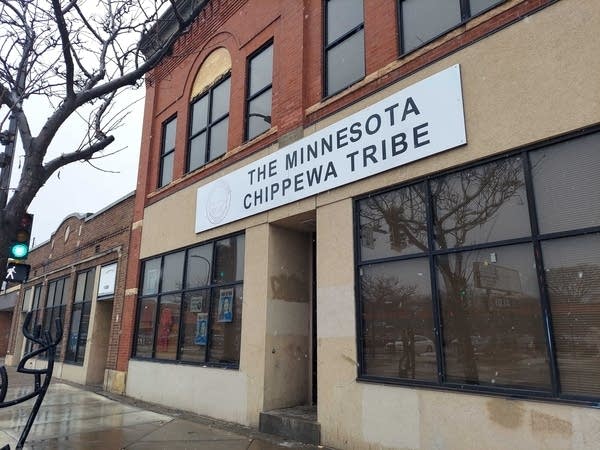


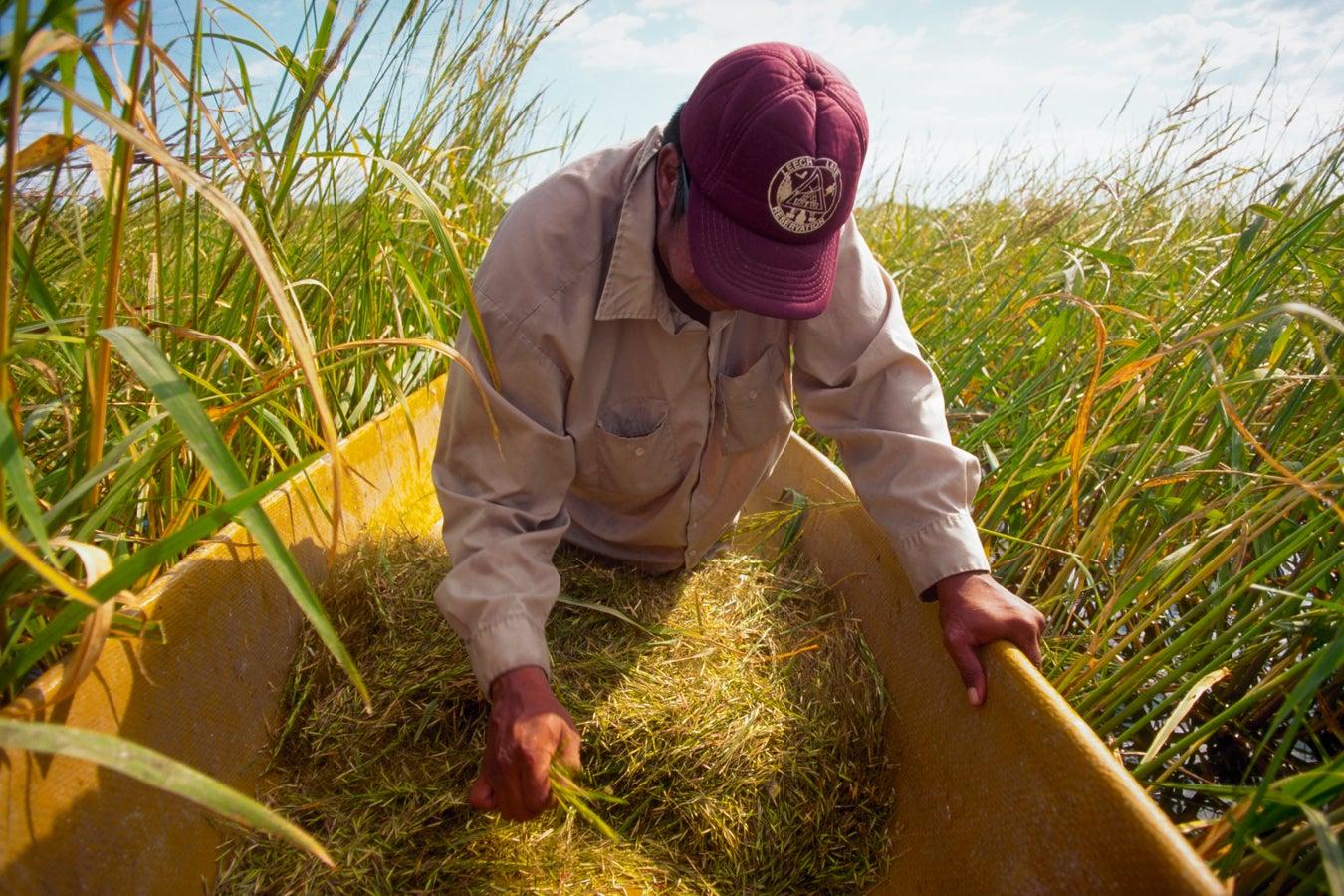
The Grand Portage Band of Lake Superior Chippewa and Bois Forte Band of Chippewa are calling on Minnesota to take a broader look at the cumulative effects of mining and other extraction across northeastern Minnesota’s 1854 Treaty Ceded Territory.
The two Tribal Nations announced Sept. 23 that they will formally request the Minnesota Environmental Quality Board to order a Generic Environmental Impact Statement, or GEIS, covering approximately 5.5 million acres across northeastern Minnesota.
The territory includes all of Cook and Lake counties, most of St. Louis and Carlton counties, the northern portion of Pine County and a small portion of east-central Aitkin County.
Rather than examining the environmental effects of one proposed project at a time, a GEIS can provide a broader analysis of an environmental issue, region, or activity type.
The Minnesota Environmental Quality Board describes the process as a tool for studying environmental issues that are not adequately reviewed on a project-by-project basis. Minnesota has previously used the process for timber harvesting and forest management and for animal agriculture.
Grand Portage and Bois Forte want the proposed study to examine the combined effects of past extraction, existing operations, currently proposed projects, and reasonably foreseeable future development.
According to the Bands’ announcement, areas they want studied include sulfate, mercury, and methylmercury; wetlands; surface and groundwater hydrology; mine dewatering; tailings and waste rock; air deposition; habitat alteration; and the long-term sustainability of treaty-protected resources.
The Bands are also asking Gov. Tim Walz and state agencies to temporarily refrain from approving new extraction permit applications within the proposed study area until the cumulative review is completed and affected Tribal Nations have been meaningfully consulted about the results.
The request comes as Minnesota considers additional mining development in northeastern Minnesota and as it considers a new wastewater permit for U.S. Steel’s Minntac taconite operation near Mountain Iron.
The Minnesota Pollution Control Agency’s draft Minntac permit would add interim and final sulfate limits for surface water and groundwater, additional monitoring stations and a compliance schedule involving wastewater treatment and groundwater-control measures.
For Grand Portage and Bois Forte, however, the issue extends beyond Minntac or any single mine.
“Wild Rice and fish don’t know where one permit ends and another begins,” Bois Forte Chairman Carlos Hernandez said in the Bands’ announcement. “The State divides these impacts into individual projects, but nature doesn’t.”
The proposed study also matters because of the treaty-reserved rights connected to the region.
Under the Treaty of La Pointe of 1854, the Grand Portage, Bois Forte and Fond du Lac Bands retained rights to hunt, fish and gather throughout the ceded territory.
Today, the 1854 Treaty Authority works on behalf of Grand Portage and Bois Forte to protect and implement off-reservation hunting, fishing, and gathering rights while managing and monitoring natural resources throughout the territory.
The Bands say healthy natural resources are essential for those treaty rights to remain meaningful.
“We are not asking Minnesota to shut anything down,” Grand Portage Chairman Robert Deschampe said. “We know how important mining is to this region. We are saying: know what is already in these waters before approving what comes next. Study the whole picture first. Then make the decisions.”
The Bands’ announcement said a GEIS would not shut down existing mines or replace environmental reviews required for individual projects. Existing mines and businesses would continue operating.
The Minnesota Pollution Control Agency’s draft Minntac wastewater permit is currently open for public comment through Oct. 12. The agency will also hold a public informational meeting on Sept. 29 in Virginia, Minnesota.
Sources: