
No data was found

Orange Shirt Day: Every Child Matters

Writer
Share :
Facebook
X
No data was found

Every year on September 30, people across Canada and the United States wear orange shirts to honor Indigenous children affected by residential and boarding schools and to remember the survivors, families, and communities who continue to carry their impacts.

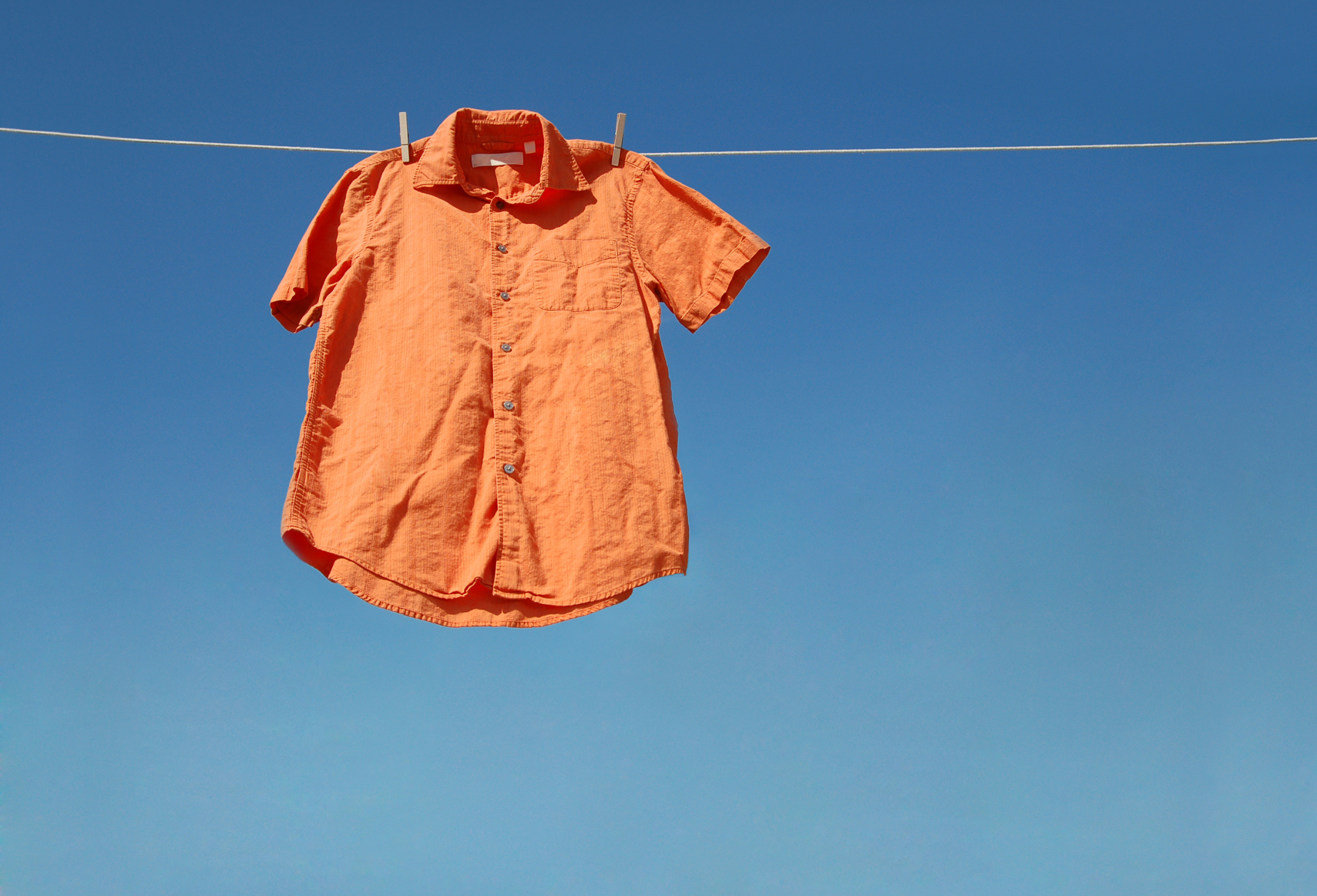
Orange Shirt Day began in Williams Lake, British Columbia, Canada, following the 2013 St. Joseph Mission Residential School Commemoration Project and Reunion. The movement grew from the story of Phyllis (Jack) Webstad, a former student who was six years old when she was taken to residential school. Her grandmother bought her a new, bright orange shirt, but the school took it away on her first day. For Phyllis, the shirt came to symbolize how the residential school system attempted to take away children’s identity, culture, family connections, and sense of belonging.

The phrase “Every Child Matters” became the movement’s central message. It recognizes survivors and their families, as well as the children who died at or because of the schools, and affirms that Indigenous children, past and present, deserve to be valued, protected, and connected to their families and cultures.

Although Orange Shirt Day began in Canada, its message resonates strongly in the United States because the U.S. also operated a vast system of American Indian boarding schools. For generations, Native children were separated from their families and communities, often forbidden from speaking their languages and practicing their cultures, and subjected to harsh discipline and abuse. The effects continue across generations through language loss, cultural disruption, family trauma, and unresolved grief.

For Native communities, participating in Orange Shirt Day is an opportunity to remember, educate, and continue the work of healing. For non-Native people, it is an opportunity to learn about a history that is often left out of classrooms and to listen to Indigenous survivors, relatives, and communities.

Learning the history, listening to Native voices, supporting Indigenous languages and cultures, and creating safer futures for Native children are all ways to put “Every Child Matters” into action.


Sources: PBS, Orange Shirt Society

Writer,
General News
Miiskogihmiiwan “Miisko” Poupart-Chapman is a Dakota and Ojibwe writer, artist, and social media coordinator for The Circle. She is Dakota from the Sisseton Wahpeton Oyate, an enrolled member of the Lac du Flambeau Band of Lake Superior Chippewa, and Bear Clan. Her work celebrates Indigenous voices, creativity, and community.

This reporting is made possible by readers like you.

The Circle is a nonprofit newsroom with no tribal affiliation, no corporate ownership, and no paywall. Independent Native journalism depends on reader support.

Advertisement

NOV-JAN Federal Changes Ad (1080 x 1080 px) - The Circle (1)

Recent Stories

Advertisement

RWRE-Battery-Digital_1000x2110

More From Community NewsEventsNational BriefsNews

Senator-Elect Peggy Flanagan Makes History, Outlines Priorities for Native Communities

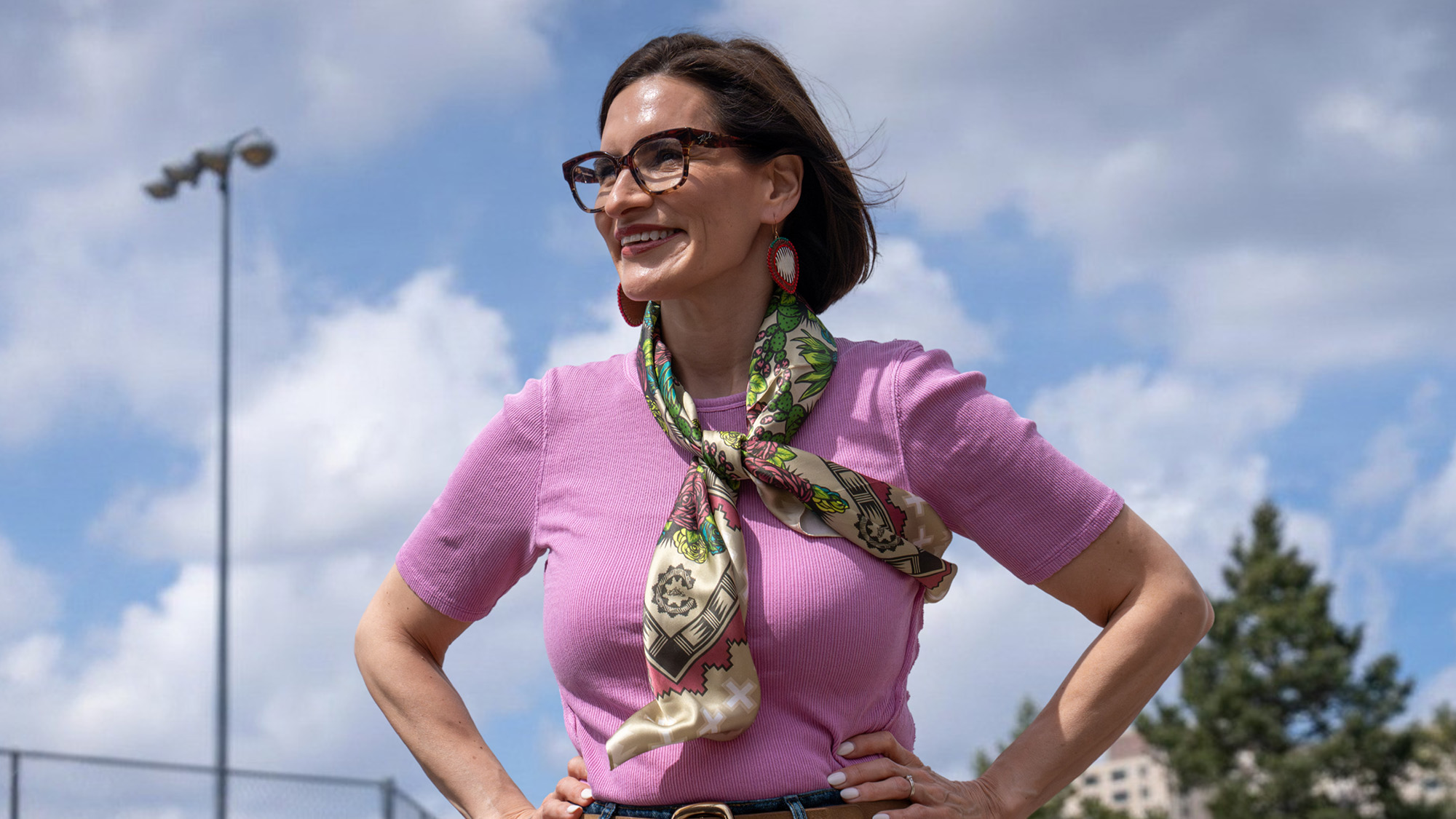
Following her historic election as the first Native American woman elected to the United States Senate, Minnesota Senator-elect Peggy Flanagan spoke with Native journalists about her victory, legislative priorities, and the importance of Indigenous representation in government. Flanagan, a citizen of the White Earth Nation, hosted a press call for Native reporters and Native-led media […]

Minnesota Regulators Approve Pipestone Pipeline Reroute Despite Tribal Opposition

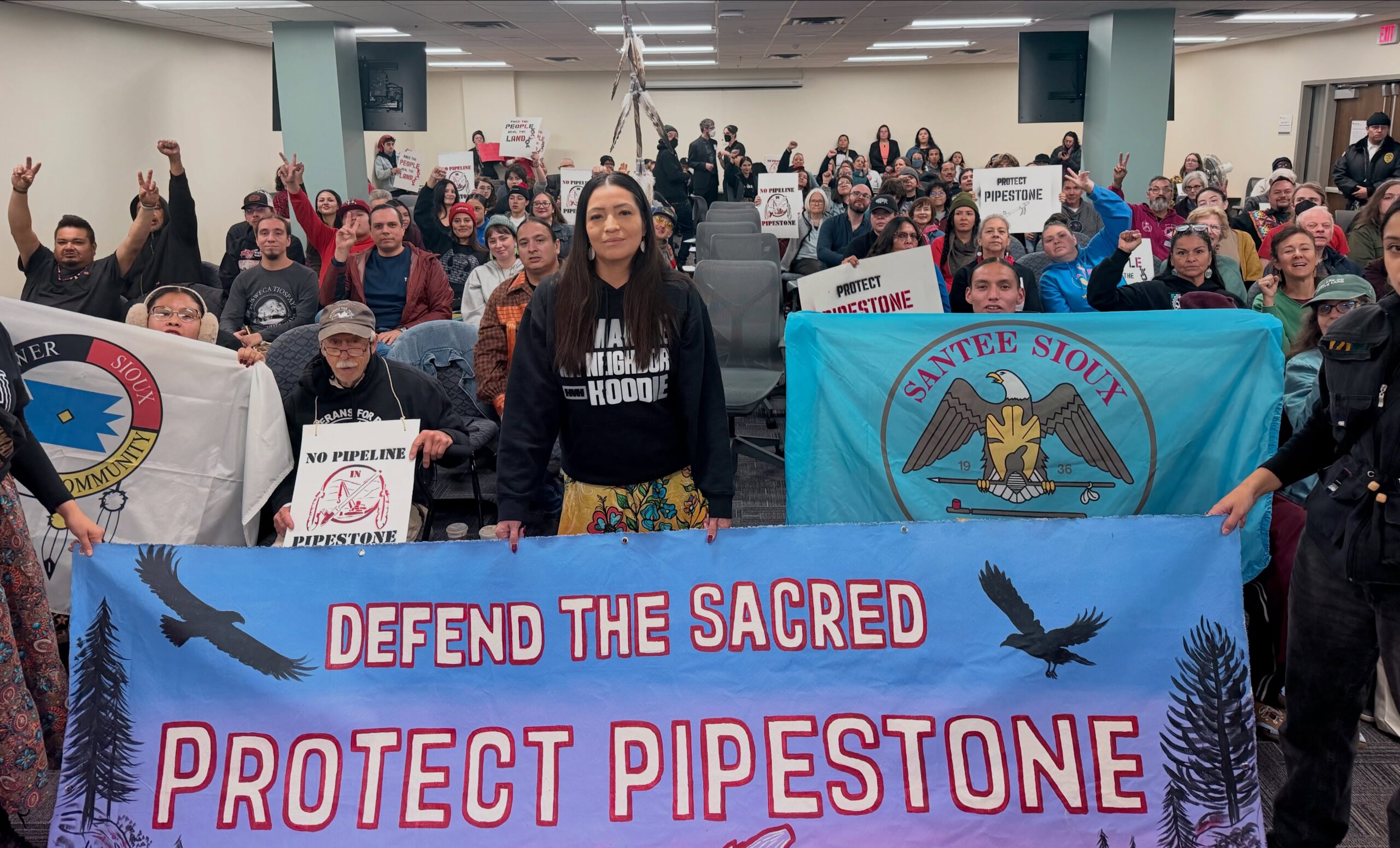
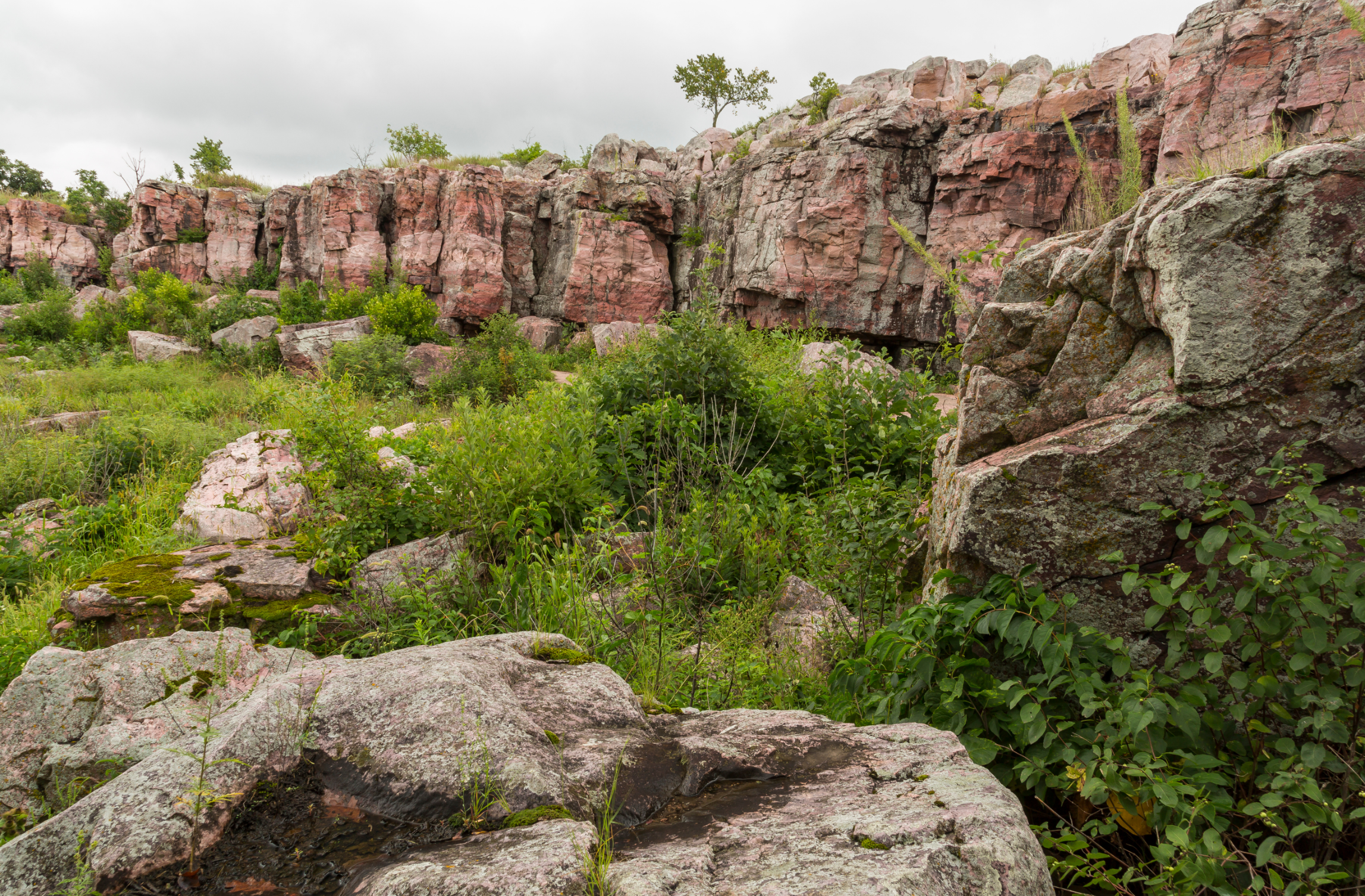
ST. PAUL, Minn. — The Minnesota Public Utilities Commission (PUC) voted 4-1 on November 5th to approve a conditional route permit for a petroleum pipeline reroute near Pipestone National Monument in southwestern Minnesota, despite opposition from Tribal Nations and Indigenous land protectors. The decision allows Magellan Pipeline Company, owned by ONEOK, to move a portion […]

What Is Section 106 and Why Does It Matter for Tribal Nations?

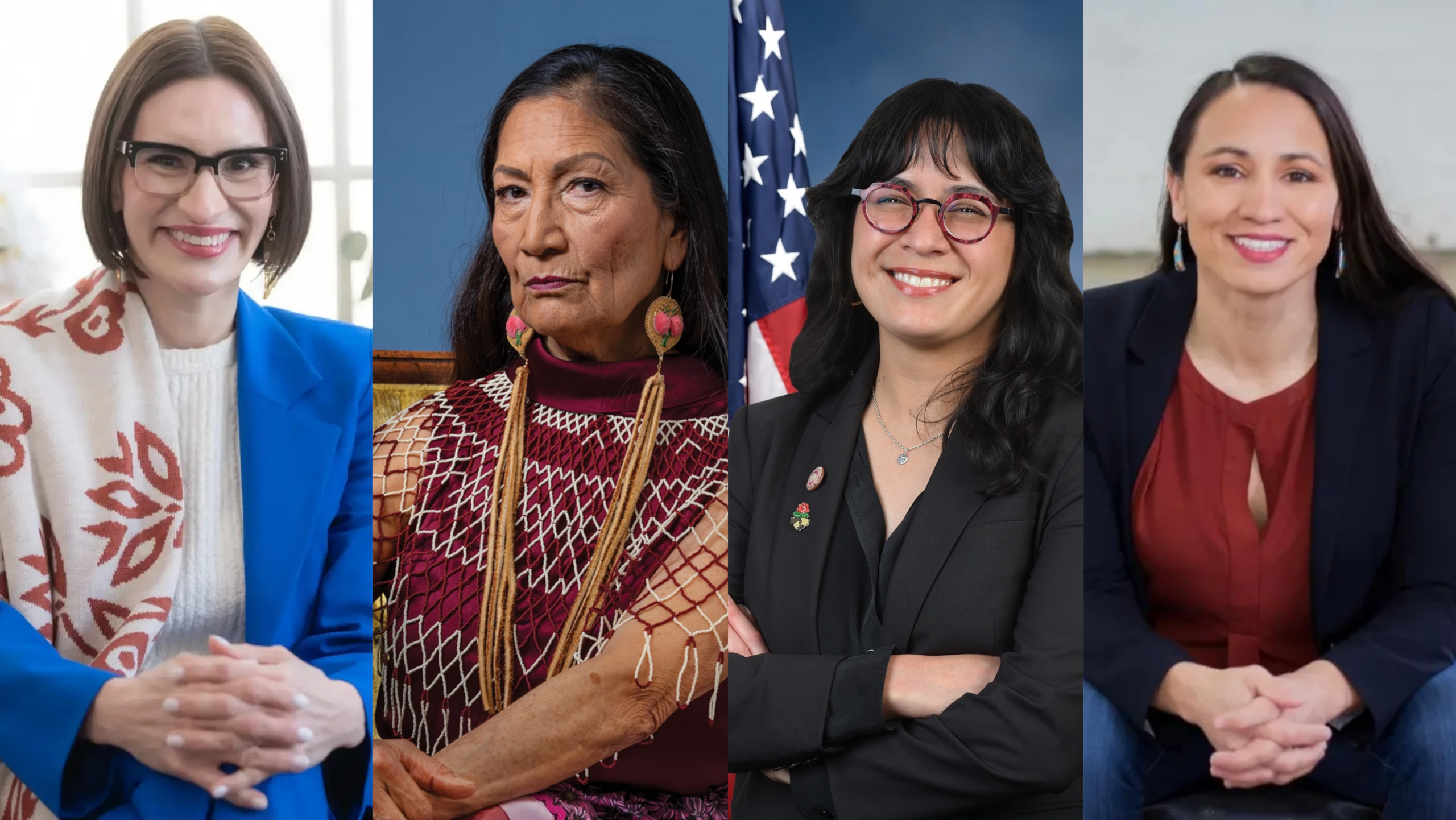
Before a federally funded or permitted project moves forward, who gets a say in whether it could damage historic places? Section 106 of the National Historic Preservation Act of 1966 allows Tribal Nations, preservation officials, and the public to help answer that question. It requires federal agencies to consider how their projects could affect historic […]

No data was found

Search The Circle

Find stories, columns, events, and magazine features.

Help The Circle Recover & Preserve Native History

FIRE RECOVERY & ARCHIVE PRESERVATION FUND

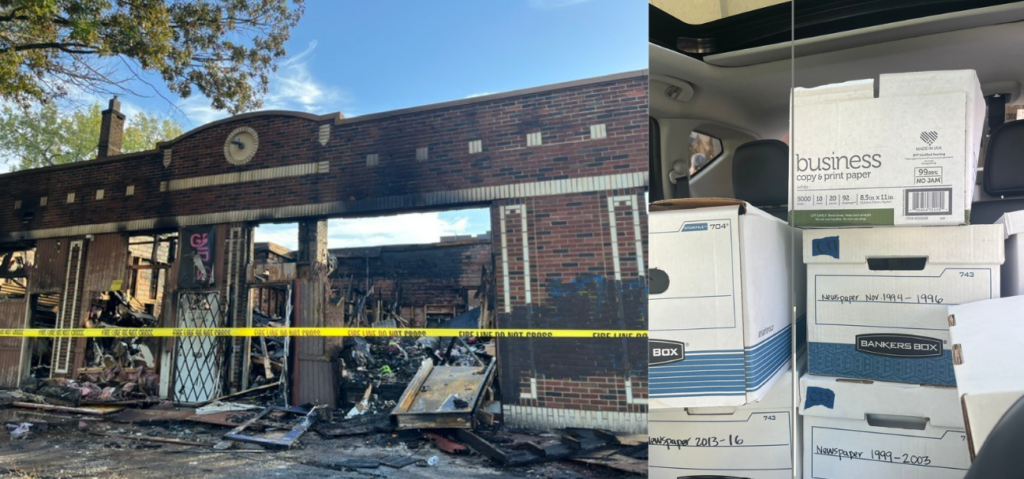
A recent fire at the building housing The Circle’s office has created unexpected challenges for our independent Native newspaper.

Thankfully, with the help of community members, we were able to recover our newspaper archives dating back to the 1980s. These irreplaceable records preserve decades of Native community history, cultural knowledge, and stories.

Your donation will help The Circle recover from the fire, protect our historical archives, and continue sharing Native voices for generations to come.

Every contribution makes a difference.

Pinagigi — Thank you for helping preserve generations of Native stories.