

By Eddie Chuculate
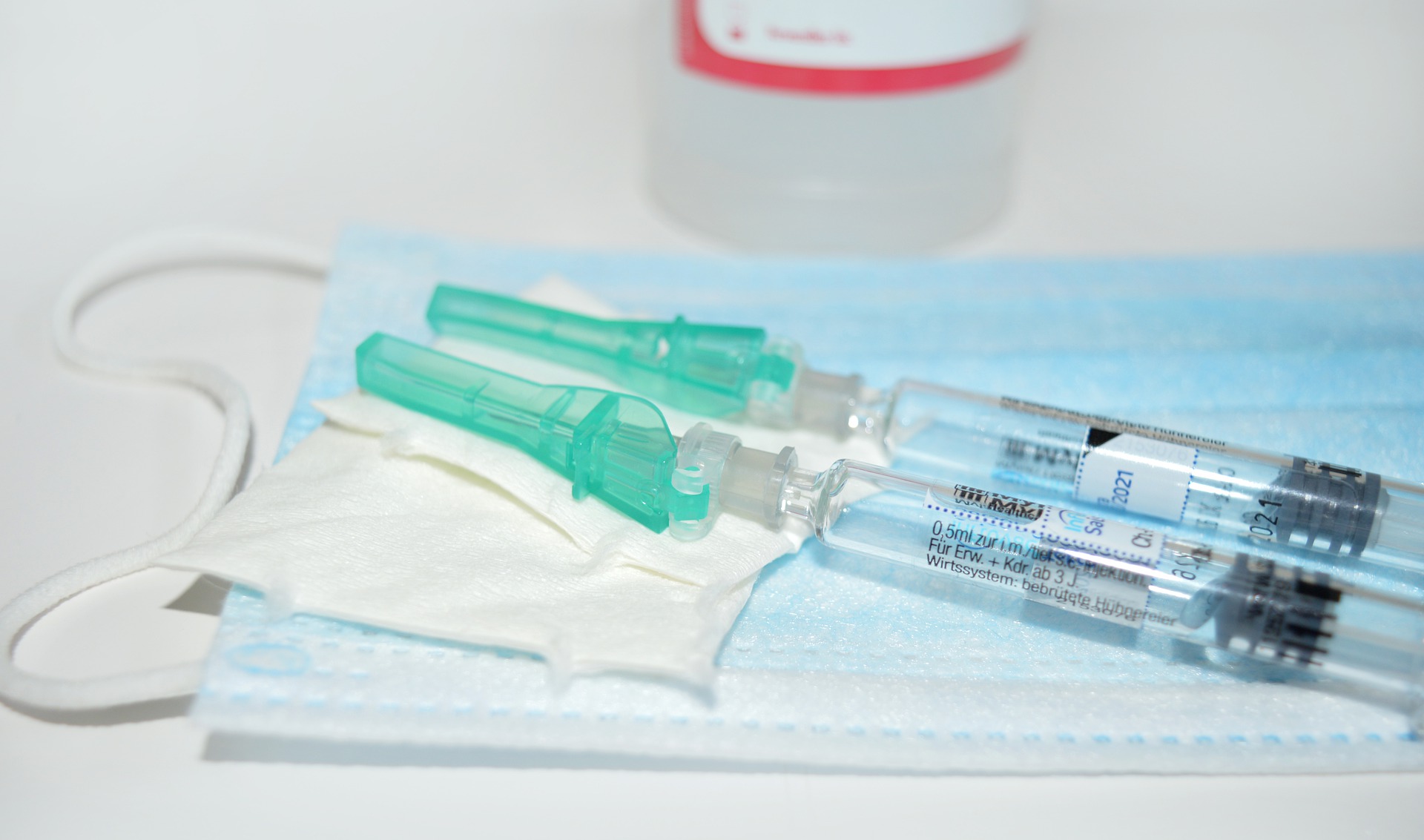
The Minnesota Department of Health is recommending that Native Americans get a flu shot this season, especially during COVID-19, as catching the flu would weaken your immune system and make you even more vulnerable to the deadly coronavirus disease.
“The flu vaccine will not protect you from COVID-19,” the MDH said in a statement. “However, like COVID-19, the flu is a respiratory illness that can make people very sick. It is possible to get flu and COVID-19 at the same time, but we don’t know yet how often that could happen. That’s why it’s important to take steps to prevent both diseases.”
The Native American Community Clinic at 1213 E. Franklin Av. in Minneapolis hosted a curbside event providing flu shots on Oct. 15 and plans more flu shot drives in the future, said CEO Antony Stately. It is currently working on a contract with the city of Minneapolis for flu shot clinics, Stately said Oct. 19. (Call 612-872-8086 for more information.)
On Oct. 29 NACC will administer free flu shots at an early-voting event at American Indian OIC at 1845 E. Franklin Avenue from 11 a.m.-2 p.m.
Representatives from the Indian Health Board in Minneapolis said to call 612-721-9800 to schedule a flu shot.
Dr. Mitchell LaCombe at the Indian Health Board said walk-ins were discouraged in lieu of telephone screenings beforehand. LaCombe said the clinic, at 1315 E. 24th St. in Minneapolis, has arranged its areas to separate people who are ill to reduce chances of exposure to viruses. And it is offering drive-up vaccinations if scheduled beforehand.
“We’re a full-scope clinic from newborns to geriatrics and everything in between,” he said. “So we want to be sure to do everything to ensure maximum safety.”
LaCombe said the clinic has more powerful doses of flu vaccine recommended for people 65 years old or over, but those doses are not in abundance and could become scarce nationwide. He recommends people in that age group to “shop” around for the more powerful dose.
“The sooner the better,” LaCombe said. “When you have the vaccine injected in you it takes about two weeks for your immune system to ramp up.”
LaCombe also emphasized that people with tightly controlled diabetes are on the same playing field when it comes to complications from coronavirus or the flu. “I don’t want people thinking that just because they have diabetes then there’s nothing they can do,” LaCombe said. “You’re less likely to have adverse effects from the coronoavirus, flu, cold or pneumonia if you have your sugars under control.”
Especially during the coronavirus, with an ongoing surge of coronavirus cases expected to last into the winter, officials say a flu outbreak could overrun medical facilities, hospital rooms and doctors and nurses already feeling the strain from COVID in what some are calling a “perfect storm.”
“With both the flu and COVID-19 circulating this fall and winter, we want to do everything we can to keep Minnesotans healthy so we do not overwhelm our health care system,” the MDH said.
Dr. Anthony Fauci, director of the National Institute of Allergy and Infectious Diseases, said getting a flu shot was important. “We should try the best that we can to get as many people vaccinated with the flu shot as we possibly can,” Fauci said, adding that the general recommendation from the Centers for Disease Control and Prevention is that people 6 months of age and older get the flu vaccine before the end of October.
According to the CDC, American Indians and Alaska Natives in general are at a higher risk of developing complications from the flu than other races, with flu and pneumonia (which can develop from the flu) both being listed among the Top 10 causes of death for Native people.
Even more susceptible to flu complications are Natives who are young or elderly, pregnant, have diabetes, severe obesity, heart disease, asthma or lung problems, the CDC said.
The CDC recommendations to help fight the flu are similar to COVID precautions, such as frequent hand washing, staying home if feeling ill and covering your coughs or sneezes.
The Indian Health Service says experts aren’t sure exactly why that, nationwide, Native Americans are at higher risk of flu complications, but reasons could include socioeconomic factors that result in reduced access to health care and crowded living conditions.
To find other locations for flu clinics, visit Vaccine Clinic Look-Up – Minnesota Dept. of Health at https://www.health.state.mn.us/people/immunize/basics/vaxfinder.html
Learn how to protect yourself and others, at https://www.health.state.mn.us/diseases/coronavirus/prevention.html