
BY NEO BHAVSAR
The over representation of Native Americans in the U.S. criminal justice system marks a systemic problem within our society. Even though there is no direct, linear relationship indicating that all Native Americans are targeted, racial disparities permeate every aspect of our criminal justice system. For instance, racial minorities and in this case, Native Americans, are more likely to be arrested than members of majority populations or Caucasians. Following their arrest, Native Americans are more likely to be convicted for crimes. Once charged with a given crime, Native Americans are more likely to be sentenced to longer and harsher sentences.
Incarceration, or the state of being in prison, is a state all too familiar to the Native American population in the United States. Many people are aware that African-Americans are racially targeted by the police and law enforcement, and that they make up a majority in our prisons. While this is true, people are unaware of the fact that Native-Americans are disproportionately targeted and jailed even more so than African-Americans. Native-Americans compose roughly 1%of the American population, yet make up 10% of those incarcerated. In Minnesota for instance, Caucasians constitute 83% of the population, but are only 47% of those incarcerated. What are the factors that contribute to this discrepancy?
During the exploration and development of North America and the West during the 19th and 20th centuries, Native American culture was never viewed as valuable or relevant to American society and resulted in the isolation and condemnation of Native Americans to reservations. The discrimination that Native Americans faced when America was first colonized still continues today. Ralph Erickson, a chief federal district court judge in North Dakota elaborates on this discrimination when he says, “I find it gut-wrenching when I am asked by a family member of a person I have sentenced why Indians are sentenced to longer sentences than white people who commit the same crime.”
This discrepancy occurs because Native Americans are prosecuted under federal law. Criminals of other races, however, are prosecuted under state law, resulting in lighter sentences. Native Americans are prosecuted under federal law for offenses because of the federal jurisdiction of crimes on reservations.
There are five main reasons why federal charges are typically harsher than state criminal charges. First, federal statutes have harsher sentencing laws. This means that the possible punishments a judge is able to order against persons convicted under federal law can be much longer and more severe than those who are convicted under state law. Second, the maximum punishment for federal crimes is much higher. Third, federal prosecutors have almost no inclination to negotiate plea bargains. Fourth, federal judges are typically more stringent on sentencing decisions due to inflexible sentencing guidelines mandated under federal law. State judges possess much more latitude. Finally, most crimes under federal law entail supplementary punishment enhancements. Although there is a delineation of the system which Native Americans go through when sentenced vis a vis that of their non-Native American counterparts, the difference in federal and state sentencing does not justify the over representation of the indigenous population being incarcerated.
The United States incarcerates more individuals than any other nation. In Minnesota, in particular, Native Americans have the highest ethnic representation in the prison system. It is vital to continue the dialogue on the topic of mass incarceration and its impact in the context of white supremacy and its manifestation on marginalized populations in the Minnesotan community.
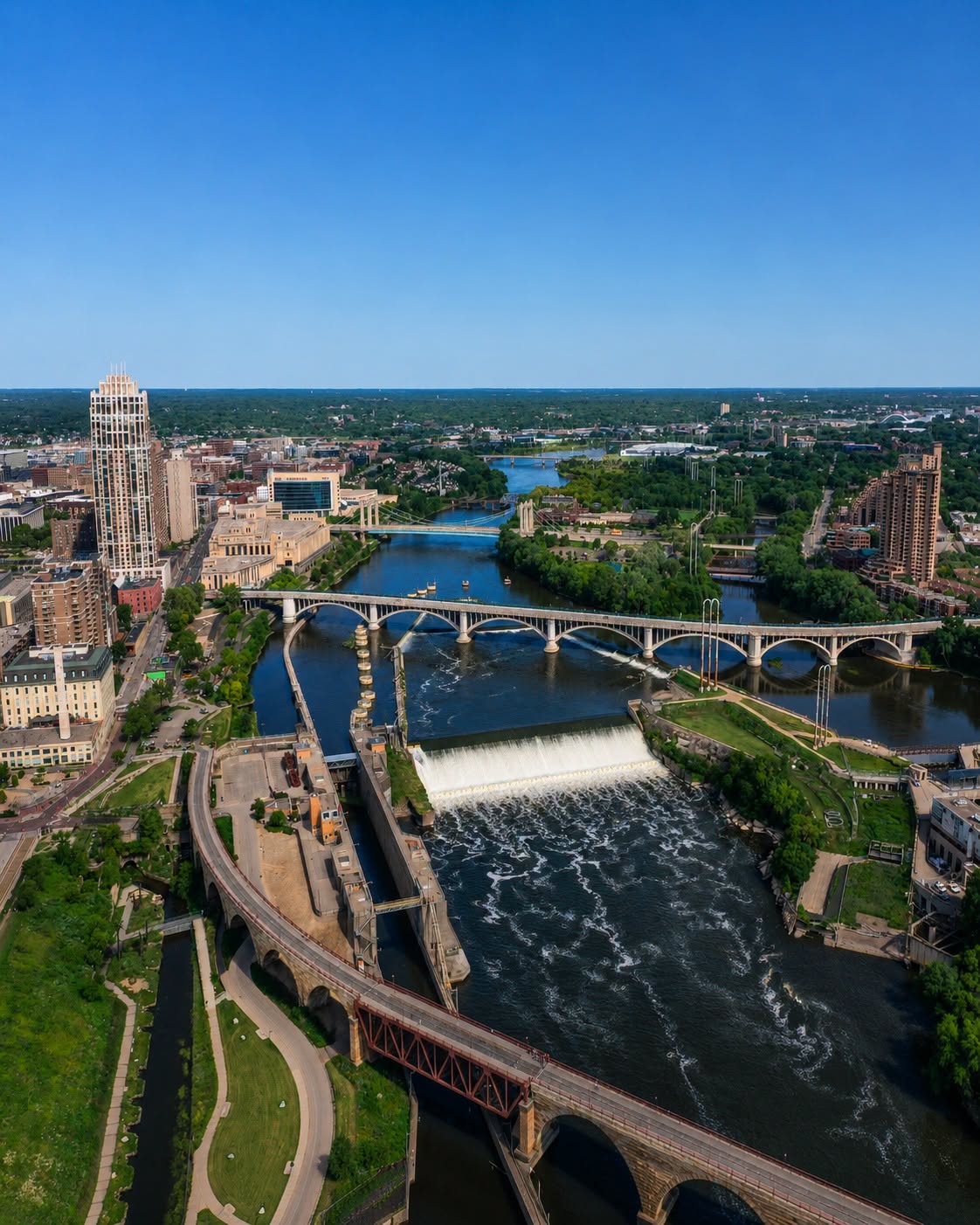
In order to understand how racism and inequality is implicated in mass incarceration, it is important to first research at the micro-political level. In Minnesota, Native Americans, among other minority groups, are faced with the highest rates of incarceration. It is ironic that, as a state whose history is very much bound with the development of Native American society, our public school curriculum in Minnesota often fails to address events such as the Ft. Snelling concentration camp and the US-Dakota War.
Through activism and resistance to overarching imposing institutional structures, we can open the dialogue on the injustices of mass incarceration and effect change in our criminal justice system. Societal awareness is critical to achieving any material change within a system. Only then can solutions be forged and laws be changed.