
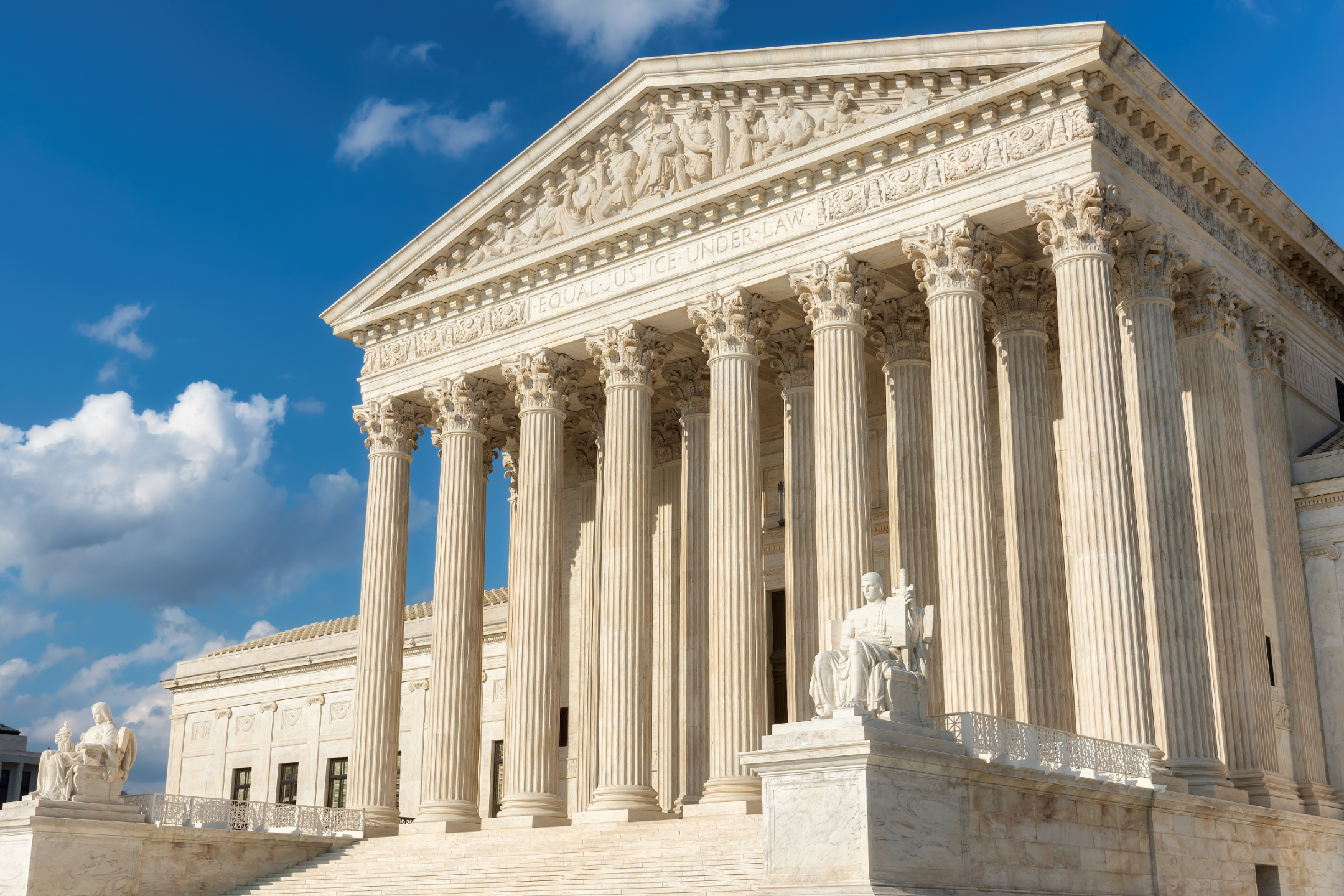
The U.S. Supreme Court declined to hear a challenge to the Indian Child Welfare Act (ICWA) on Oct. 5, leaving Minnesota court decisions in place supporting the placement of Red Lake Nation twins with their maternal grandmother.
The case, N.R. v. Ellison, challenged both ICWA and the Minnesota Indian Family Preservation Act (MIFPA). Former non-relative foster parents argued that the laws violated the Constitution’s Equal Protection Clause and sought to intervene in the children’s child-protection proceedings.
The children’s mother, Red Lake Nation, state and county officials, and the guardian ad litem supported placement with the grandmother. A juvenile court denied the former foster parents’ request to intervene. The Minnesota Supreme Court upheld that decision, finding they lacked standing.
The denial leaves those rulings in place; it does not constitute a new Supreme Court ruling on the laws’ constitutionality.
Congress enacted ICWA in 1978 in response to widespread removal of Native children from their families and Tribal communities. It establishes standards for state child welfare proceedings, prioritizes family and Tribal connections, and recognizes Tribal Nations’ role in matters involving their citizens. MIFPA provides additional protections for Native families in Minnesota.
Opponents claim the laws discriminate based on race. Indigenous legal scholars maintain that ICWA rests on Tribal citizenship and the government-to-government relationship between Tribal Nations and the United States.
The Native American Rights Fund, which represented the children’s mother alongside local counsel, welcomed the denial. The Protect ICWA Campaign also praised the outcome, emphasizing the importance of preserving Native children’s family, community, and cultural connections.
Sources:
- Native News Online, Levi Rickert, “Supreme Court Declines Challenge to Indian Child Welfare Act,” Oct. 6, 2026.
- The Imprint, Nancy Marie Spears, “Supreme Court Denies Latest Challenge to Indian Child Welfare Act.”