

DFL_GOTV2026_WebBanner 1800×150 px

Totem Pole travels to Washington D.C. for the environment

Staff Reporter
Share :
Facebook
X
DFL_GOTV2026_WebBanner 1800×150 px

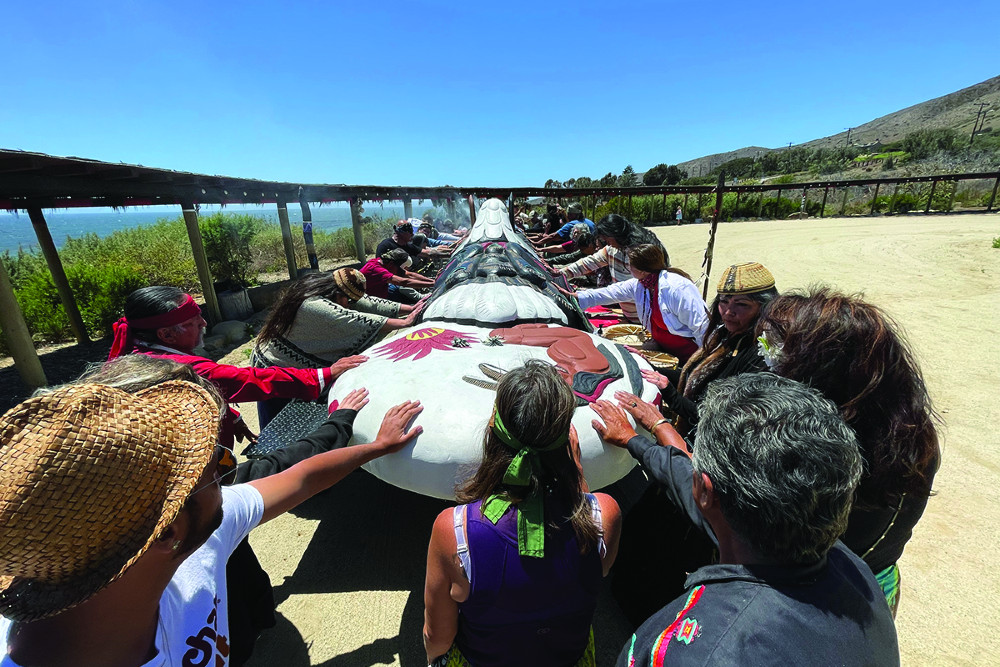
In 2013, the Lummi people of the Northwest began a totem pole journey in protest to a 50 million ton coal export terminal which had been proposed to be placed on their land. Since then, the yearly, two-week tour (called the Red Road to D.C.) has traveled to both Native and non-Native lands to honor and empower communities who are facing environemntal racism and destruction from fossil fuel industries.

“These journeys have strengthened and expanded alliances between tribes, intertribal organizations, the faith-based community, environmentalists and community leaders by speaking to the moral conscience of culturally diverse communities. They united and raised the voices of diverse communities that have been steadfast in their resistance to further destruction of the Earth.  They called on us to take ownership for the sanctity of the air, land, water and wildlife and to exercise our shared responsibility over the restoration, protection and preservation of these gifts,” their website states. (https://redroadtodc.org)

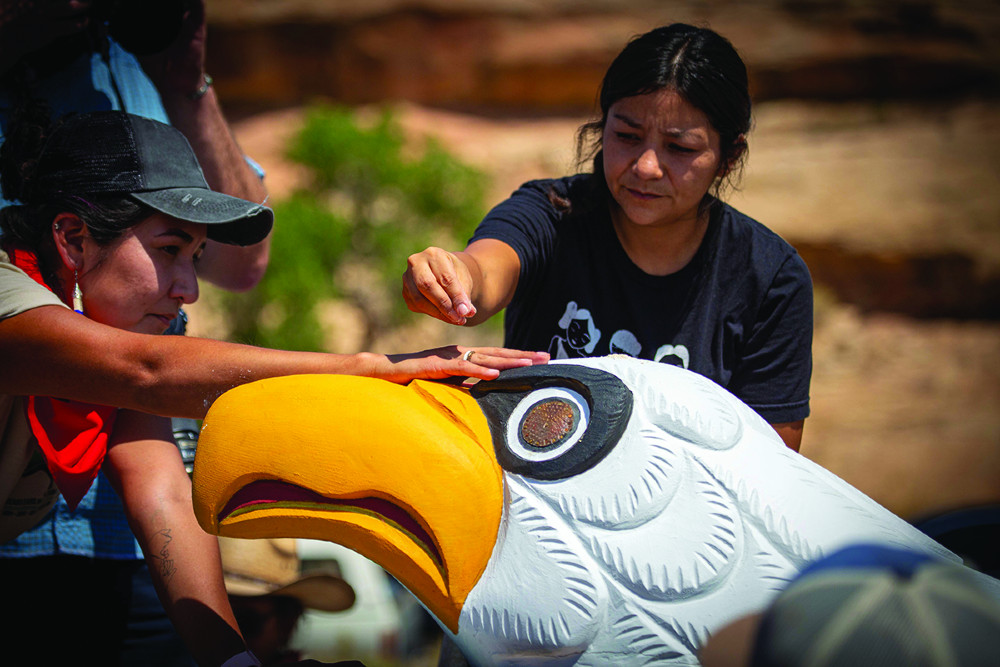
The 25-foot-long, 5,000-pound totem pole is carried on a flatbed trailer. This year’s stops included Bears Ears in Utah, the Black Hills in South Dakota, the Standing Rock Reservation in North/South Dakota, and White Earth Reservation in Minnesota, among other stops.

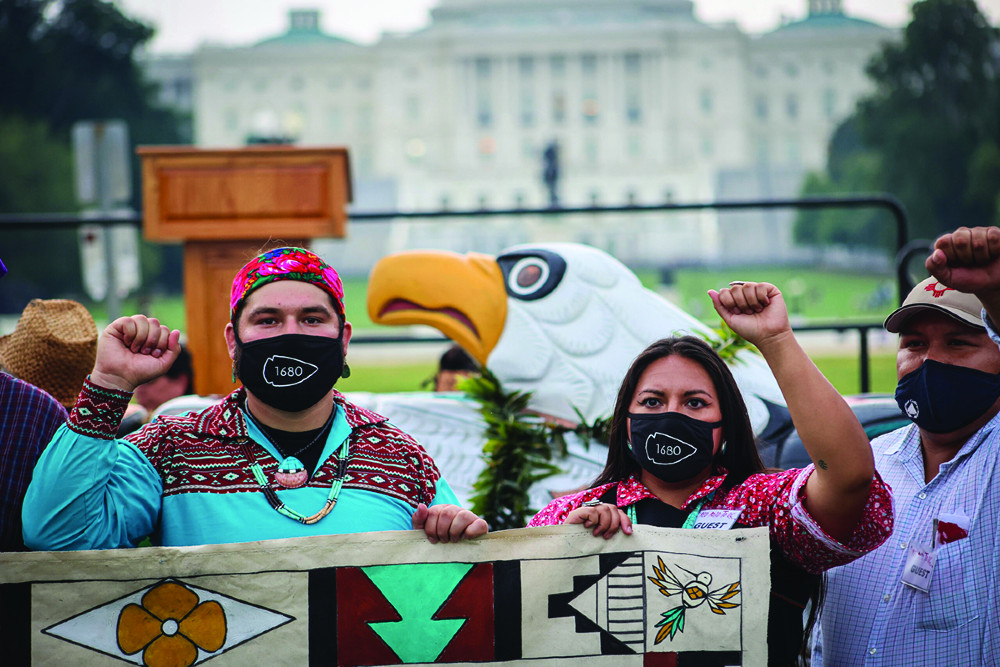
On July 29, the totem pole arrived in Washington D.C. and was displayed in front of the Smithsonian Institution’s National Museum of the American Indian for two days.
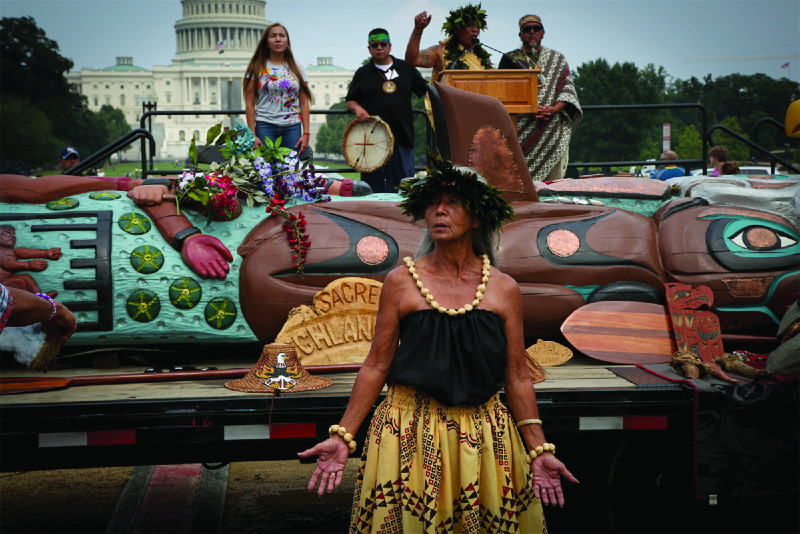
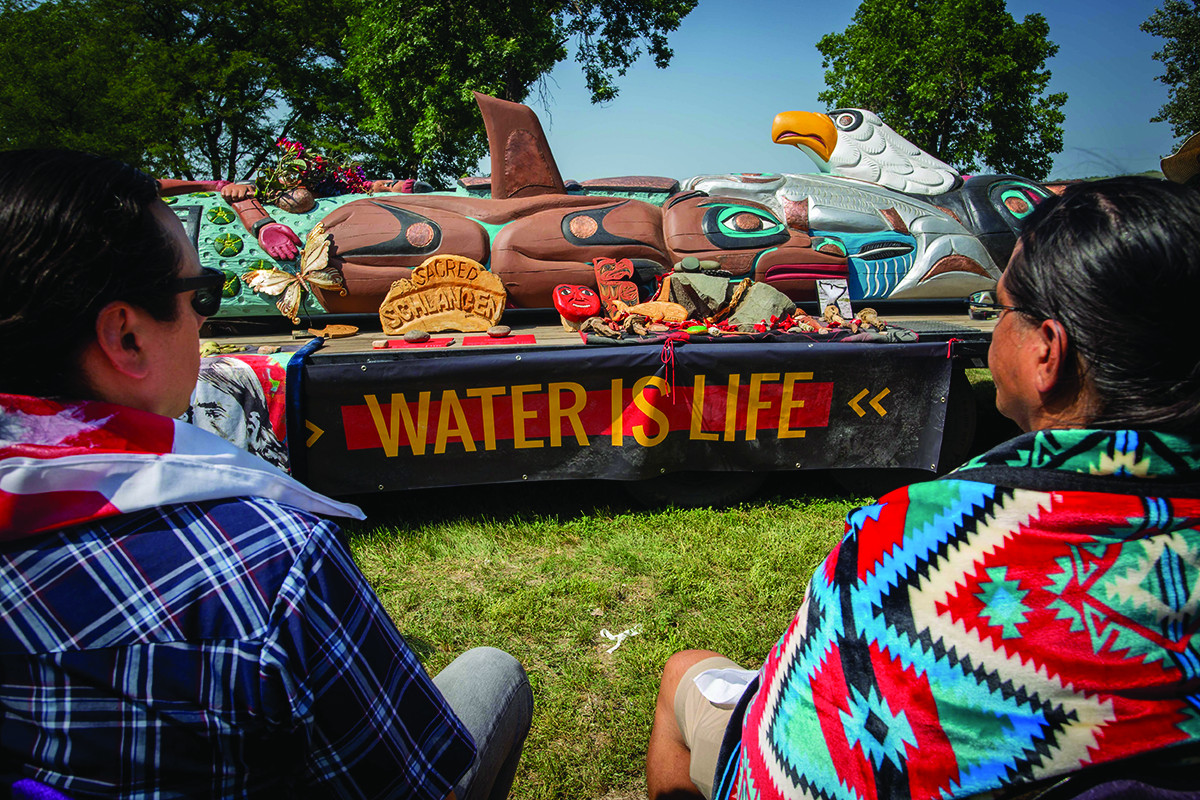
Washington, D.C. (Photo courtesy of https://redroadtodc.org.)
Yankton, South Dakota. (Photo by Wingspan Media.)
Bears Ears, Utah. (Photo by Wingspan Media.)
Washington, D.C. (Photo courtesy of https://redroadtodc.org.)
Staff Reporter,
Environment & Politics
Elaine Strongbow is a member of the Leech Lake Band of Ojibwe and has covered environmental and tribal sovereignty issues for The Circle since 2019. She is a graduate of the University of Minnesota School of Journalism and was a 2023 fellow of the Institute for Nonprofit News.

This reporting is made possible by readers like you.

The Circle is a nonprofit newsroom with no tribal affiliation, no corporate ownership, and no paywall. Independent Native journalism depends on reader support.

Advertisement

PWFH Web Banner Ad (1000x2110)

Recent Stories

Advertisement

PWFH Web Banner Ad (1000x2110)

More From Environment

Dakota-Led Owámniyomni Project Restores Connection to Sacred Minneapolis River Site

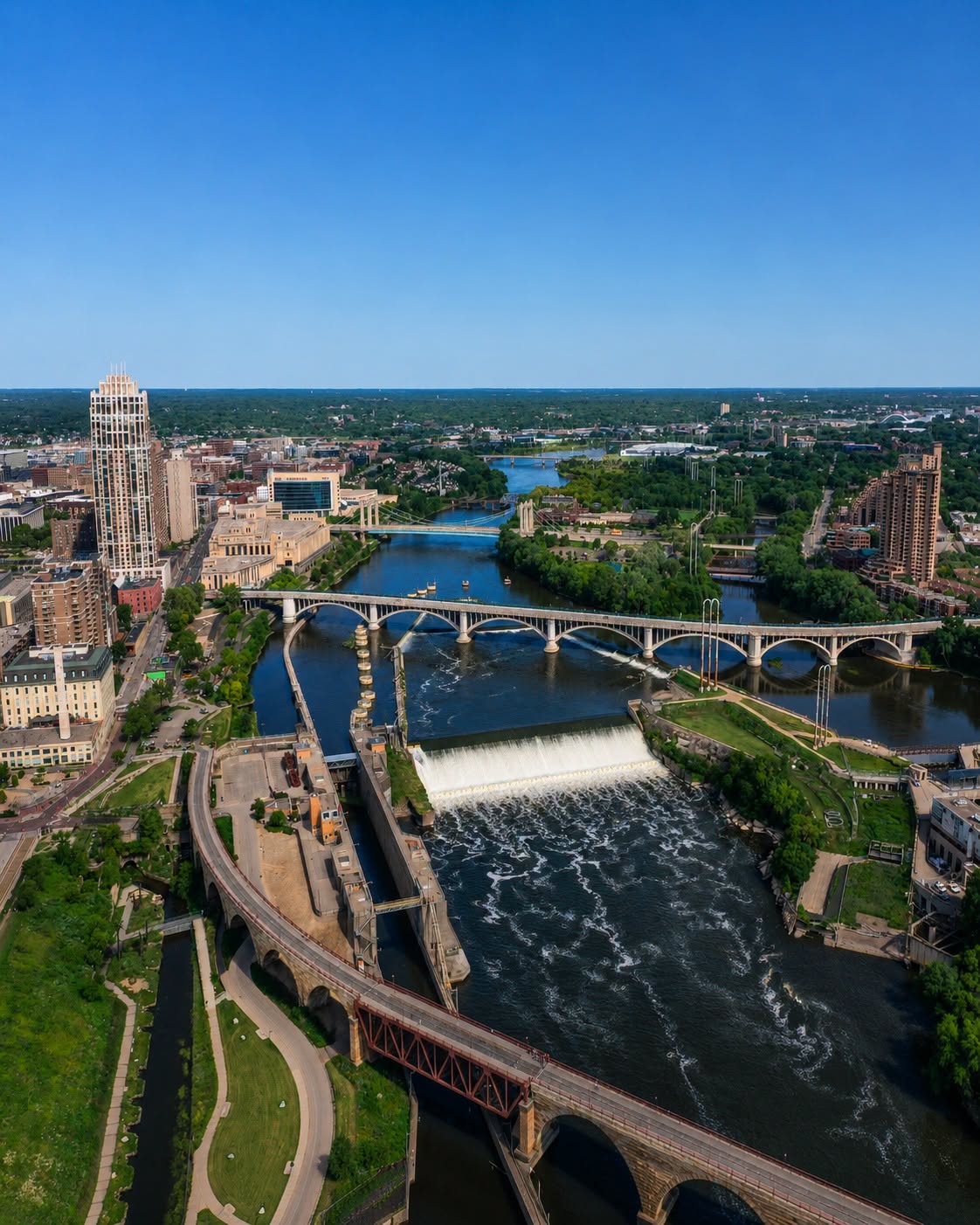
MINNEAPOLIS — Along Ȟaȟá Wakpá, the Mississippi River, a Dakota-led effort is working to restore land, culture, and community connection at Owámniyomni, commonly known as St. Anthony Falls. For Dakota people, Owámniyomni, meaning “turbulent waters,” has long been a sacred place for ceremony, gathering, trade, and offerings. Nearby Wíta Wanáǧi, or Spirit Island, was a […]

Grand Portage, Bois Forte call for broad review of mining impacts in 1854 Treaty territory

The Grand Portage Band of Lake Superior Chippewa and Bois Forte Band of Chippewa are calling on Minnesota to take a broader look at the cumulative effects of mining and other extraction across northeastern Minnesota’s 1854 Treaty Ceded Territory. The two Tribal Nations announced Sept. 23 that they will formally request the Minnesota Environmental Quality […]

Temporary Colorado River rules face lawsuit as tribal water questions remain

The federal government has adopted temporary operating guidelines for the Colorado River after the seven basin states failed to agree on a long-term plan for the drought-stricken waterway. The agreements governing shortages and operations at Lake Powell and Lake Mead expire at the end of 2026. On Aug. 21, the U.S. Department of the Interior […]

DFL_GOTV2026_WebBanner 1800×150 px

Search The Circle

Find stories, columns, events, and magazine features.

Indigenous news, community stories, events, and updates—delivered to your inbox.