No data was found

Sundance in New Mexico offers training in filmmaking for Natives

Share :
Facebook
X
No data was found

Actor Robert Redford and Mexico Gov. Bill Richardson announced in May that the state of New Mexico and Redford are teaming up to create Sundance in New Mexico, which will offer filmmaking training for Native Americans and Hispanics.

The program will reside at the Los Luceros ranch in Alcalde, near Española. Lisa Strout, head of the New Mexico Film Office, said Los Luceros is ideal for the program.

Redford founded the not-for-profit Sundance Institute in Utah in 1981

to promote independent filmmaking and create theater projects. The

institute hosts the annual Sundance Film Festival, which celebrated its

25th year in January.

Redford said the time is ripe for such a film-training initiative in

New Mexico. “There’s change in the air right now. The days of the

monolithic silos that we lived in are changing; we’re going to be

seeing hybrids… where cultures can come together.”

Redford said the program will eventually encompass directing,

screenwriting and producing, providing an environment to create job

opportunities for American Indians and Hispanics. Though set in New

Mexico, the labs are not just designed for state residents, Strout

stressed.

The first program was a week-long Sundance Institute Native Filmmakers

Lab in Apache, N.M., held in May. The institute also hosts the free

panel talk, “Writing Life: Bringing Drama to the Screen,” in Santa Fe.

Strout said Sundance in New Mexico won’t be a year-round event. She

estimated the cost of the first year of the program will be between

$80,000 and $90,000.

“It will go beyond $80,000,” the governor said. “I will find ways,

working with Mr. Redford, to make a financial commitment for this

program.”

Redford said this country’s political climate has often worked to

categorize art “as a caboose” chugging along into “the nonprofit zone.”

“We’re probably the only government that doesn’t subsidize art,” Redford said.

This reporting is made possible by readers like you.

The Circle is a nonprofit newsroom with no tribal affiliation, no corporate ownership, and no paywall. Independent Native journalism depends on reader support.

Advertisement

RWRE-Battery-Digital_1000x2110

Recent Stories

Advertisement

RWRE-Battery-Digital_1000x2110

More From Latest Urban NewsUrban News

Intertribal Community Feast Brings Community Together Following Devastating Franklin Avenue Fire

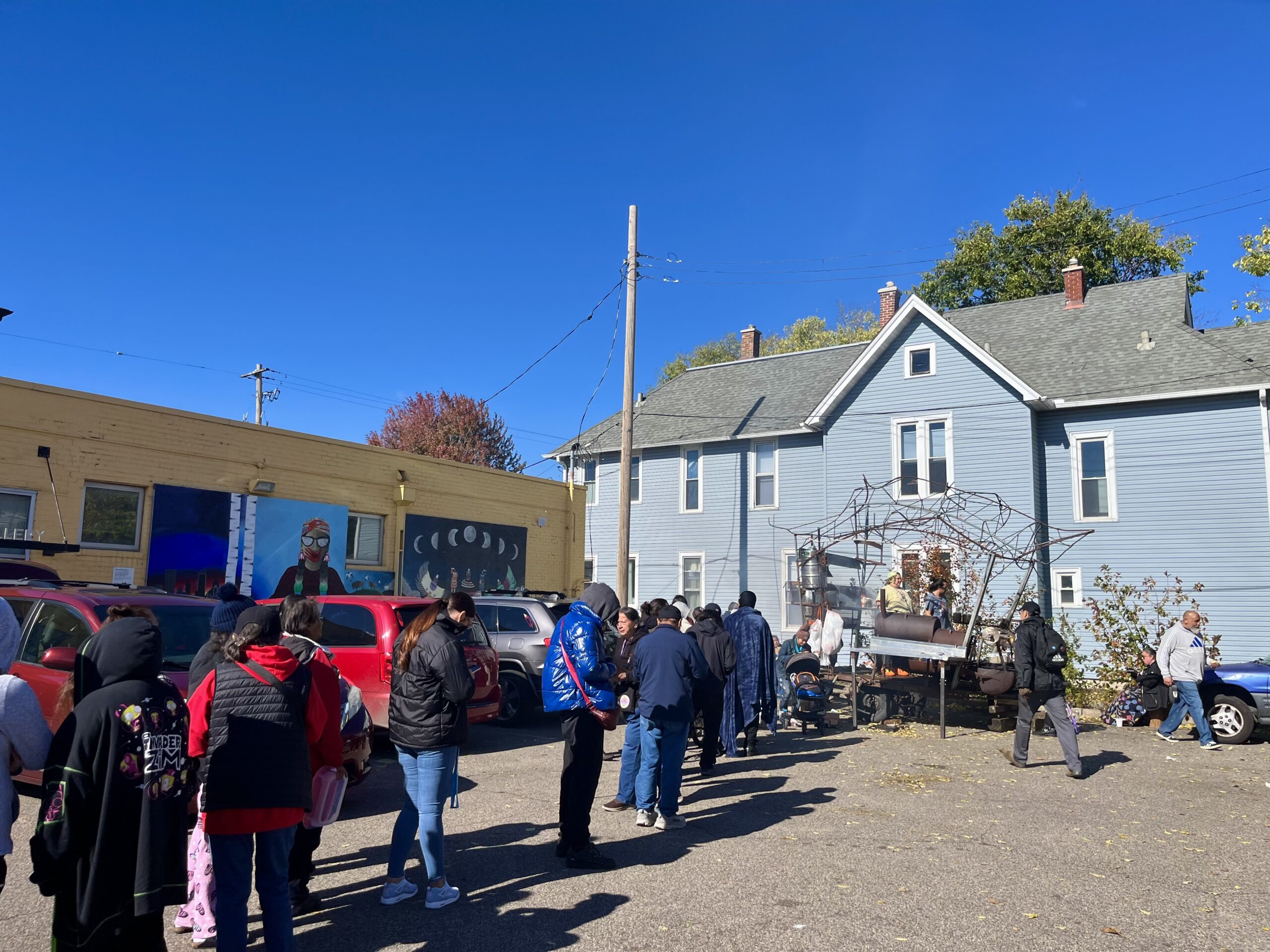
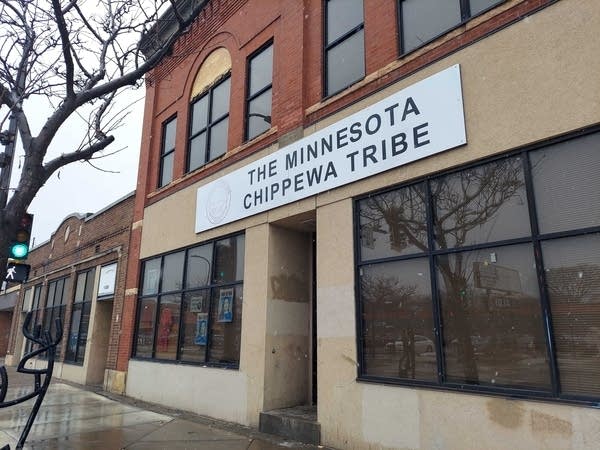
MINNEAPOLIS — After the devastating fire at the Minnesota Chippewa Tribe (MCT) building on Franklin Avenue, local Native organizations, staff, and volunteers came together on Friday, October 16th, for an Intertribal Community Feast, turning a difficult week into an opportunity for generosity, connection, and community support. The fire, which broke out Sunday, October 11th, affected […]

Franklin Avenue Fire Update: Urban Offices Assess Damage; Native Language and Circle Archives Spared

The Oct. 11 fire began at Dollar Plus, a Somali-owned store at 1300 E. Franklin Ave., and spread to the connected Minnesota Chippewa Tribe building that houses urban tribal offices. The store and offices occupy connected buildings; the fire did not begin in the urban offices. The cause remained undetermined Monday. Store owner Abdullahi Omar […]

Native American Elders Day brings community together for third annual celebration

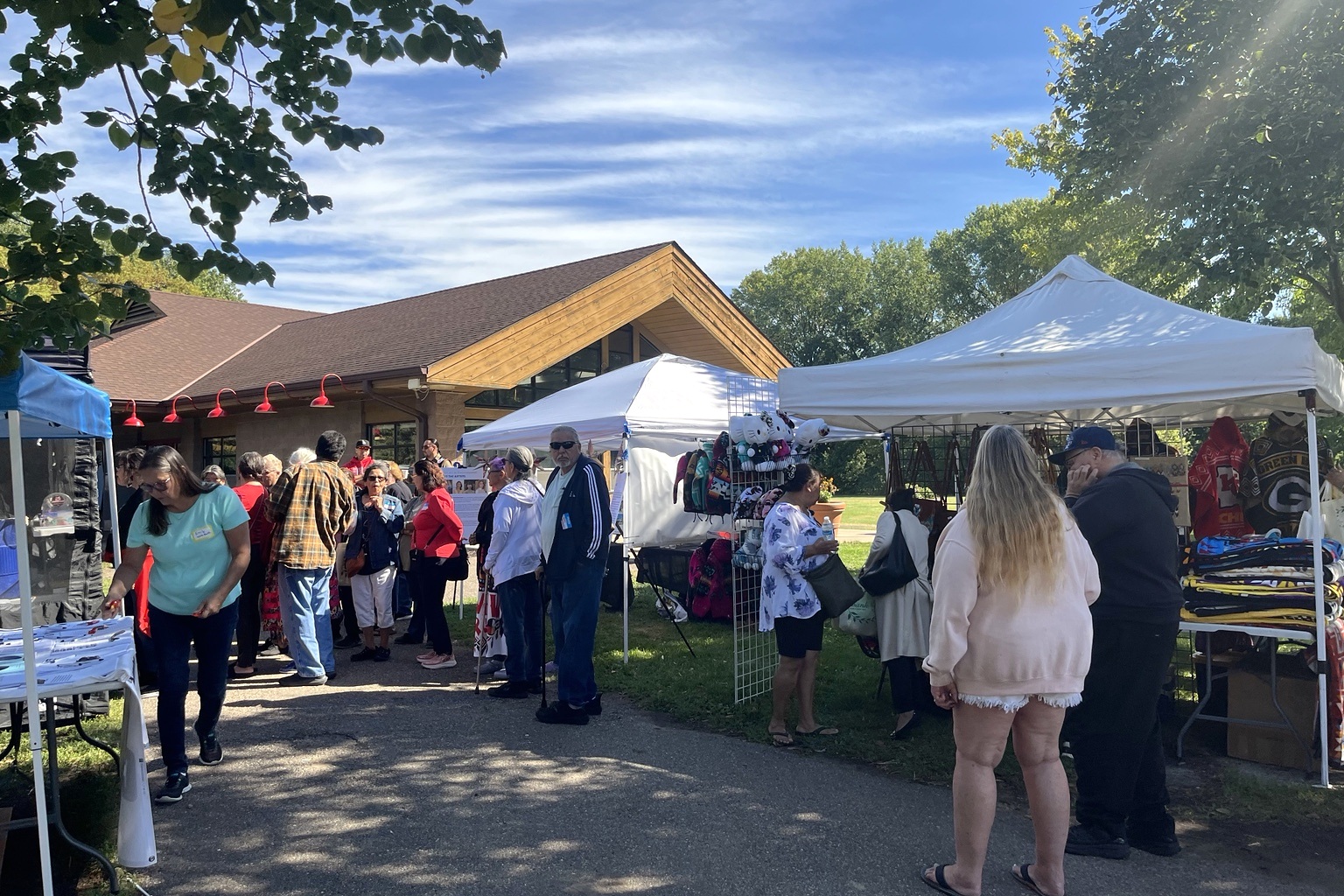
RICHFIELD, Minn. — Native elders from across Minnesota gathered at Veterans Memorial Park on Wednesday, Sept. 16, for the third annual Native American Elder Day picnic hosted by Spirit Care Services. According to an event organizer, elders from 10 of Minnesota’s 11 tribal nations attended this year’s celebration. Tribes and Native organizations from outside the […]

No data was found

Search The Circle

Find stories, columns, events, and magazine features.

Help The Circle Recover & Preserve Native History

FIRE RECOVERY & ARCHIVE PRESERVATION FUND

A recent fire at the building housing The Circle’s office has created unexpected challenges for our independent Native newspaper.

Thankfully, with the help of community members, we were able to recover our newspaper archives dating back to the 1980s. These irreplaceable records preserve decades of Native community history, cultural knowledge, and stories.

Your donation will help The Circle recover from the fire, protect our historical archives, and continue sharing Native voices for generations to come.

Every contribution makes a difference.

Pinagigi — Thank you for helping preserve generations of Native stories.