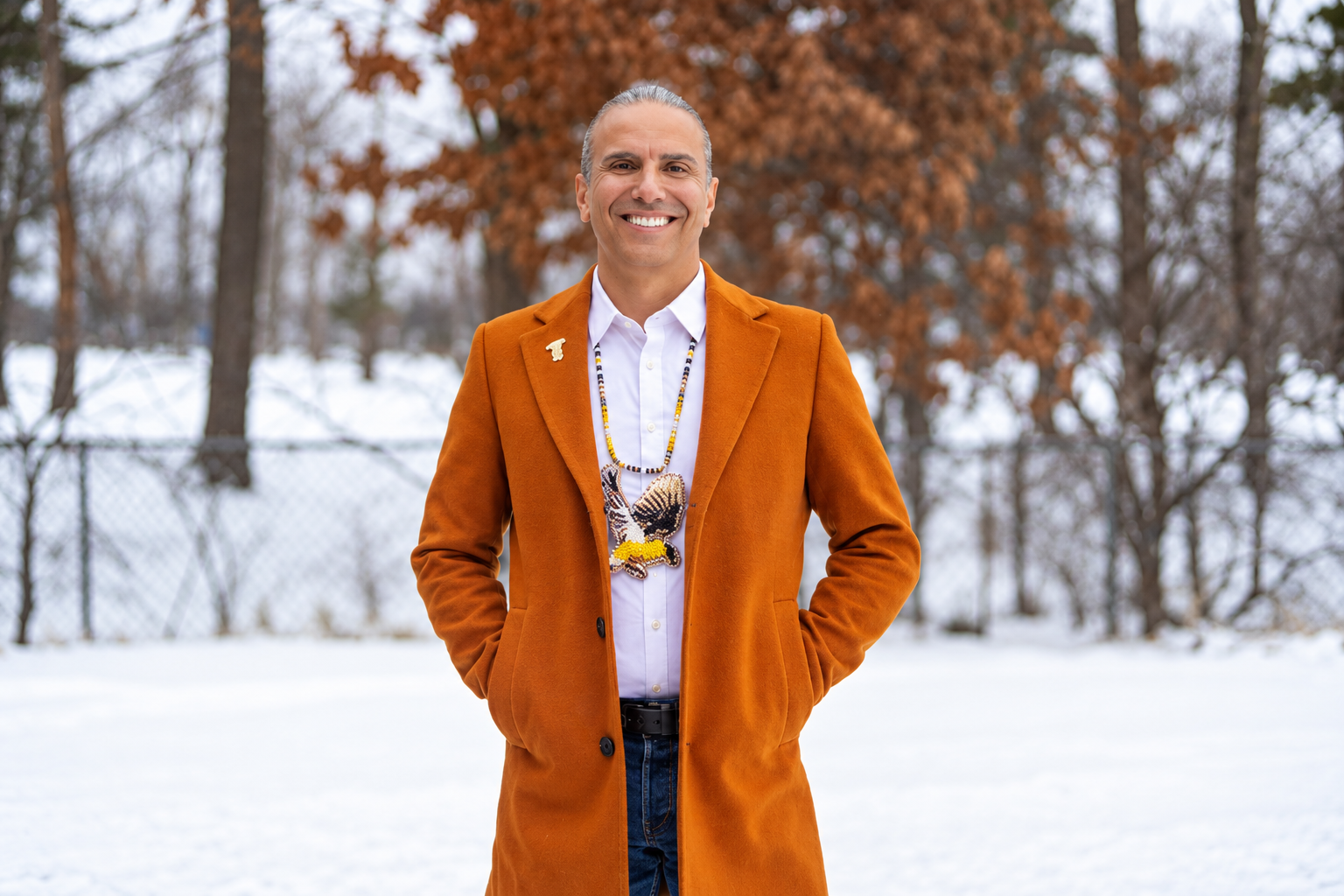



By Lee Egerstrom
A prominent historian and anthropologist with important past ties to the Mille Lacs Band of Ojibwe has a new book published chronicling how the band resisted efforts to undo promises in 1855 and 1937 treaties with the U.S. government.
Simply put, it hasn’t been an easy journey for the Ojibwe to hang on to what they have.
The new book explaining this history is They Would Not Be Moved: The Enduring Struggle of the Mille Lacs Band of Ojibwe to Keep Their Reservation. It was written by prolific researcher and writer on indigenous history Bruce White, of St. Paul. Melanie Benjamin, who served six terms as chief executive of the Mille Lacs Band, wrote the foreword.
Officially published on Oct. 1 by Minnesota Historical Society Press, it will have a special book launch event for the public at 7 p.m. on Oct. 25 in Onamia at the Mille Lacs Indian Museum and Trading Post.
White and Benjamin share part of the Ojibwe’s long struggles that are chronicled in the book. Benjamin was chief executive of the band in the 1990s when Minnesota and other groups challenged Mille Lacs’ rights under the treaties. Research conducted by White was used by the tribe to defend themselves in lawsuits before local and appellant courts.
The Minnesota Historical Society said White’s research on Mille Lacs hunting and fishing rights was important in 1994 legal cases. Later, in 1999, U.S. Supreme Court Justice Sandra Day O’Connor cited his research in the Supreme Court’s decision upholding indigenous fishing and hunting rights on ceded land under the Treaty of 1837. That was the final say, so far, in ongoing struggles between native and newcomer interests in Minnesota.
The historical society described the book, and the tensions brought by treaty rights and legal challenges, this way:
“In They Would Not Be Moved, White details how an indigenous community repeatedly stood up for itself and won against overbearing pressures across decades. He opens this essential history with oral traditions of the people at home on the land. He interprets treaty negotiations to outline how each side understood the signed agreements.”
In a comment important for all Minnesotans to remember, the historical society notes the Mille Lacs Ojibwe did have outside friends who, undoubtedly, helped the cause. It said:
“Local newspapers show that some nearby communities supported the Mille Lacs people, and family narratives related the challenges and successes of those who stayed to defend their rights.”
Protecting Minnesota indigenous homelands isn’t treading on new ground for the Minnesota Historical Society Press or for White.
The press published White’s We Are at Home: Pictures of the Ojibwe People, in 2008. Later, in 2012, it published Mni Sota Makoce: The Land of the Dakota, written by White and Dr. Gwen Westerman. She is a poet and another prolific writer who is a member of the Sisseton Wahpeton Dakota Oyate, a professor at Minnesota State University, Mankato, and she is the current Minnesota Poet Laureate.
Along this same historical path, the Minnesota Historical Society Press published an important history earlier this year uncovering details far less known and understood than Ojibwe and Dakota experiences in Minnesota. It is To Banish Forever: A Secret Society, the Ho-Chunk, and Ethnic Cleansing in Minnesota. It was written by Cathy Coats, now at the University of Minnesota who started her Ho-Chunk research during undergraduate studies at St. Cloud State University.
In this year alone, the Minnesota Historical Society Press has given readers Minnesota state and indigenous history lessons showing what a peoples’ persistence can produce (at Mille Lacs), and what happens when everything goes wrong.