

By Lee Egerstrom
Health officials are worried that the COVID-19 pandemic is picking up speed as the fall season arrives with 28 states now reporting increased cases of infections. Minnesota is surrounded by “hot” states where cases are on the rise.
Just as spring brought the risk of summer travels spreading the virus, fall can be just as deadly with people in motion.
Students are back at colleges and universities and often return home for weekend visits. More than 1,000 institutions of higher learning across America now report infections on their campuses.
Some, but not all, Minnesota elementary and high schools are back in session with in-school classes. This means children are susceptible and may bring the virus home.
From Labor Day on, fall also has holidays that bring families and friends together.
Limiting exposure to the coronavirus isn’t easy. That applies to people living in remote rural areas and at rural American Indian reservations just as it does to people living in densely populated urban areas.
As a case in point, Native Americans in Minnesota often do have visitors from the Dakotas or Wisconsin. The federal Center for Disease Control and Prevention (CDC) have North Dakota, South Dakota, Iowa and Wisconsin all listed as COVID-19 hot spots and all surround Minnesota.
State health departments update infections, deaths, hospitalizations and COVID-19 test results daily. Each does a weekly summary on Thursdays. That data guides federal and state officials to create policies aimed at protecting us all from the virus, but state responses and policies are not universal.
Health researchers at Georgetown, Stanford and Harvard universities, collaborating through a COVID Act Now research group, noted this past week that Wisconsin’s daily average of 1,803 new cases was equal to 31 confirmed cases for 100,000 population. Carrying that forward, Wisconsin would have an estimated 3.3 million infections, involved 56.5 percent of the population, within the coming year.
North and South Dakota have smaller populations but infection rates equal and higher than Wisconsin’s. This does spill over borders; Minnesota had at least one COVID-19 death traced to attendance at the Sturgis, S.D. biker rally in August.
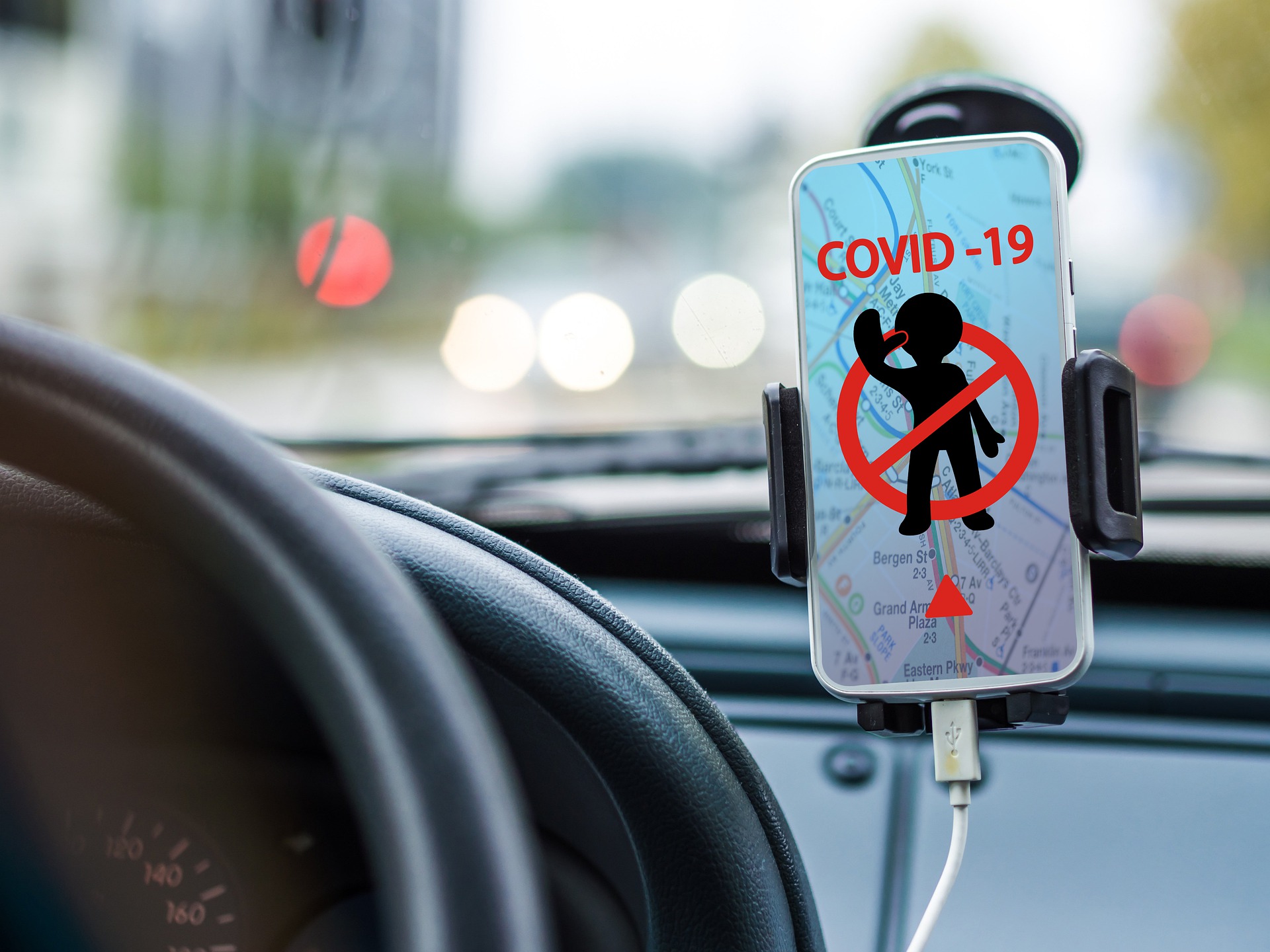
The Minnesota Department of Health earlier this year reminded people planning to travel they should give careful thought before leaving home. Here are four things MDH says you should consider:
- How much COVID-19 is spreading where you are going and how much it is spreading in your local community.
- Whether you or someone you are traveling with could get very sick from COVID-19.
- How easy or difficult it will be to keep 6 feet between people.
- Whether you would be able to miss work, school, or other activities if you get sick.
If you do travel, MDH reminds you to use the standard COVID-19 prevention tools including cleaning hands often with soap and water or hand sanitizer, avoid touching eyes, nose or mouth; keep six feet distance from others, wear a mask, and cover coughs and sneezes.
It also recommends you bring medications to last the entire trip and consider packing food or picking up food from store drive-through and curbside pickup services.
The same careful planning should guide you when friends or relatives from nearby states may stop by for a visit.
For more information regarding COVID-19 precautions and travel, visit the Minnesota Health Department’s sites at https://www.health.state.mn.us/diseases/coronavirus/prevention.html and https://www.health.state.mn.us/diseases/travel/travelers.html.
Additional information is available at the CDC’s travel site at https://www.cdc.gov/coronavirus/2019-ncov/travelers/index.html and from Explore Minnesota at https://www.exploreminnesota.com/info/coronavirus-covid-19-information.