

Minneapolis, MN – Many Indigenous communities acknowledge the circular, nonlinear nature of life. They center their life on the creator, community, and loved ones. This Indigenous paradigm represents the anatomy of the body. The heart is at the center of our circulatory system and responsible for pumping blood throughout the body. Similarly, our circulatory system mirrors the waterways of the world, which act as veins, carrying the earth’s most precious resource, water. We are alive because this central organ circulates our life force.
In Minnesota, Indigenous people are nearly four times more likely to die from heart disease, with adults between ages 35-54 years old at the highest risk, compared to the non-Hispanic white population. In addition, many Indigenous relatives have a higher risk of developing high blood pressure than other races. Cardiovascular disease (CVD) is the leading cause of death and cancer is the second leading cause. The intersections between these top leading causes of death are opportunities to address health among our relatives, especially because cancer patients have a higher risk of dying from CVD than those without a diagnosis.
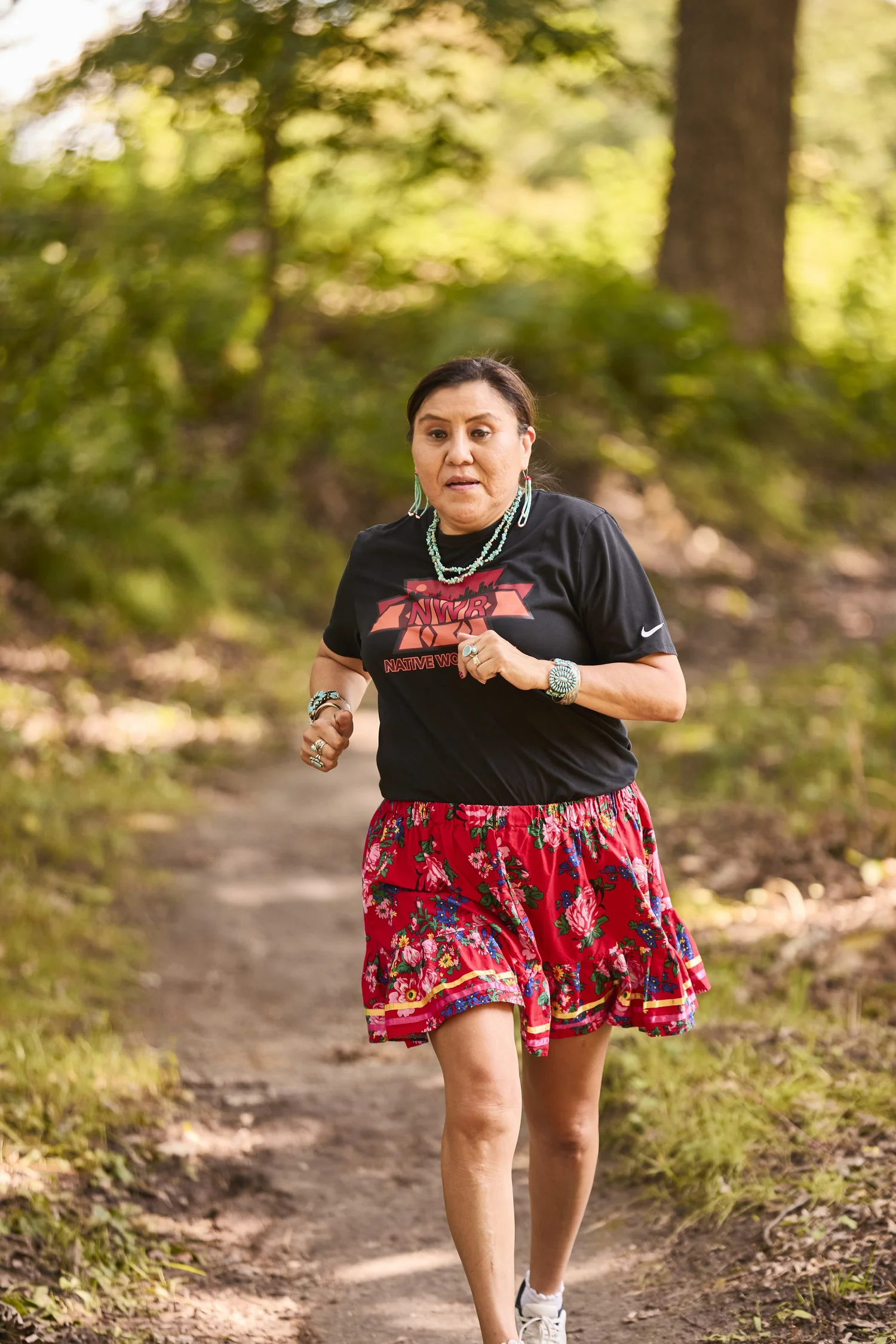
Indigenous lifeways often include prevention and risk-reduction activities for many diseases which includes heart disease and cancer. Eating traditional foods and participating in cultural activities like lacrosse have supported overall well-being. Our ancestors lived very active lives that kept them moving, like ricing, tanning hides, hunting, and cultivating the land. Returning to these lifeways is an act of reclaiming our health and honoring the ancestors that endured tremendous hardships. Today, we are the living ancestors of future generations. We have the opportunity to expand Indigenous lifeways and broaden the definition of wellbeing care, through education which includes preventive screenings for heart health and cancer.
To address these intersections, the American Indian Cancer Foundation (AICAF) and the Minnesota Department of Health SagePlus Heart Health Screening Program have partnered to develop culturally tailored resources and educational materials on heart health for community members and health care providers. The SagePlus Heart Health Screening Program also helps to address CVD risk among women in Minnesota.
Chief Executive Officer of AICAF Melissa Buffalo (Meskwaki/Dakota) states, “The American Indian Cancer Foundation works in partnership with tribal communities to engage, empower and educate our relatives to implement healthy lifestyle changes. To heal with culture and reclaim indigenous health is something we strive for, not just to eliminate the cancer burdens but to improve the overall wellbeing of our relatives, which includes a healthy heart, because unfortunately, heart disease is also a burden. Our next-generation deserves to connect with their elders.”
For info, contact Cancer Programs Project Manager Misha LaPlanteat at:mlaplante@aicaf.org. Or see website: https://www.health.state.mn.us/diseases/cancer/sage/about/sageplus.html.