

By K.E. MacPhie
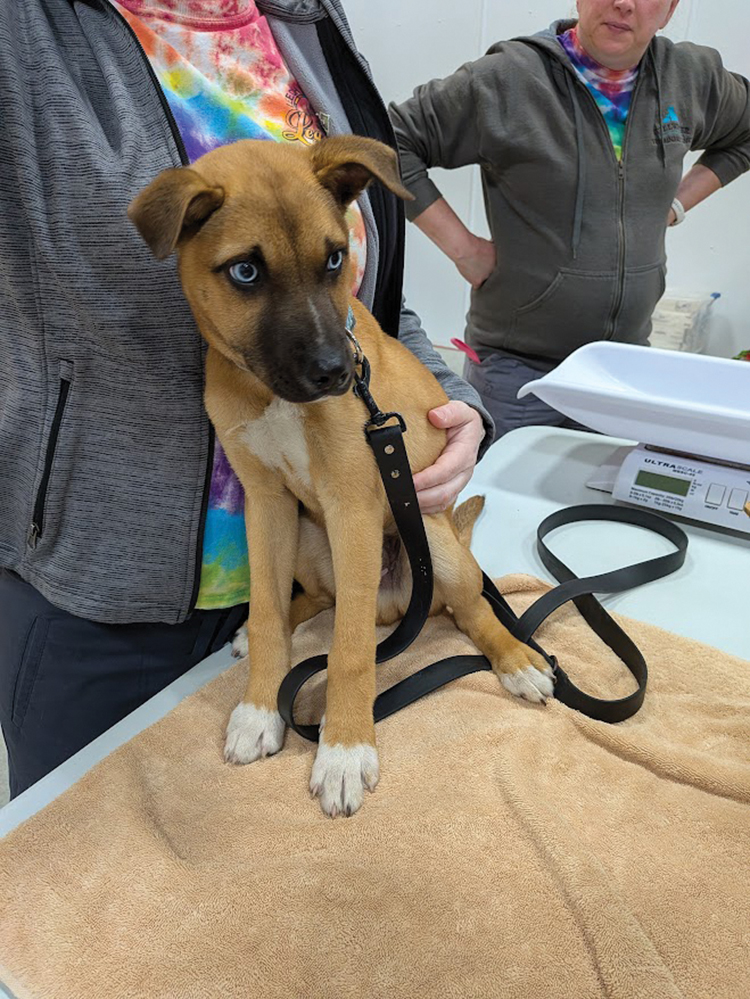
On my first day as a volunteer at Leech Lake Legacy (let’s call it Legacy, for short), I pulled in past a long line of cars stretched out of the parking lot and down the road in Cass Lake filled with people patiently waiting with dogs on laps and cats bundled in kennels and blankets. I saw young kids with their grandmothers holding onto leashes, and elders who’d driven hours just to get vaccines or flea treatment for their pets. What I witnessed wasn’t just a clinic; it was a quiet, powerful movement rooted in love, community, and respect for all living beings.
That day changed the way I saw animal care on the reservation. It wasn’t just about dogs and cats, it was about our stories, our relationships with animals, and the way we take care of each other when no one else will. And that’s exactly what Legacy is doing by lifting up both animals and people, one act of compassion at a time.
Leech Lake Legacy started back in 2011 with a goal to help the ubiquitous rez dog epidemic within reservation borders. Since then, it’s become a pillar of animal welfare on the Leech Lake Reservation and beyond. What makes Legacy different from so many other rescues is that it’s not trying to “rescue” us from ourselves. It’s here to walk alongside us, to fill in the gaps where systems have failed, and to offer help, not judgment.
The organization is based in the cities where most of the volunteers live, but the primary care center is housed in the old Cass Lake Movie Theater off highway 2, right in the heart of the Leech Lake Reservation. They operate with one full-time employee (the amazing Jenny Fitzger!), and a team of volunteers that do everything from grant writing to animal transport to actual medical care from the vets and vet techs. Many of them work late nights and early mornings, sometimes driving across the state to bring a litter of puppies to safety, or setting up spay/neuter clinics on weekends when most people are off work.
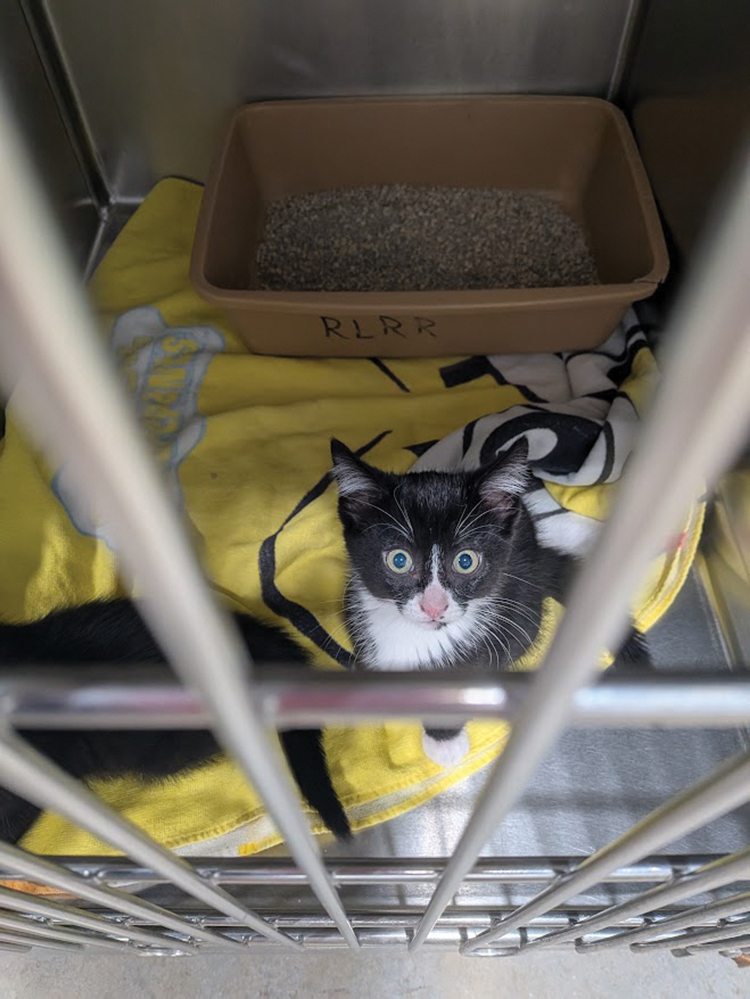
Current clinics are running once a month, but in between there are always animal transport from homes and to shelters around the state; they do wellness clinics some weekends and spay/neuter services on others; they’ve handed out thousands of pounds of dog food, built insulated dog houses for outdoor pups, and provided everything from collars to kennels; and in their free time, they do education and outreach through both programs and one-on-one conversations.
I’ve talked to people who’ve had to surrender pets, not because they didn’t love them, but because they had no choice. Maybe the dog was sick and there was no vet nearby. Maybe someone lost their home. Maybe there was no food to share. 48% of the reservation population lives under the poverty line. But Legacy never shames people. They understand that loving an animal doesn’t always mean you can meet every need, and that’s okay.
In our Ojibwe teachings, and across so many Indigenous cultures, animals are not “pets.” They are our relatives. They’re helpers, protectors, companions, even teachers. They appear in our stories, our dreams, and our everyday lives. When we care for them, we are honoring those relationships. Legacy understands this, and honors it. They don’t see animal care as a charity project. They see it as an act of community healing, rooted in culture. And that’s why they’ve earned our trust, despite not being a Tribally-run organization.
That’s right, it’s a common misconception, but they are not funded by the Tribe. The Leech Lake Tribal Police Department has their own animal control, but does not have the staff or time to fill the gaps of service that Legacy is providing. But they can’t keep this up without help. Their services are in high demand, but their resources are limited. They’re a small nonprofit, powered by competitive grants, donations, volunteers, and the goodwill of the community. There are always more animals who need help, more families who could use support, and more work to be done. And now with winter around the corner, their need for donations and volunteers is urgent. Supplies like dog houses, straw, blankets, and food can be the difference between life and death for outdoor animals.
If you believe in the work Leech Lake Legacy is doing, there are many ways to support:
• Donate: Every dollar goes directly toward animal care. You can donate online at leechlakelegacy.org, or through their GiveMN page.
• Volunteer: Whether it’s driving animals to the Cities or helping out at a clinic, there’s a place for you.
• Share Supplies: Pet food, leashes, collars, crates, or anything you have to give.
• Spread the Word: Follow them on social media, share their posts, tell your friends. Awareness leads to action.
• Honor Your Animals: Care for them to the best of your ability, spay and neuter them as early as possible, and educate your friends and neighbors to be responsible pet owners, too.
We often talk about sovereignty and self-determination in our communities. Legacy is part of that story as they are building something with us, not for us. They’re meeting people where they are and offering tools, not judgments. That’s the kind of support we need more of.
In the words of one elder I spoke with, “They came when no one else would. They helped my dogs, and they treated me with respect. That’s all I needed.”
If that speaks to you, I encourage you to support this work in whatever way you can. You can find their schedule and all the ways to give your time, talent, and treasure at https://www.leechlakelegacy.org.