No data was found

Minneapolis Proclaims June 16th "Laela Shaugobay Day"

Share :
Facebook
X
No data was found

Thousands of children have fallen from windows, but the American Indian Community Development Corporation was the first developer to get the law changed.

On the first anniversary of 2-year-old Laela Shaugobay’s (Mille Lac Band Ojibwe) fall from a window and near death, she and State Legislators unveiled the recently-passed “Laela’s Law” aimed at protecting children in newly constructed buildings. Miraculously, Laela was not permanently injured, but a second child who also feel from a window in the same building that same year, died. It’s a miraculous moment considering many thought she would never survive the fall.

The manager of the apartment building, Jim Graham, approached Senator Linda Berglin to help bring forward a bill that would help prevent similar falls from occurring.

“Horror, pure horror. It was the worst day of my life," said Laela’s mother Ruth Shaugobay. “Everyday I see her and it reminds me, I almost lost her.”

Since that frightening day, the apartment developer knew he had to stop children from falling through window screens. Child window falls are a common problem in every city in the nation. Minnesota will become the first state to enact legislation to address this problem. The Minnesota “Laela’s Law” is being used as a model for other states and will lead national building code changes in the next two years.

“There was a national lobbying effort to oppose this legislation, primarily from the window industry. The day we struck the deal, there were 13 lobbyists in the room from different firms, but we had first-hand accounts of the tragic deaths,” said Jim Graham, Director of Real Estate Services for the American Indian Community Development Corporation.

According to the Minnesota Safety Council, an estimated 4,700 children ages 14 and under are treated in hospital emergency rooms annually for injuries sustained from falling out of windows. Over 80 percent of these children are under 3 years old. On June 16, 2006 Laela Shaugobay suffered the same fate when a window screen gave way and she plunged four floors to a concrete sidewalk. Her fall impassioned citizens and motivated State legislators to create a means of saving children from falling through flimsy window screens. Overcoming tremendous lobbying pressure to stop them Minnesota Legislators passed, and Governor Pawlenty signed, the legislation.


This reporting is made possible by readers like you.

The Circle is a nonprofit newsroom with no tribal affiliation, no corporate ownership, and no paywall. Independent Native journalism depends on reader support.

Advertisement

RWRE-Battery-Digital_1000x2110

Recent Stories

Advertisement

RWRE-Battery-Digital_1000x2110

More From LatestNews

Senator-Elect Peggy Flanagan Makes History, Outlines Priorities for Native Communities

Following her historic election as the first Native American woman elected to the United States Senate, Minnesota Senator-elect Peggy Flanagan spoke with Native journalists about her victory, legislative priorities, and the importance of Indigenous representation in government. Flanagan, a citizen of the White Earth Nation, hosted a press call for Native reporters and Native-led media […]

Minnesota Regulators Approve Pipestone Pipeline Reroute Despite Tribal Opposition

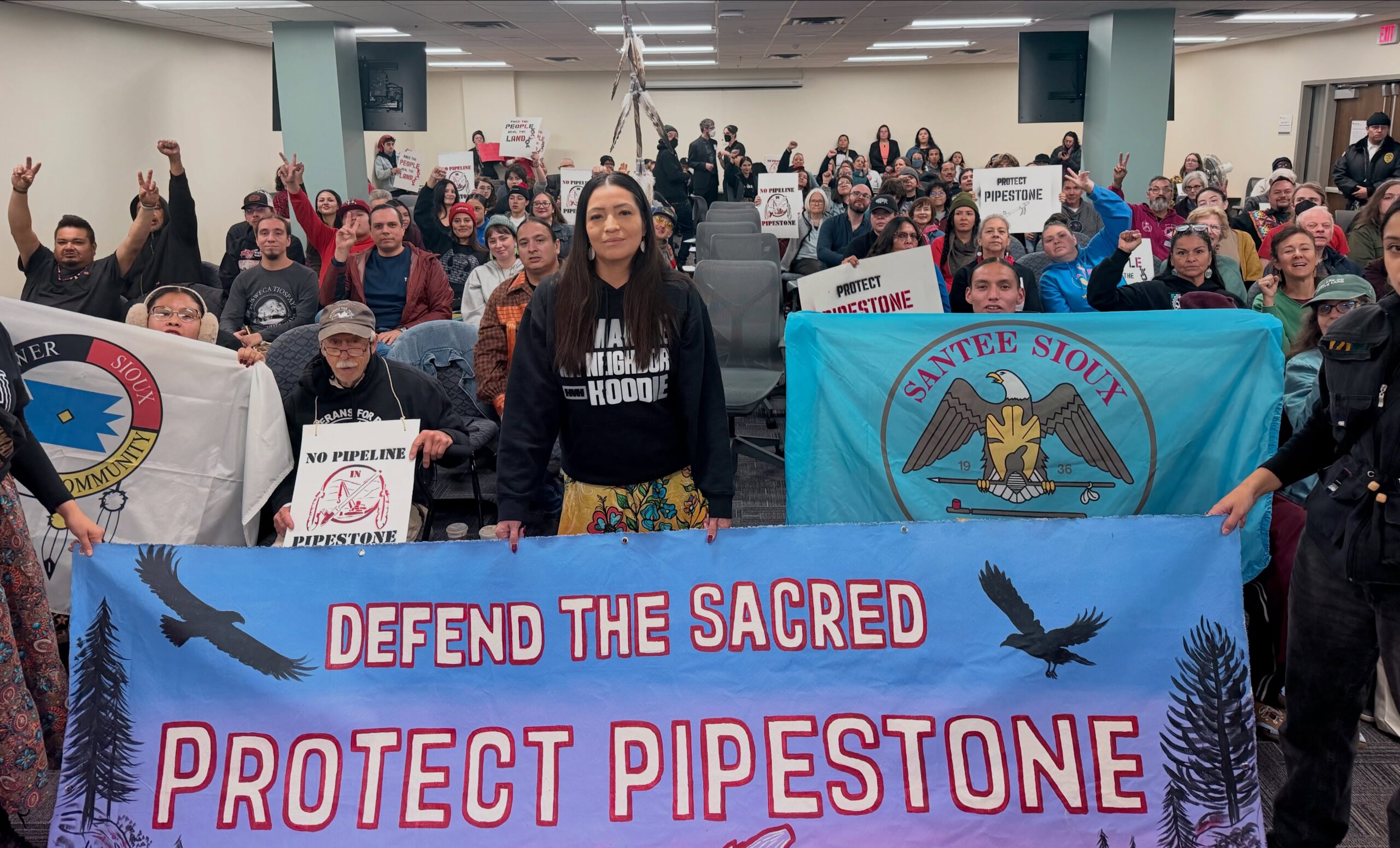
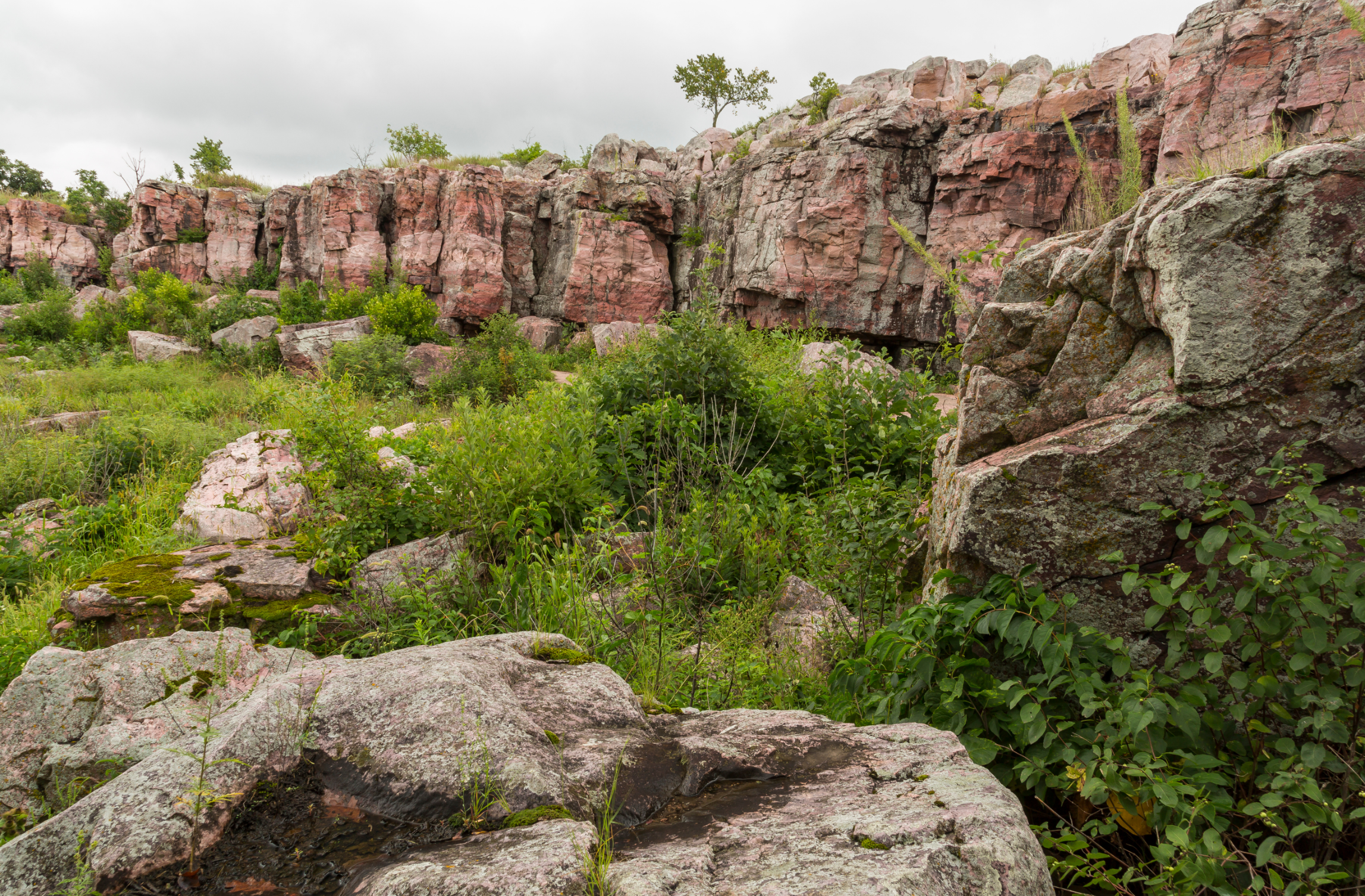
ST. PAUL, Minn. — The Minnesota Public Utilities Commission (PUC) voted 4-1 on November 5th to approve a conditional route permit for a petroleum pipeline reroute near Pipestone National Monument in southwestern Minnesota, despite opposition from Tribal Nations and Indigenous land protectors. The decision allows Magellan Pipeline Company, owned by ONEOK, to move a portion […]

What Is Section 106 and Why Does It Matter for Tribal Nations?

Before a federally funded or permitted project moves forward, who gets a say in whether it could damage historic places? Section 106 of the National Historic Preservation Act of 1966 allows Tribal Nations, preservation officials, and the public to help answer that question. It requires federal agencies to consider how their projects could affect historic […]

No data was found

Search The Circle

Find stories, columns, events, and magazine features.

Help The Circle Recover & Preserve Native History

FIRE RECOVERY & ARCHIVE PRESERVATION FUND

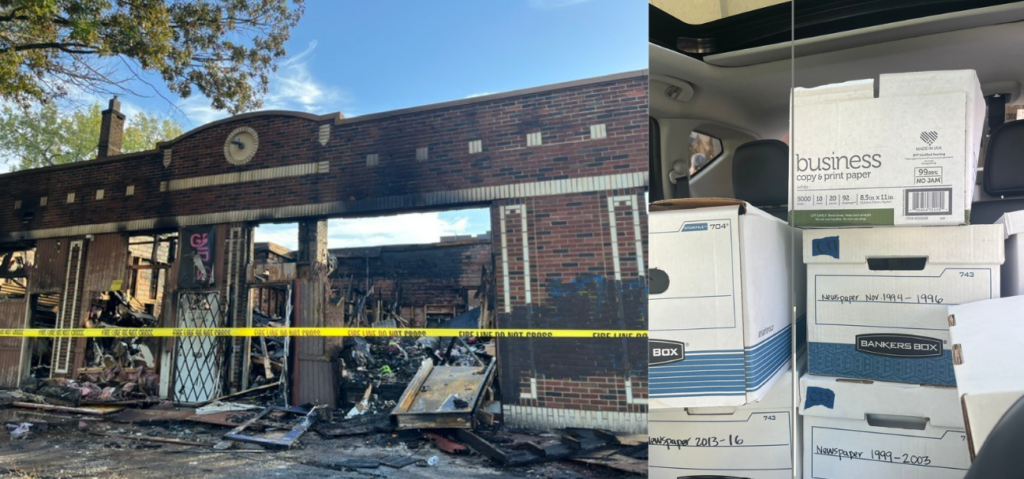
A recent fire at the building housing The Circle’s office has created unexpected challenges for our independent Native newspaper.

Thankfully, with the help of community members, we were able to recover our newspaper archives dating back to the 1980s. These irreplaceable records preserve decades of Native community history, cultural knowledge, and stories.

Your donation will help The Circle recover from the fire, protect our historical archives, and continue sharing Native voices for generations to come.

Every contribution makes a difference.

Pinagigi — Thank you for helping preserve generations of Native stories.