
 A group of Standing Rock Sioux Tribal members known as Active Citizens for Tribal Truth (ACTT) are fighting for the equal dispersal of funds from the Standing Rock Sioux Tribe v. Salazar settlement. The tribe received $48.9 million in funds from the federal government in early 2012. This payout was the result of a group of lawsuits filed against the United States by 41 tribes nationwide, which found that the Department of the Interior had mismanaged tribal funds held in federal trust.
Members of ACTT say that their tribal government has not followed due process in making decisions about how to allocate the settlement funds. They claim that the tribal council has discriminated against off-reservation tribal enrollees by only offering payments to reservation residents.
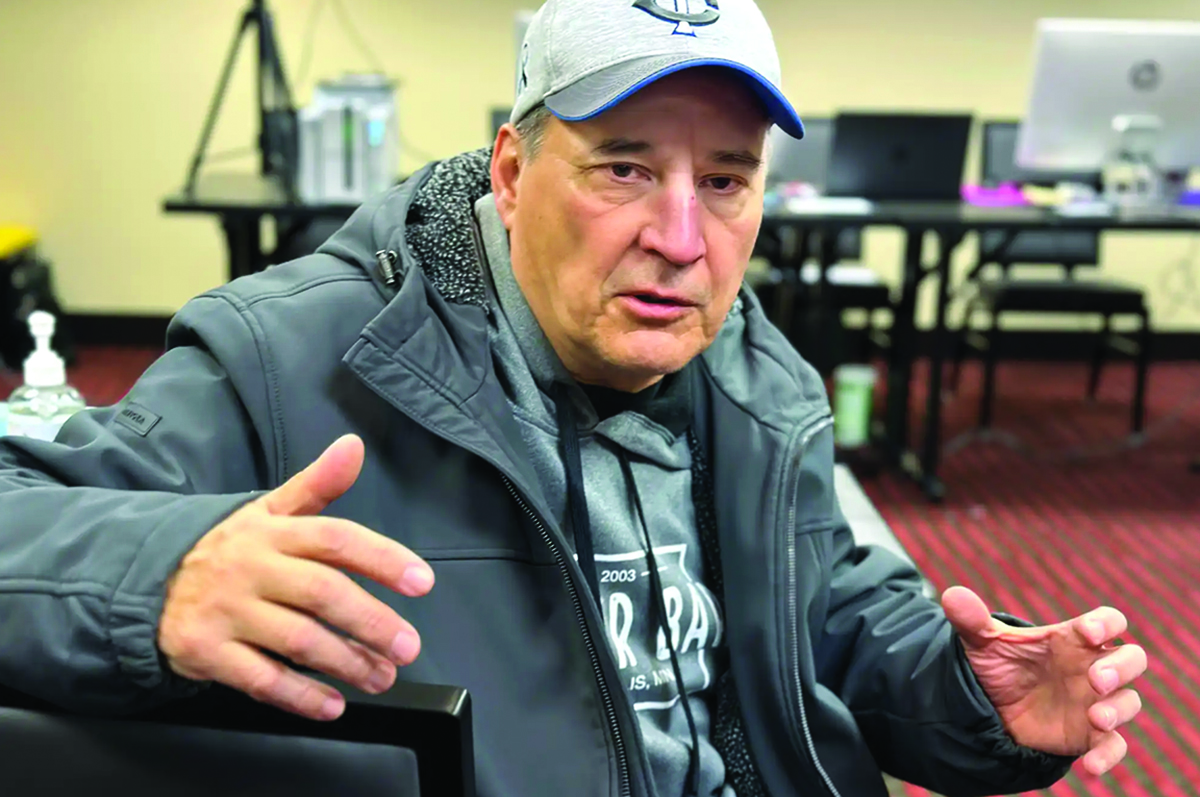
"This is why we’re here – fighting for our people who are living off the reservation," said Doreen Foote, a member of ACTT who lives in the Twin Cities.
According to journalist Deborah LaVallie, who has covered tribal council meetings since the beginning of the conflict, an estimated 8,600 people enrolled in the Standing Rock Sioux Tribe live outside of the reservation. This accounts for about 60% of the tribe’s total enrollees.
ACTT members believe that misconceptions about off-reservation tribal members may have led to the tribal council’s initial decision to exclude them from payments. They refute the assumption that there are more resources available to Native Americans in urban areas than on reservations. Although many tribes maintain urban offices in Minneapolis and Saint Paul that provide resources to off-reservation enrollees, the Standing Rock Sioux Tribe does not.
"We found out that [the tribal government] was using our enrollment status as consensus for federal funding," said Velma Little Eagle Balderas, a member of ACTT who lives in Minneapolis. "We’re entitled to the same amount as the on-reservation enrollees."
$2 million in funds, referred to as social needs payments, were dispersed to each of the eight districts within the reservation in North and South Dakota. According to Little Eagle Balderas, each resident received between $5,000 and $10,000 from these funds. ACTT asserts that the council did not present these budgetary plans to tribal members for approval, a process required by the tribe’s constitution and codes before funds are spent.
"Six districts voted for off-reservation enrollee payout," said Little Eagle Balderas. "But the tribal council wasn’t bringing that to the floor. The judicial committee was trying to control everything."
In response to the tribal council’s decision to pay only reservation residents, ACTT protested outside the William L. Guy Federal Building in Bismarck, North Dakota in September of 2012. In addition to garnering attention from the local media and putting pressure on the tribal council, protestors hoped to gain the attention of federal agencies.
"If we didn’t say anything [the tribal council] would have just bypassed the whole tribe and done what they wanted with that money," said Robert Goodrood, a Twin Cities ACTT member who took part in the protest.
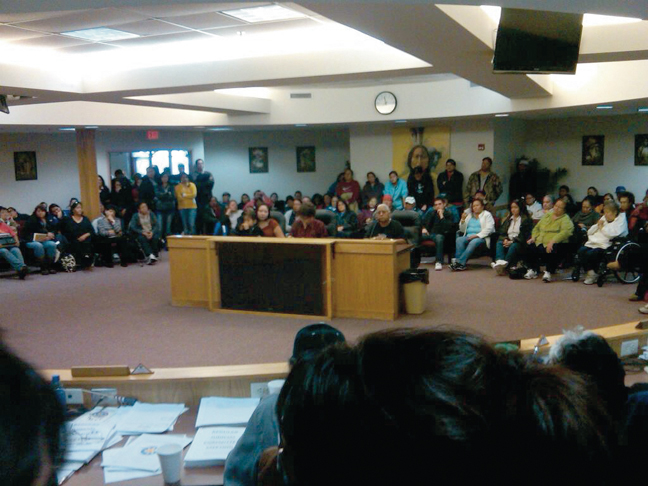
Two months after this initial protest, hundreds of off-reservation tribal enrollees flooded a council meeting. According to Foote, tribal members from California, New Mexico, Arizona, Colorado, Ohio, Montana, Wyoming, and Minnesota were in attendance. LaVallie reported that the tribal council passed a motion that day to allocate $9 million toward social needs payments for tribal members who live off the reservation. Each off-reservation enrollee who completes a settlement application and qualifies will receive $1,000, according to motions passed by the tribal council. If the tribe follows through with its promise it will be the first time in over five decades that off-reservation enrollees recieve any payments from the tribe.
"They weren’t going to share with us until close to 800 showed up at the tribal office and that’s what made the difference," said Little Eagle Balderas. "The tribal council was dumbfounded. We actually took over the meeting for the rest of the day."
The social needs fund application process opened in December of 2012 amidst further controversy. On the original version of the document, applicants had to agree that their payment could be garnished based on debt and that accepting payment might make them ineligible for other tribal, state, or federal benefits. They also had to waive all rights to pursue legal action against the tribal government.
Although the application has undergone several edits, ACTT members say that many off-reservation residents have already signed the original applications.
"This last one is better – it’s not so incriminating," said Little Eagle Balderas of the most recent version of the application. "But a lot of us signed the incriminating application."
Currently, ACTT is collecting these original applications as evidence for a class action lawsuit they plan to file with attorney Don Bruce against the tribal government. They hope that this lawsuit will result in a total payout equal to $5,000 for all Standing Rock Sioux tribal members.
"This payment will make a difference in people’s lives," said Goodrood. "It’s a boost – we’re not asking for a handout."
The current applications for the non-resident tribal member social needs funds can be found online at: www.standingrock.org/news.asp?ID=155. The tribal council plans to close the application process on February 14, 2013. Little Eagle Balderas can be reached at 612-483-1277 with any questions about the application process or ACTT.