


After winning narrow majorities in both chambers of the Legislature and securing control of the governor’s office. In the five months that followed, they adopted dozens of sweeping changes that affected Minnesotans’ lives in ways big and small.
Here’s a look at some of the biggest policy changes that took effect this year.
1) Legalized cannabis: The Legislature approved a proposal to legalize cannabis for adults 21 and older. The law allows people to possess, use and grow cannabis, and it grants the expungement of some drug-related crimes from criminal records. Minnesota became the 23rd state to legalize marijuana for recreational use. In August 2023, it became legal for adults to grow and possess small amounts of marijuana without penalties. Fewer than half of the other states allow people to grow their own within limits.
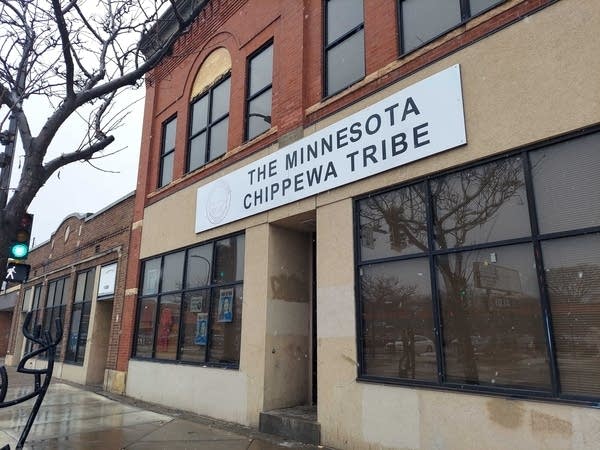
It will be another year or so before cannabis dispensaries can set up shop around the state. A couple opened soon after the Aug. 1 authorization date because Indigenous Tribes in Minnesota are sovereign and some authorized dispensaries to open early.
2) Free school lunches: Minnesota became the fourth state in the country to provide free breakfasts and lunches to students at participating schools after Walz signed the measure into law in March. Many, but not all students in Minnesota qualified for free and reduced-price meals ahead of the change. That program was based on household income, and if families were below a certain threshold their students could receive school meals for free or for a reduced price. Families no longer have to prove their income.
3) Reproductive, gender-affirming care rights: Minnesota lawmakers approved policies that guaranteed the right to reproductive and gender-affirming care services in the state. Lawmakers also rolled back restrictions on abortion and set in place legal protections for people traveling to Minnesota for abortions or for gender-affirming care, as well as for those who provide it.
4) New state flag: After raising concerns that Minnesota’s current flag is too cluttered and insensitive to some groups because of its depiction of a Native American man riding toward the horizon, the Legislature commissioned a new flag. The new emblems are set to take effect in May unless the Legislature votes to override them.
5) Tax rebates: Lawmakers agreed to send tax rebates to Minnesotans who made up to $75,000 a year in 2021 (or $150,000 as a married couple). The state sent out just under $1 billion to more than 2 million Minnesotans. Checks spanned from $260 for an individual to $1,300 for a family of five. The state announced in December that the IRS plans to tax the checks, despite pushback from Minnesota leaders.
6) Clean energy push: DFL legislators approved and the governor signed into law a plan to require the state’s utilities to use only carbon-free sources to generate electricity by 2040. In later provisions, lawmakers approved significant investments that supporters said could help Minnesota fight climate change and move more aggressively toward a carbon-free economy. As part of a $2 billion environment and climate package, legislators adopted the country’s toughest restrictions on PFAS and created new requirements to limit the spread of chronic wasting disease.
7) Gun restrictions: Democrats approved two bills that will make Minnesota the latest state to enact what are known as “red flag” and Extreme Risk Protection Orders designed to remove firearms from those believed to be at risk of suicide or harming others. Beginning on Jan. 1, Minnesotans will be able to petition a court to authorize the removal of someone’s firearms.
8) Felon voting rights: Beginning in June 2023, Minnesotans convicted of a felony who had served all necessary time behind bars had their right to vote restored. Under prior law, they had to serve out supervised release or probation before they could vote.
9) Free college tuition for some: Students whose families make less than $80,000 a year became eligible for free tuition at Minnesota’s public colleges and universities starting in the 2024 school year under the North Star Promise Scholarship Program. The program doesn’t have an age restriction, but recipients can’t have completed a bachelor’s degree program. The scholarships will cover tuition and fees after other scholarships, grants, stipends and tuition waivers have been applied.
10) Driver’s licenses for all: Beginning in October of last year, Minnesota began accepting applications for drivers licenses, regardless of an applicant’s immigration status. About 81,000 people were estimated to become eligible for licenses, permits and state identification cards under the change.