

Story and photos by Ona Knoxsha
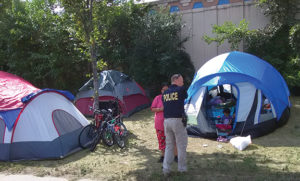
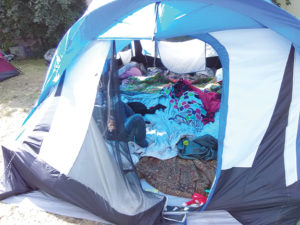
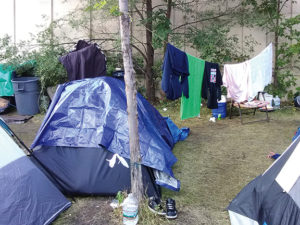
As the morning sun began to rise up and over Highway 55 in south Minneapolis, residents at the American Indian homeless camp on Franklin Avenue had already started their day. They cleaned and repaired their bicycles, folded their blankets, and zipped their tents shut. Residents began to huddle at the breakfast/donation table, today’s score: donuts, a small cup of coffee, and an assortment of various clothing items.
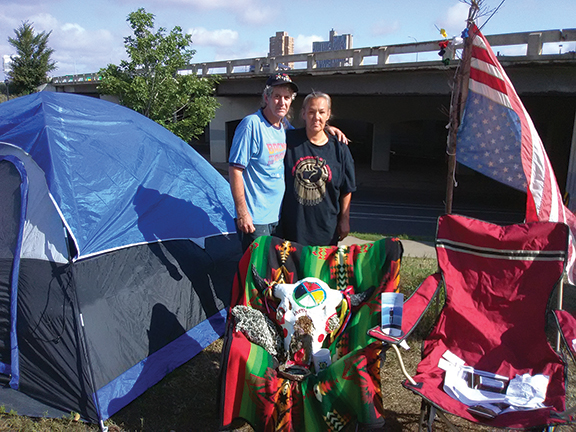
Tents and sleeping bags keep most campers from lying directly on the increasingly cold ground. “We gotta stay where we gotta stay. We’ve slept outside in the cold, in basements, behind dumpsters, in a closet inside a warehouse,” Angela Senogles-Bowen (Leech Lake Ojibwe) said of her and husband David Bowen’s previous winters. “We stay here and there,” she added.
With no affordable housing in Minneapolis and a fixed income of $750 a month, it seems nearly impossible to began imagining the upcoming cold season, or worse, relocating to rural Minnesota, hundreds of miles away from family. Instead, Senogles-Bowen chooses to stay positive. Being both a client and ambassador for Valhalla, a local addiction treatment center, Senogles-Bowen said she wants “people to be safe, [and know] there is a needle exchange out there. The methadone and suboxone program is open for them to go to.” Both Senogles-Bowen and David Bowen have saved six people from overdosing during the past year utilizing the Narcan lifesaver. Another one was beyond help.
Safety did not seem to be an issue at The Wall (the homeless encampment is being called The Wall of Forgotten Natives) thanks to local assistance from Natives Against Heroin (NAH), a volunteer run non-profit providing “outreach and security.
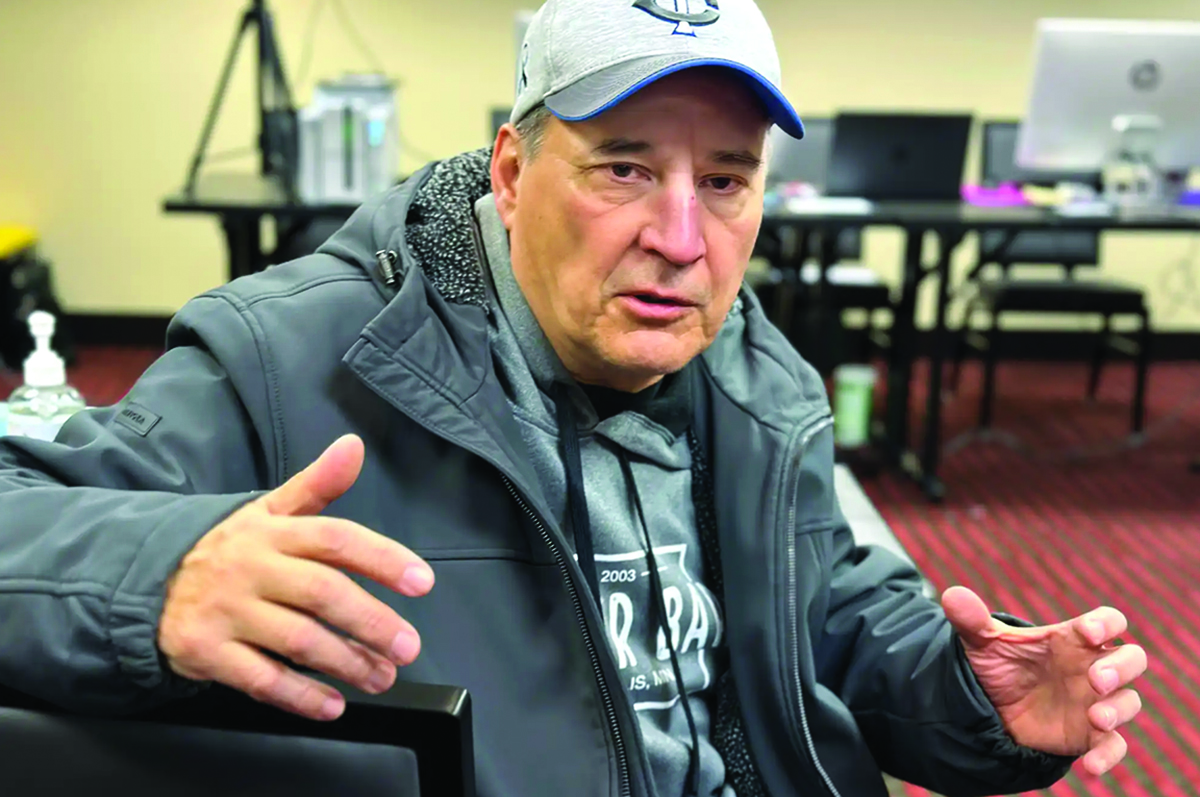
“[We] gather donations, have a drop site here, break up fights, run dope-dealers outta camp. This ain’t crack alley,” said Greg Franson (Lac LaCroix, Canada) a volunteer with NAH.
“We have at least one person on-site twenty-four-seven. Security has brought other people to camp” [for protection], said Franson. When asked what it is like to stay at camp, Senogles-Bowen said, “It’s like staying at a powwow with all your people. Everyone is sharing and giving.”
Volunteers bring fully prepared meals, including frybread, daily. Random visitors showed up with a tent, painters tarp, rope, and pull-ups that very morning. A police officer distributed fruit snacks to the children living in camp. Kateri Church provided the first outhouse.
“The bathroom is unsanitary. We walk to the store or library when one of the kids really gotta go,” said ‘Niecy’ a Red Lake woman who resides at The Wall with her husband and four children. Evictions (from inability to pay rent) are the reason Niecy and her family have been couch-hopping the past four years.
ore pressing than ever is the upcoming camp closing anticipated in late September. Franson presents a reasonable approach to help with this American Indian specific problem in Minneapolis. “Give us a vacant school. Allow us to turn it into a Native-American-run shelter. The only way [to help] is to bring our culture back: drum class, ability to smudge throughout the day, the pipe, the language,” Franson said.
With ninety-four tents currently erected and occupied, residents can only hope the 120 beds are made up by the end of September when the city will most certainly remove every tent. When asked about her plan for the upcoming winter, Niecy said, “Trying to get into shelter.”
A website with information on how to help has been set up by the Metropolitan Urban Indian Directors (MUID) at: www.franklinhiawathacamp.org. The website requests that donations not be dropped off at the camp, but instead be made through the various organizations listed on the website.
Ona Knoxsah, B.A. is an enrolled member of Prairie Band Potawatomi. She enjoys being around her fellow Natives, utilizing her talents to spread hope for Native women, and exploring Minneapolis with her children.